

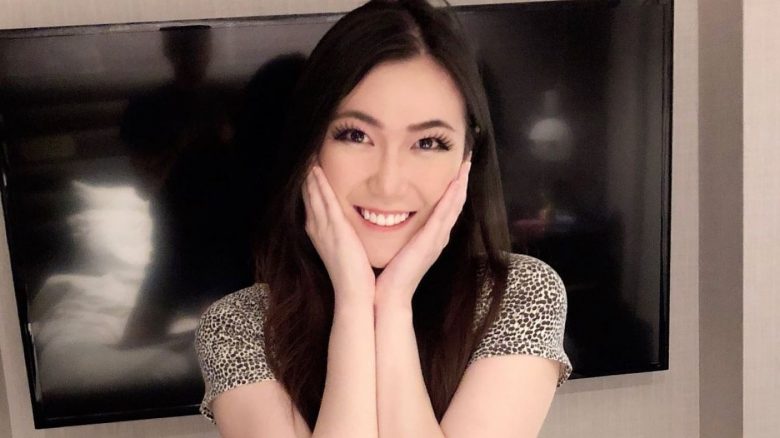
The Twitch streamer Rumay “Hafu” Wang (29) was already a professional player more than 10 years ago in World of Warcraft: In 2007, the environment for women was much worse than today, she says. A lot has changed since then and she is grateful for that.

Who is Hafu? Hafu is a Chinese American. She is known and has grown as a player and streamer of WoW and Hearthstone . She has also played a good role in the strategy game Teamfight Tactics.
She is a pioneer for women in gaming, streaming, and esports.
However, Hafu always struggled with being taken seriously as a “girl” and being laughed at by male streamers on Twitch. She has fought for recognition for years: sexism in gaming is a big issue for her.
In 2019 she once mentioned how much it bothers her that male streamers, even though they are clearly worse than her, are praised for their brilliant gameplay and skills, while it was said about her that she is only successful because she is a girl. She must have been carried. She never received recognition for her achievements.
When official statistics from Riot Games made it clear that Hafu was the top player in a test phase of Teamfight Tactics, it brought her to tears, because it now clearly stated what she knows and what many doubt: She is truly a good gamer.
Back then she said it was “pretty hard for girls to get respect – in gaming and in general.”
WoW team was called “Gonna rape Hafu at Regionals”
This is what she says now: In a stream, Hafu talks about how gaming was for a woman around 2007. She was 17 years old and a professional player of WoW. She says there was a team that qualified in the official Blizzard tournament realm, with an unbelievable name.
The team was called “Gonna Rape Hafu at Regionals” – meaning “We will rape Hafu at the regionals.”
The drastic word “rape” is used here like a “normal word”, in the sense of “to beat”.
Hafu says:
“And they made it! They qualified. That was the eternal mindset in gaming at that time: The entire community had this mindset and so much has changed in the last 10 years.”
Hafu
What bothered Hafu was not that a team named themselves that, but that it was apparently okay for everyone.
Hafu now says that the attitude in gaming towards women has changed significantly, and she hopes it continues like this in the future.
There is a change in games and around them
This is what it’s about: In fact, many gaming companies have changed their thinking in the last 10 years. Apparently, women in gaming were often treated as “decorative accessories” or had a special role that prevented them from being seen as equals. The target audience was clearly young men.
This change in the perception of women and the criticism of the previous view is also reflected in many cases in public perception:
- Companies that were said to have a “sexist macho culture” have faced heavy backlash. Leading the way are Riot Games (LoL) and most recently Ubisoft
- on Twitch, sexist remarks are being monitored and punished – especially in the last months, there has been a real movement similar to #MeToo in the film sector
- also in the games themselves, the depiction of women has changed significantly. Studios are now publicly criticized for depicting women as “overly sexualized”
Someone like Hafu, who has been in the business forever and is confronted with the image of women, notices this change clearly. And it seems to please her.
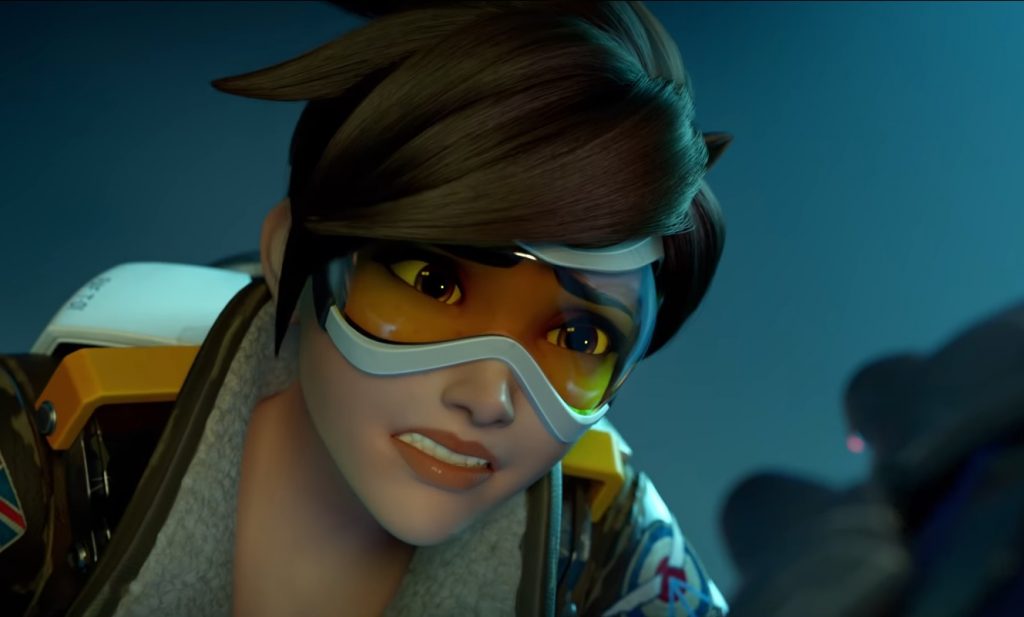
At Blizzard, the change in the portrayal of women is most evident in Overwatch (2016). Compared to earlier Blizzard titles, the women here are more diverse and less sexualized.
Chris Metzen says he was once asked by his daughter during a WoW cinematic: “Daddy, why are they all wearing swimsuits?” He had no answer for that.
That was probably a turning point for Blizzard and the developers there. In Overwatch, they decided to portray women differently than in previous years:
Blizzard does not want to sexualize heroines so much

Your opinion is important to us!
Do you like the article? Then let us know!