

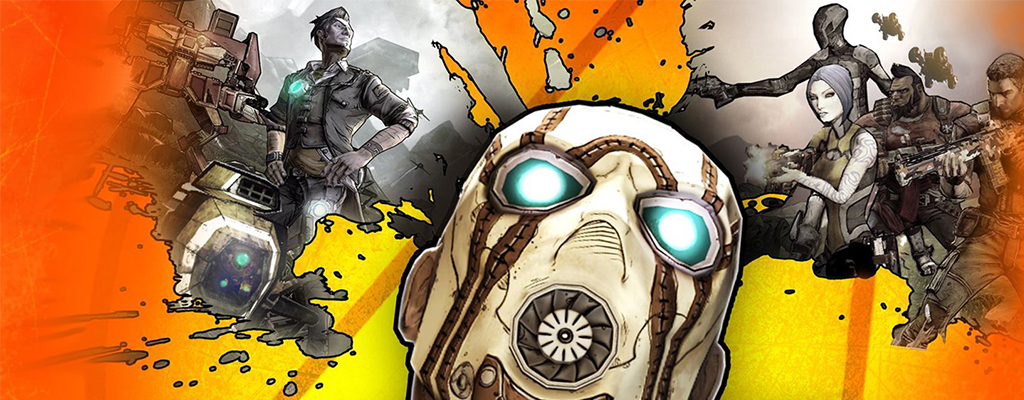
It seems that it will finally happen soon: the announcement of Borderlands 3. However, several years have passed since the last installment. Mechanisms such as the games-as-a-service approach, sophisticated microtransactions, and refined online features have become the norm. Should the new installment utilize these mechanisms or stick to its roots? An analysis.

When is Borderlands 3 expected to be announced? It is said to happen on March 28, 2019. If the teasers and hints from Gearbox CEO Randy Pitchford are to be believed, Borderlands 3 will be announced during PAX East on Thursday evening. Numerous fans (myself included) are looking forward to this date.
It has been four and a half years since the last game, Borderlands: The Pre-Sequel. Moreover, the title was originally not even released for the PlayStation 4. It wasn’t until a year later that Borderlands 2 and the Pre-Sequel were released for the PS4 as part of the Handsome Collection.
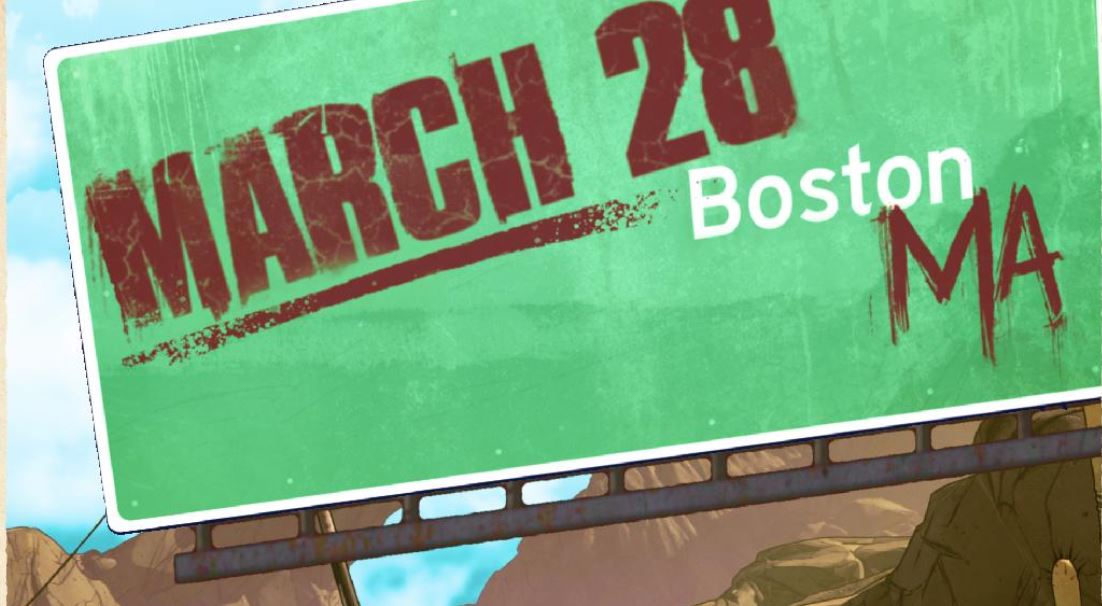
Since 2015, there has been more or less silence, interrupted only by sporadic tweets from Pitchford. However, it now seems that the time has finally come.
Time to take a look at the possible features that Borderlands 3 could bring. The world has turned, and new mechanisms have been established.
What has changed in the world of online shooters since the last Borderlands? Many players wonder whether Borderlands 3 will carry the unmistakable DNA of the series, or will take cues from mechanisms that have increasingly become standard in recent years:
- Games-as-a-service (GaaS) – Players are expected to be engaged with a game for a long time, with the game world, story, and character progression continually evolving. Examples include titles like Destiny, The Division, or Anthem.
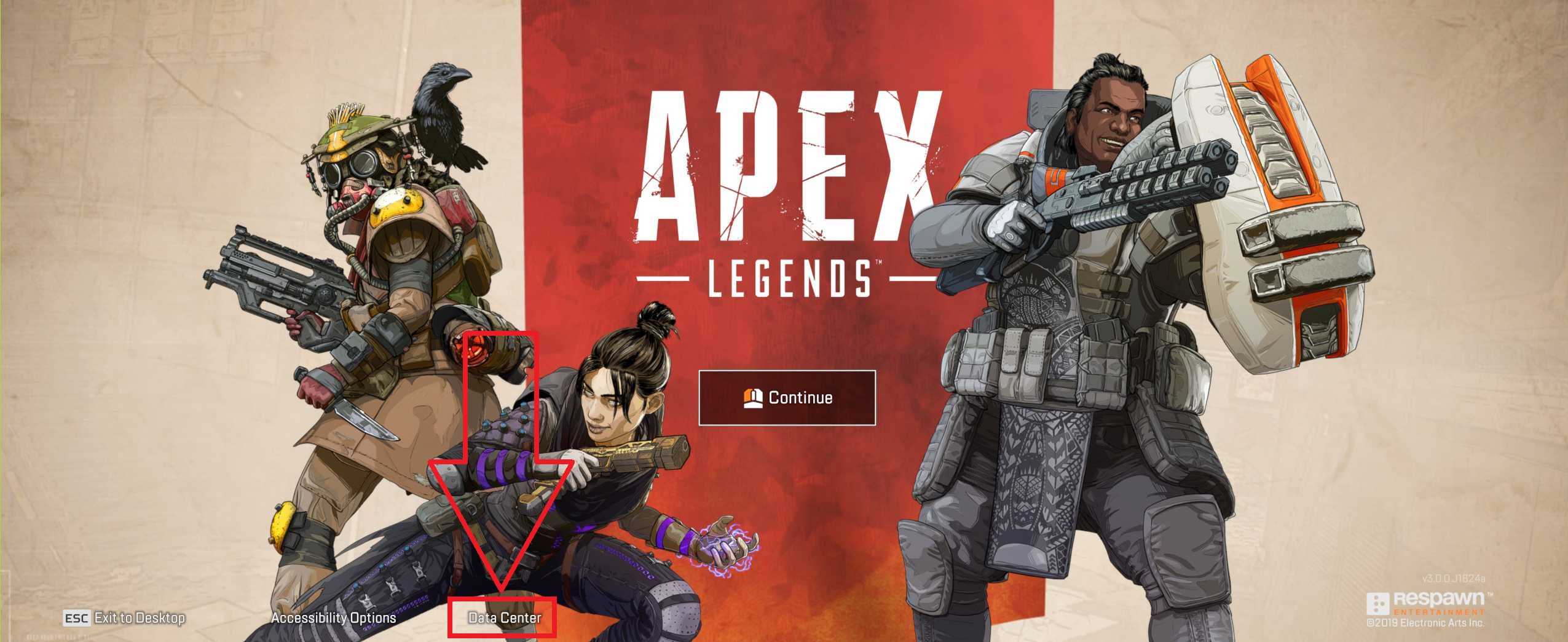
- Battle Royale – Following the huge success of PUBG, Fortnite, and more recently Apex Legends, developers are increasingly inclined to equip established franchises with a battle royale mode (Call of Duty, Battlefield).
- Microtransactions – To operate games for years, new revenue streams are created using cosmetic items that can be purchased with real money. These are not intended to provide a real advantage but often focus on aesthetic aspects like skins, colors, etc.
- “Free” DLCs – Paid expansions, which were common in Borderlands 2, are becoming a thing of the past. Developers say that DLCs fragment the player base. This is particularly detrimental in a long-lived online game, where it is essential that all players can play together.
Should Borderlands 3 use these “features” to be successful?
What makes Borderlands so unique? The Borderlands series is considered by many to be the epitome of loot shooters.
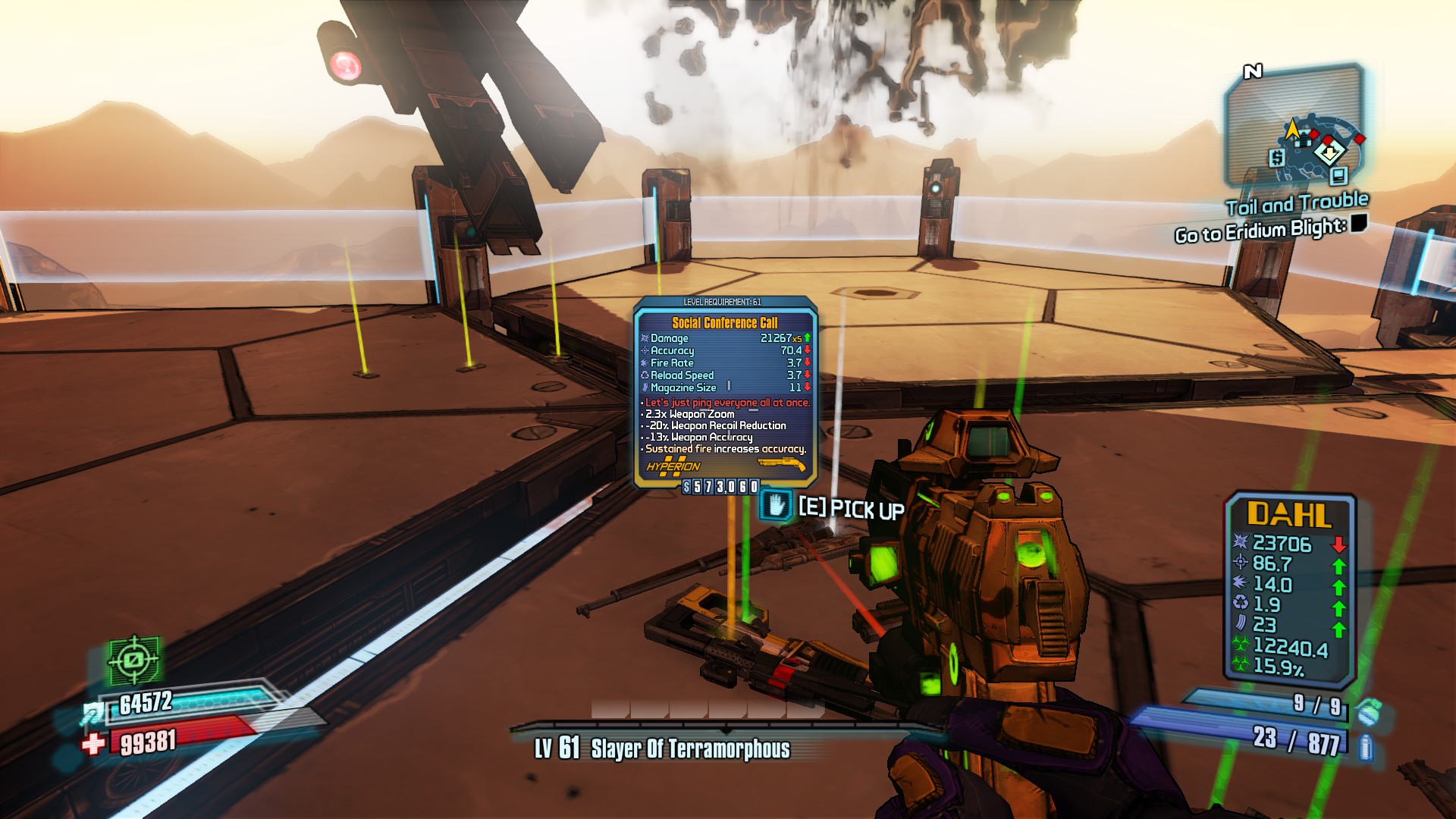
Defeated boss enemies would literally rain loot down on players. For me, exploring the loot after defeating a raid boss was the highlight in Borderlands.
But it’s not just the diversity of loot, but also the RPG aspects, the story, and the bizarre characters that still remain highlights for many.
I was particularly fascinated by the expansions that continually developed Borderlands 2.
“Mr. Torgue’s Campaign of Carnage” and “Tiny Tina’s Assault on Dragon Keep” are two of my favorite DLCs of all time, as they combined a crazy story with a fresh setting (Dungeons & Dragons).

Can Borderlands even work if it adopts modern mechanics? I claim no. The live-game approach is often cited as an argument for the long-term motivation of a title.
In fact, Borderlands 2 already had countless mechanisms that kept me engaged for a long time:
- Weapon Rolls – Almost every parameter of a weapon in Borderlands 2 was random, from the stock to the scope and the statistics. The hunt for the perfect roll kept me engaged for a long time. Luckily, there was a feature that I have missed in nearly every game after Borderlands, namely
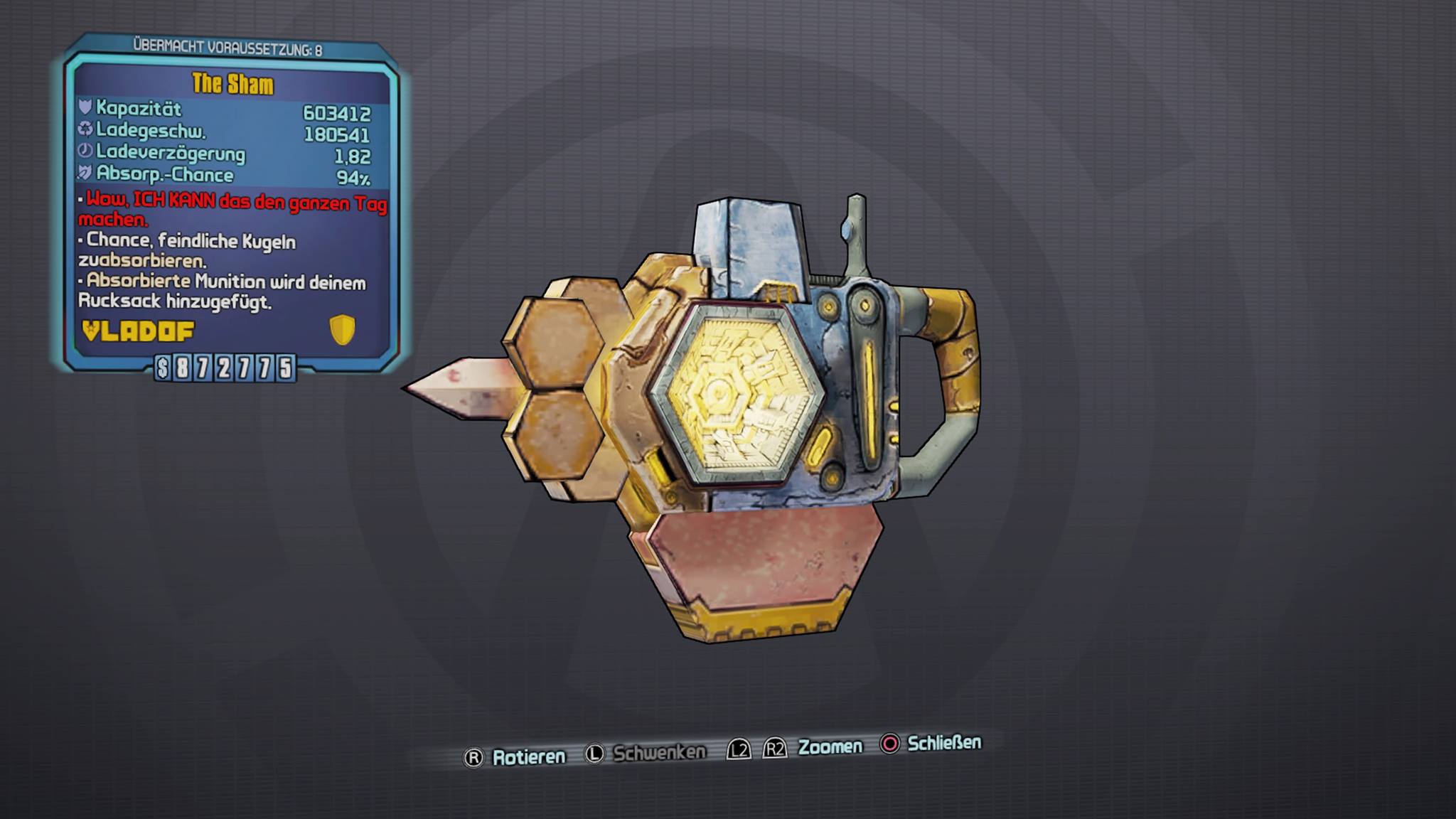
- Boss-specific Loot – Each boss dropped a different legendary item. One of my favorite features, which was only later picked up sporadically by other games (for example, Omnigul in Destiny). Even if it sounds strange, I loved farming the bunker for hours to get the perfect Sham shield with 94% damage absorption.
- Badass Ranks – Similar to the Paragon system from Diablo 3, Badass Ranks allowed many parameters like health or shield rate to be further enhanced. Since the system was tied to challenges, a variable playstyle was rewarded. For me, the Badass system is still unmatched and a fantastic motivation to keep playing even after reaching the maximum level. The catch: Badass Ranks were account-wide, benefiting every character equally.
- Overpower Difficulty – If the hardest difficulty became too easy, players could further increase the difficulty through OP Ranks and find new equipment designed for that. Up to 8 of these ranks existed in Borderlands 2.
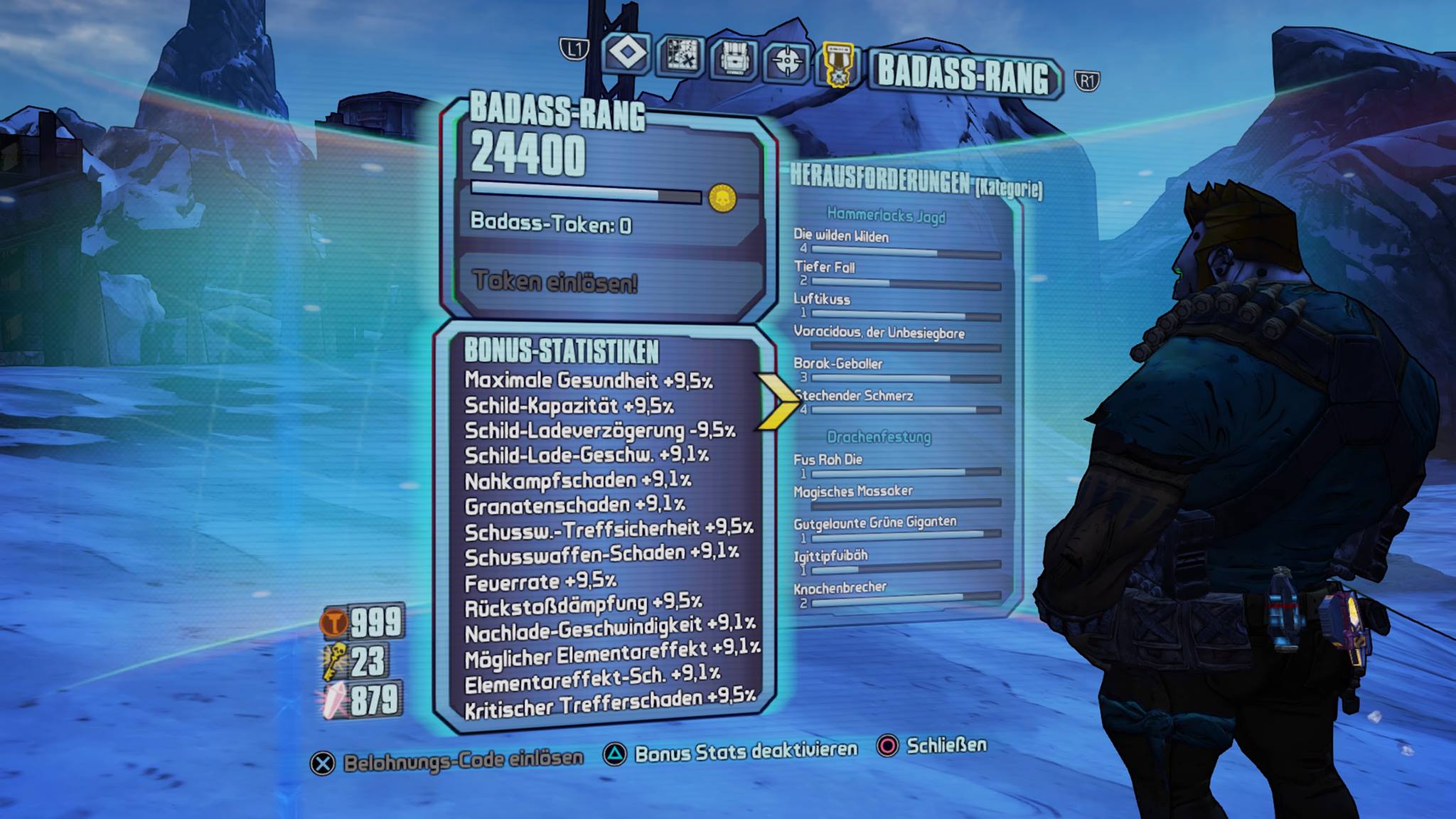
Specifically, Borderlands 2 proved to me that there is no need for elaborate psychological models to keep players engaged with a game for a long time. Sometimes, even 17.8 million possible weapon combinations (Borderlands 2) are enough to keep players busy.
When it comes to story, Borderlands should not orient itself towards the competition: At least it seems that the service approach primarily suffers from the story.
Developers go to great lengths to shape the gameplay and mechanics so that players remain engaged for as long as possible, often at the expense of an exciting story, as particularly Destiny has vividly demonstrated.
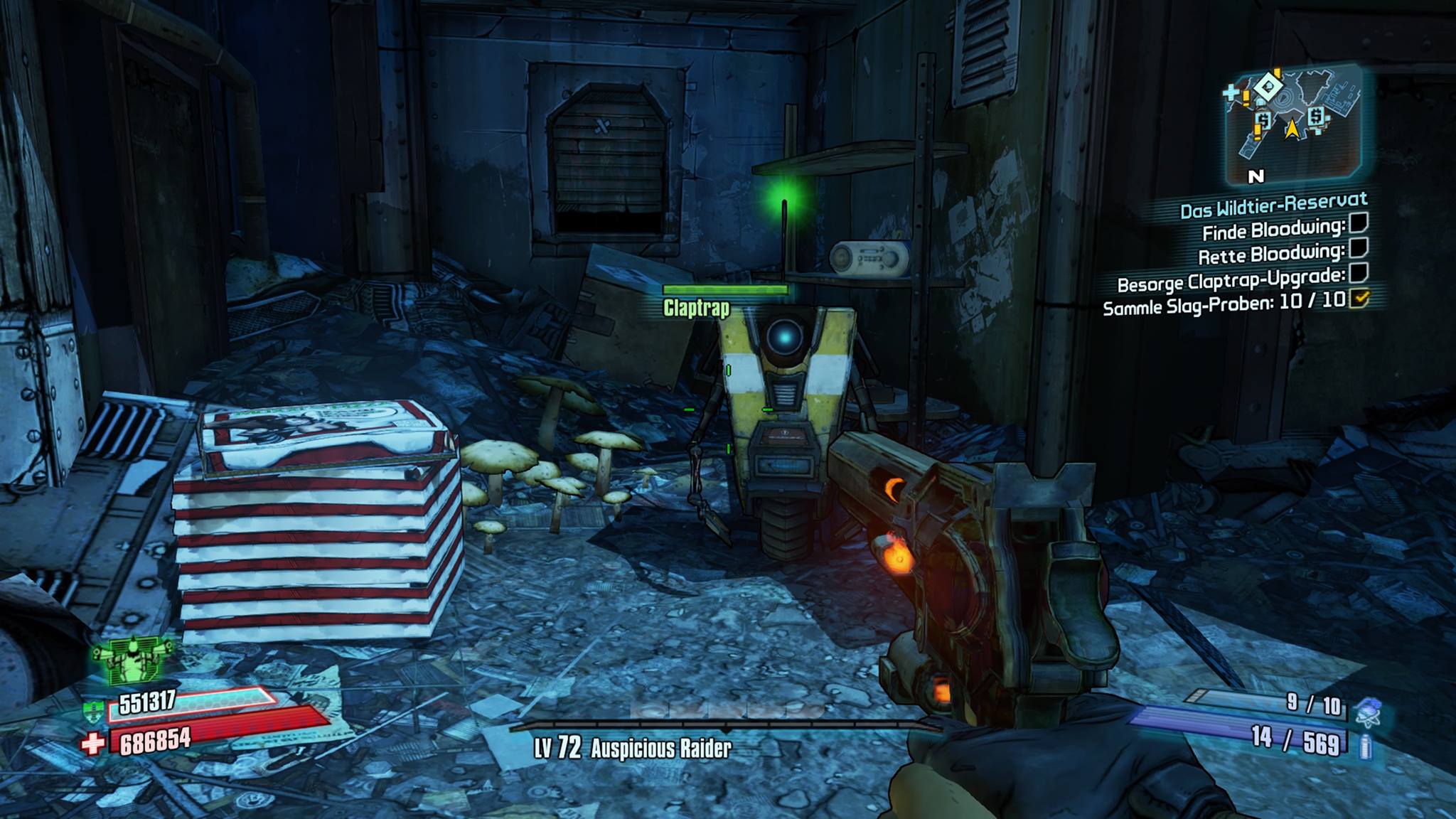
Borderlands has never taken itself too seriously. This is evidenced not only by the brightly colored graphics in cell-shaded style but also by the crazy dialogues and the sarcastic comments from the countless villains. It’s exciting to see that such features would present a refreshing contrast to the more serious narrative themes of the competition today.
Games like Destiny, The Division, and Anthem are driven by the need to present players with a story that sounds significant but often turns out to be flat and one-dimensional upon closer inspection. Not even bombastic cutscenes change this. With every cringeworthy dialogue, the developer screams in my ear, “We have no story, but here’s loot!”.
This is admittedly somewhat exaggerated, but I think: It’s time for a contrast program. Borderlands has never flirted with the idea of players taking on the role of world savior. Instead, it has always been about the loot, which defines the role of the Vault Hunter.
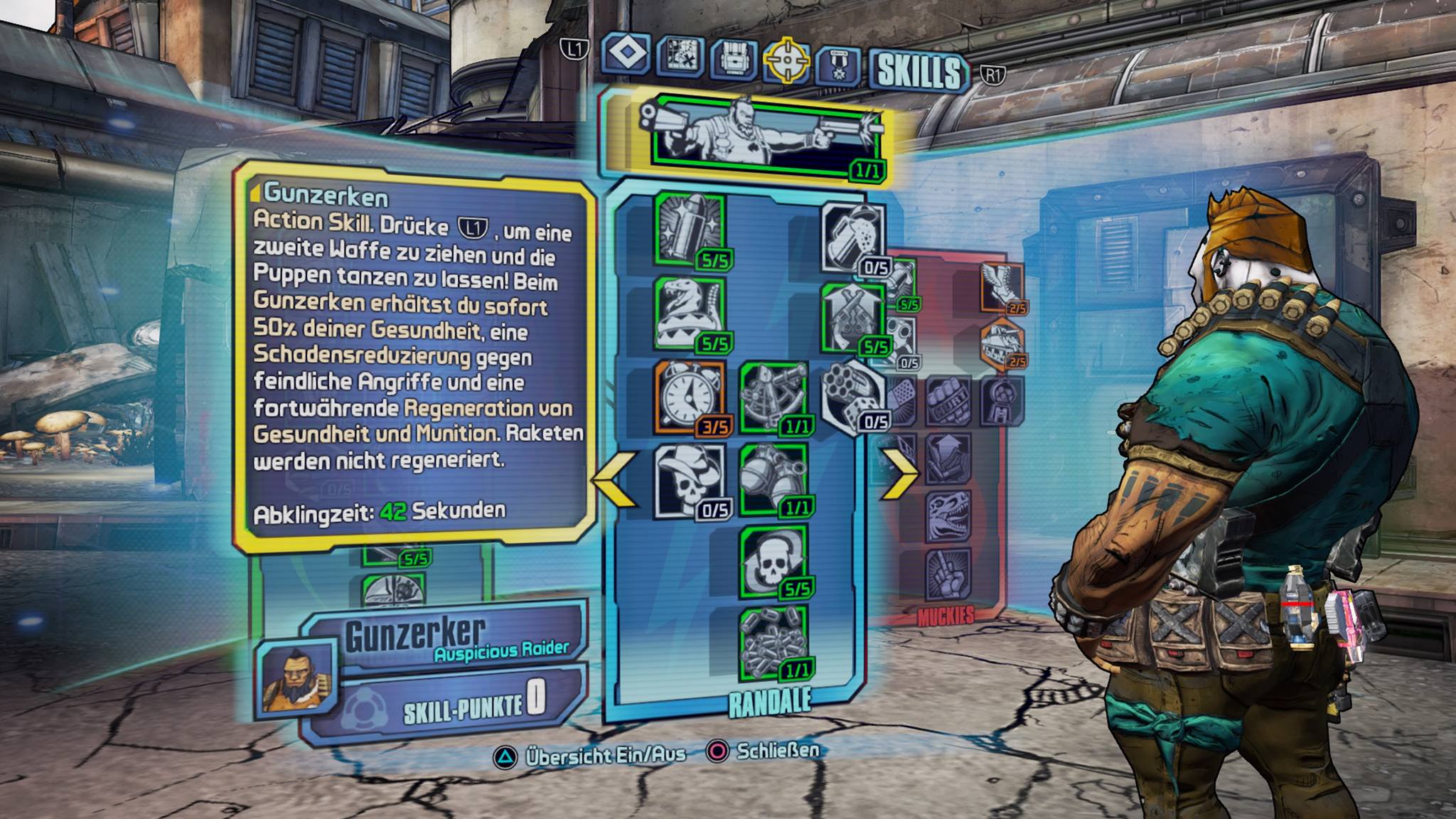
What about battle royale? Does Borderlands need that? Battle royale simultaneously means giving the game a component that would necessitate complex balancing. Because wherever players are allowed to compete against each other, a level playing field must be established.
While it was already possible to challenge other players in Borderlands 2, it was a negligible feature that I don’t believe belonged there. When people compete against people, various interactions must be considered, which Gearbox has thus far impressively ignored.
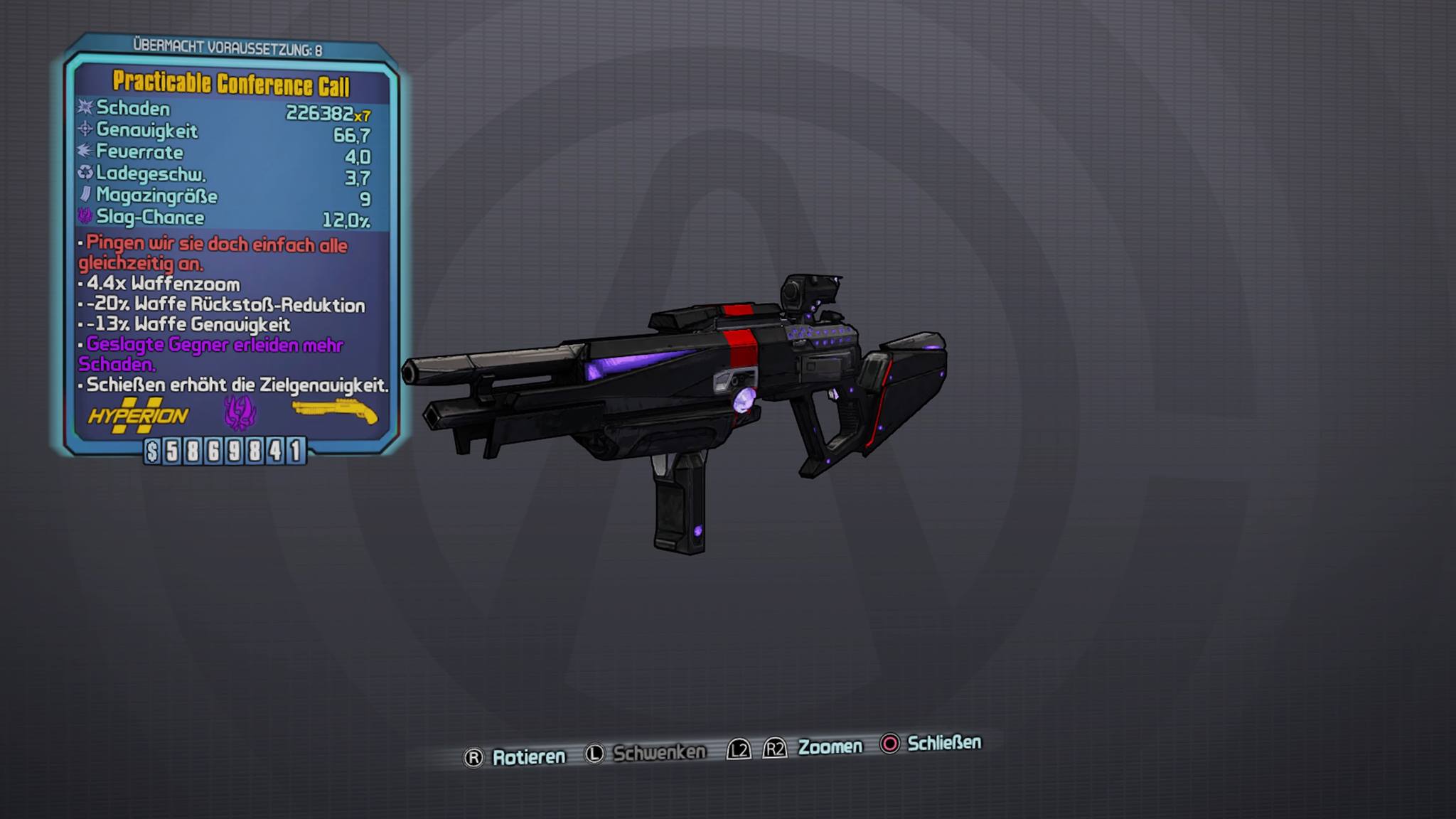
In fact, I never had a game in my hands after Borderlands 2 that was this broken in terms of balance. Although Gearbox intervened with extreme outliers like the legendary shotgun Conference Call, they otherwise left players free rein. This led to completely absurd weapon and ability combinations that also had a lot of fun (and were mandatory in the higher difficulty levels).
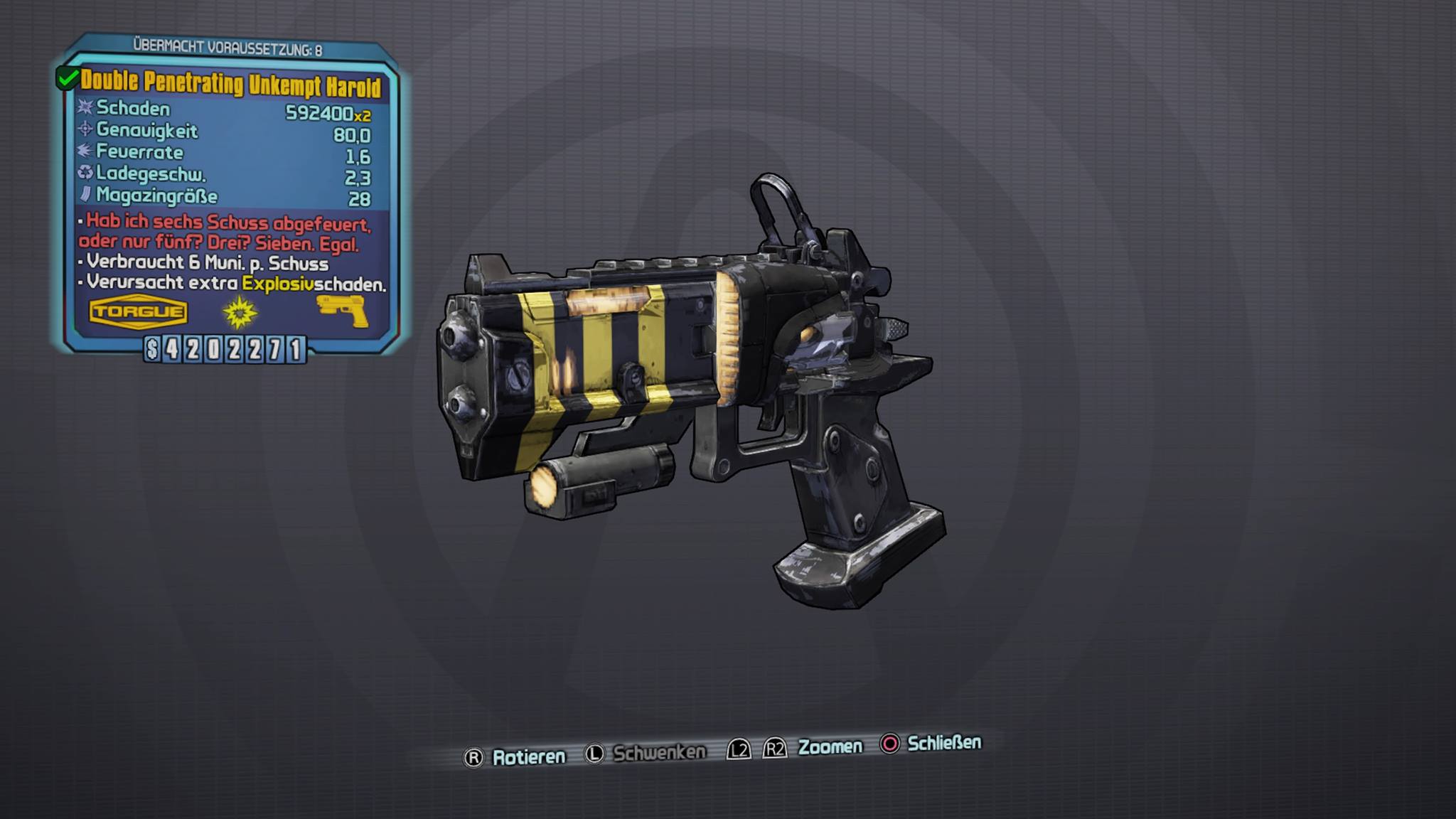
Handguns like the Double Penetrating Unkempt Harold or a Pimpernel combined with a slag weapon sent bosses to oblivion so quickly that the corresponding health bar couldn’t even be fully visible.
If Borderlands were to introduce a competitive aspect in the third installment, it would be the end of this fun. No completely broken abilities anymore, only nuanced uniformity. For me personally, this doesn’t sound like an appealing scenario.
What about expansions? They should be free, right? In the case of a GaaS approach, free story expansions are certainly sensible to ensure all players are on the same level. However, if Borderlands 3 does not jump on this bandwagon, the “old-fashioned” distribution of regular expansions could be a valid means.
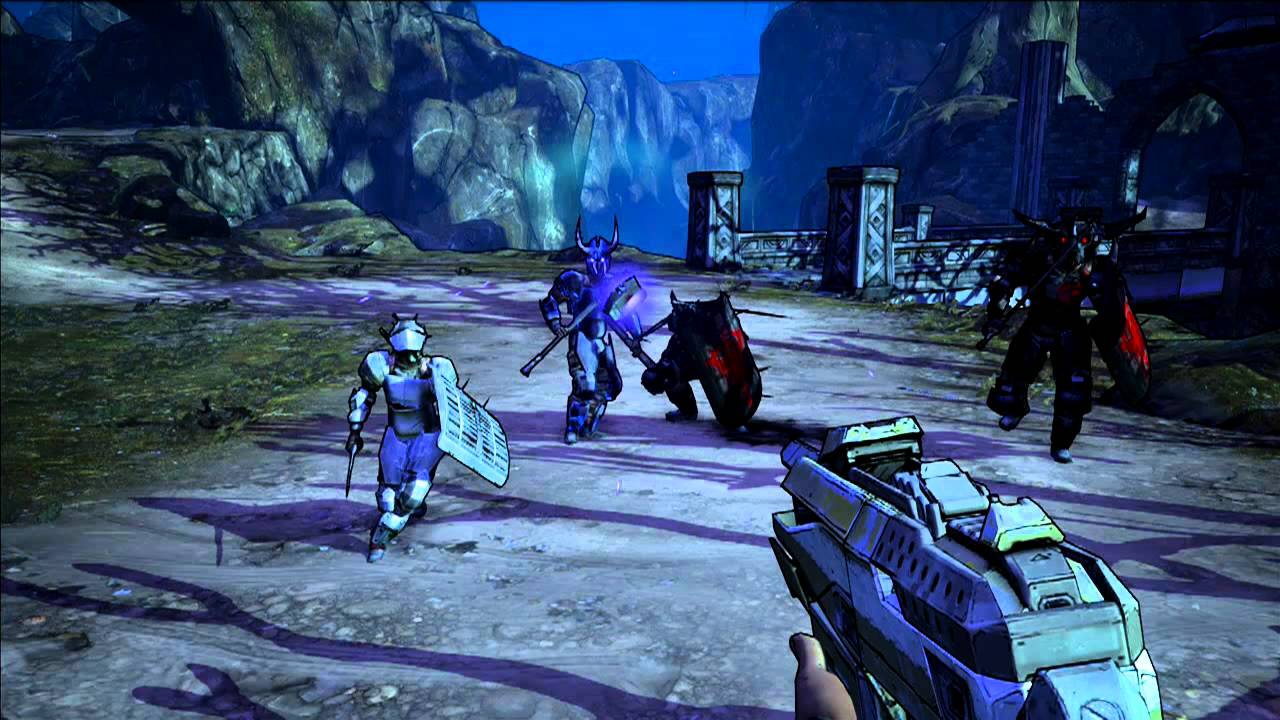
The key to the success of such expansions is nothing other than quality. An aspect in which I have high hopes for Gearbox. Should the developer manage to deliver expansions that are just as fresh and entertaining as Mr. Torgue’s tirades, I wouldn’t worry about long-term motivation.
Cosmetic Items and Microtransactions – a necessary evil? If Gearbox offers classic expansions, at least theoretically there is no need for microtransactions, which are often cited as an argument for free content. However, if there are cosmetic items for real money, there are indeed applications for them:
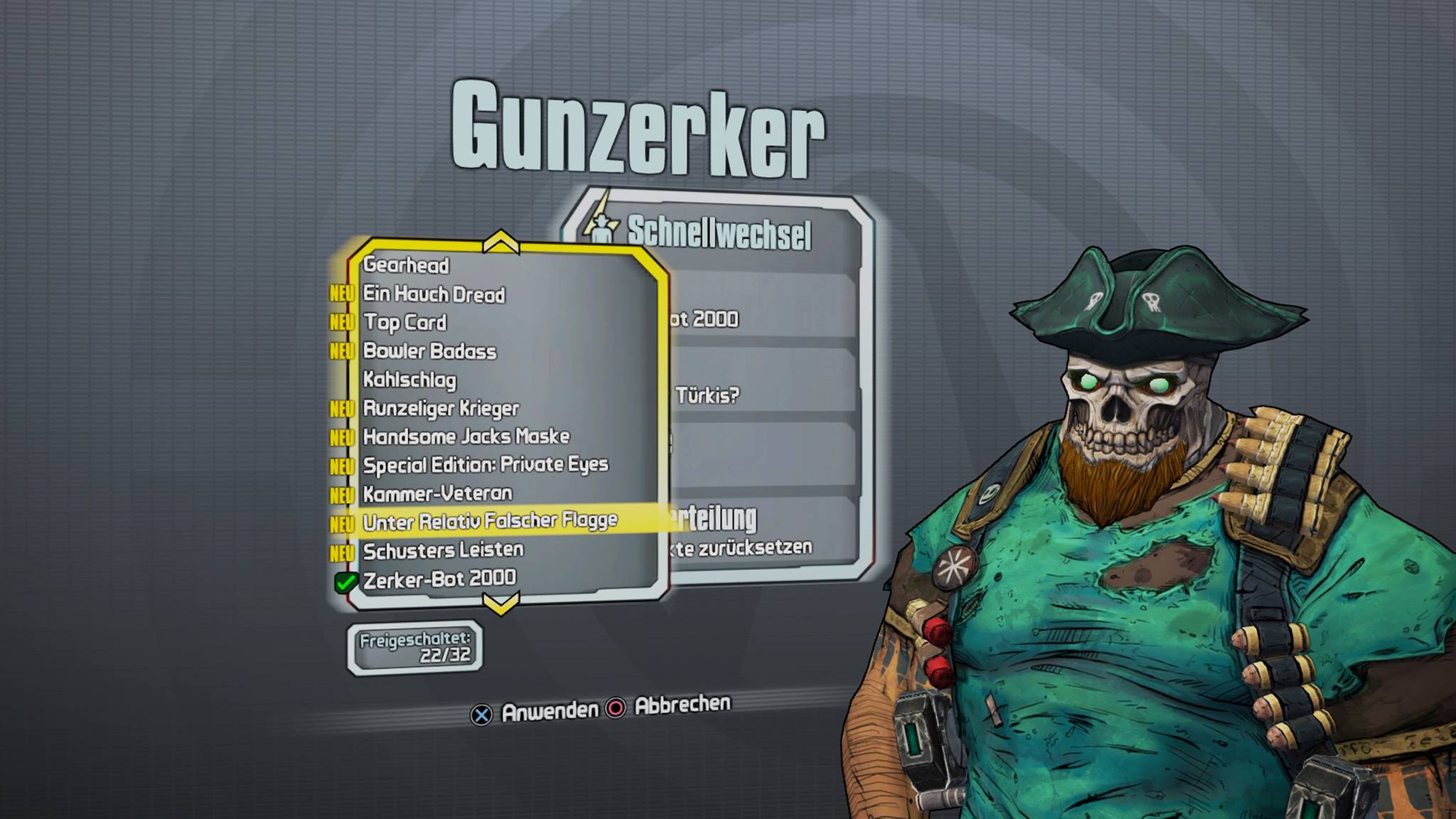
- Skins, which were already present in Borderlands 2 and gave characters a different appearance.
- Skins for vehicles and weapons, as well as
- Customizable companions.
The utopian in me wishes for a certain compensation in the form of free content. I am curious about what plans Gearbox and 2K will pursue.
Do not misunderstand me here. While I consider many current trends to be inapplicable to an upcoming Borderlands, that does not mean that Borderlands 2 or the Pre-Sequel were perfect. There is definitely room for improvement.
These mistakes from the old Borderlands entries should not be repeated in the new installment: Although I had a lot of fun in the world of Pandora and its moon Elpis, the lack of game balance and particularly resource management sometimes caused me to shake my head. The following aspects stood out to me:
- Those who died had to pay for their resurrection. However, this was not an absolute amount but always a percentage of the total wealth. This theoretically led to the desire to possess as little money as possible to make respawning as cheap as possible.
- The mechanic of refilling ammunition via corresponding terminals was simply annoying. Enemies should drop enough ammunition to cover one’s needs.
- Money generally played a subordinate role in the old Borderlands entries. Gearbox could create further applications here.
- The duping of credits and equipment should not be possible. This was far too easy and, above all, worthwhile in the older installments. Trading? Yes! Duplication? No!
- The coop system and online components were functional but quite rudimentary. There are undoubtedly comfort improvements that can be implemented, which were missing in the older titles. For instance, there was no scaling (adjusting the difficulty of enemies), and different progress was a problem, as it wasn’t transparently visible to all players.
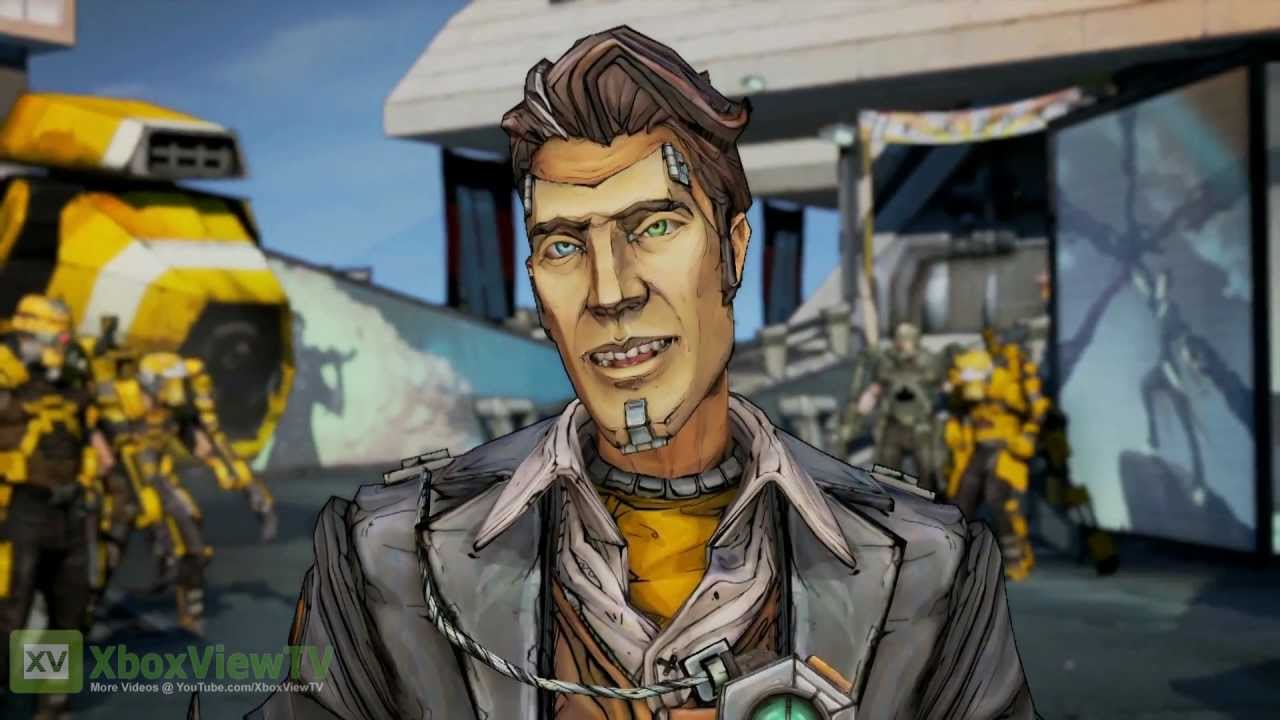
Admittedly, this is complaining on a high level. I literally want to wade through loot, hear bold quotes, and try out crazy weapon and ability combinations. Give me the full package of Borderlands (and Claptrap), and you will make me happy! It’s actually quite simple, isn’t it?
What do you think? Do you agree, or do you wish for something entirely different?


Your opinion is important to us!
Do you like the article? Then let us know!