

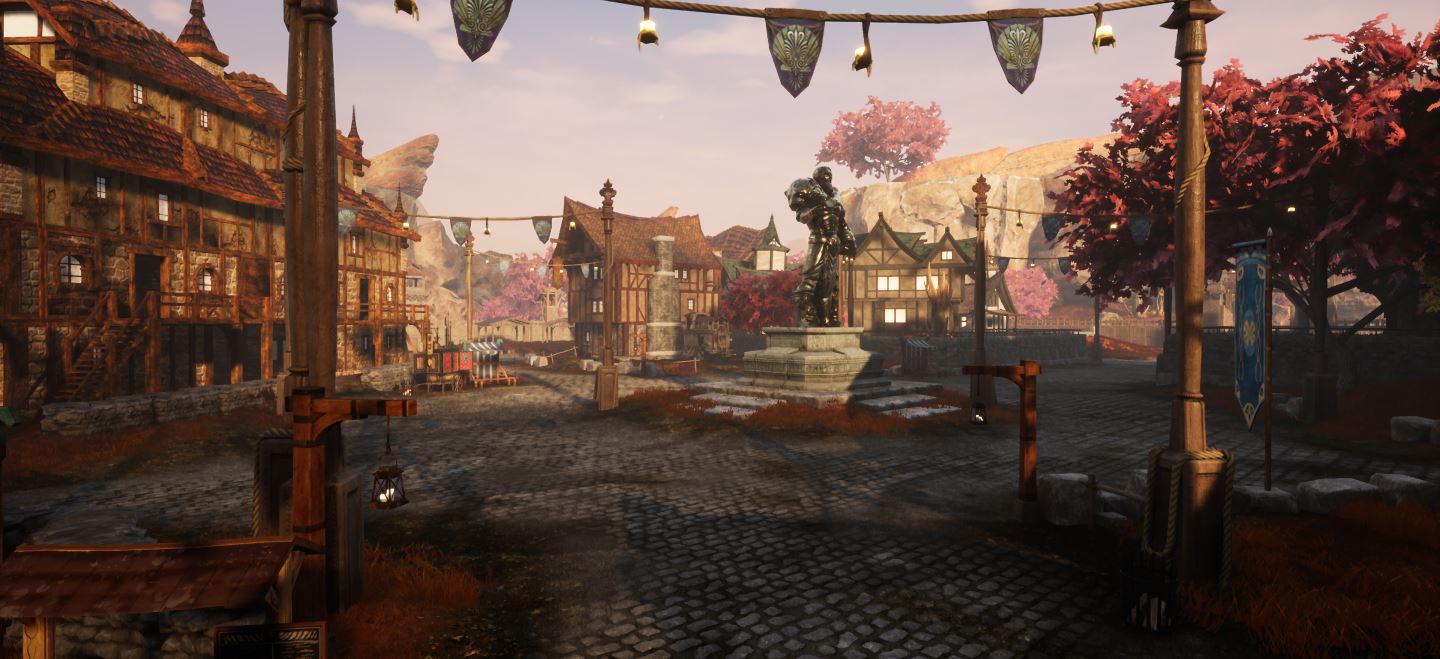
Ashes of Creation will not only offer classic MMORPG elements but also innovations. This includes the Node system, which we discussed with the developers at gamescom.
The upcoming MMORPG Ashes of Creation aims to bring fresh air to the genre. How this will happen was revealed by Steven Sharif and Lead Designer Jeffrey Bard from Intrepid Studios in the gamescom interview.
Node System Leads to Dynamic Worlds
Node System Makes the Game World Dynamic: In a typical MMORPG, players visit a city, check in with quest givers, and complete quests before moving on to the next area, essentially starting over. The Node system brings more dynamism to Ashes of Creation to the mix. Depending on what players are doing, this affects what quests they receive, which NPCs they interact with, and how a city develops.
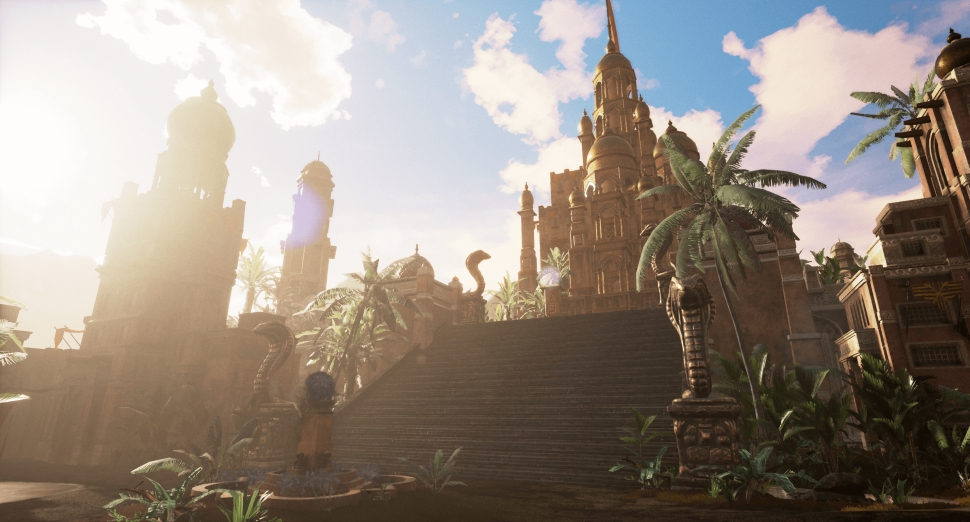
What is a Node? Nodes are (invisible) points that are distributed throughout the game world. Each Node has an enclosed gameplay area in which the actions of players affect the Node.
- If a player earns EXP in the Node area, the Node records this process
- Nodes behave similarly to a character or a specific class in the game. They have specific attributes and level up as well
- The EXP players earn in the Node area is credited to the Node
- If a Node has collected enough EXP, it levels up and progresses to the first phase. What this phase looks like depends on which player class and which race has accumulated the most EXP
- If most players in the area are Elves, then the city that is slowly forming will have Elvish architecture
- Players have limited influence over the Nodes – it is, among other things, possible to own land and develop it themselves
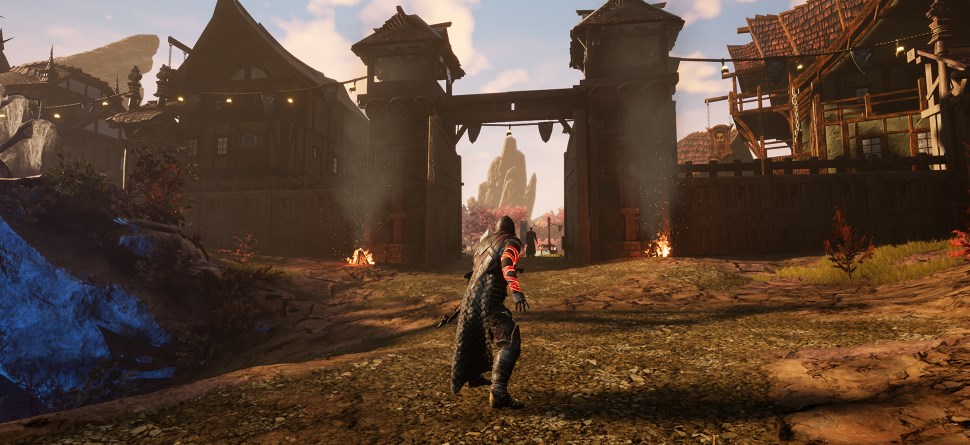
Like a Class in an MMORPG: There are different attributes to choose from to specialize an area. Depending on the tree and the distribution of certain “skill points”, an area develops in one direction or another. The area levels up in real-time by permanently claiming these points. At level 6, you reach the maximum level.
And PvP can even lead to a Node losing levels or being completely destroyed. After that, theoretically, other Nodes can emerge. PvE creates the world, while PvP changes it:
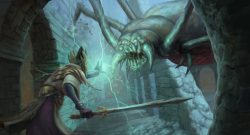
Nodes are responsible for the development of the gameplay area: If a Node develops, it affects the gameplay area and the players within it.
- Tents emerge and NPCs appear who have quests for the players
- These quests build on one another and expand continuously
- New monsters appear, which can also be tied to the players’ actions: those who have built a fishing village, focus on the economy, but fish too excessively might spawn sea monsters
- From tents, a village emerges, and then a city
The more players participate in a Node, the faster it develops. Politics also plays a role here:
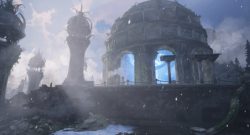
Nodes Create Unique Player Experiences
Nodes have six phases: Due to the changing gameplay area, new possibilities arise for the player. These new actions then affect the Node, which continues to level up. There are six stages in which a Node can develop:
- Crossroads
- Camp
- Village
- City
- Metropolis
- Metropolis
All phases offer new possibilities for the player, including new NPCs and quests. All of this depends on which class and race the majority of players belong to. If, for example, an Elvish city has developed, then you will experience an Elvish questline.
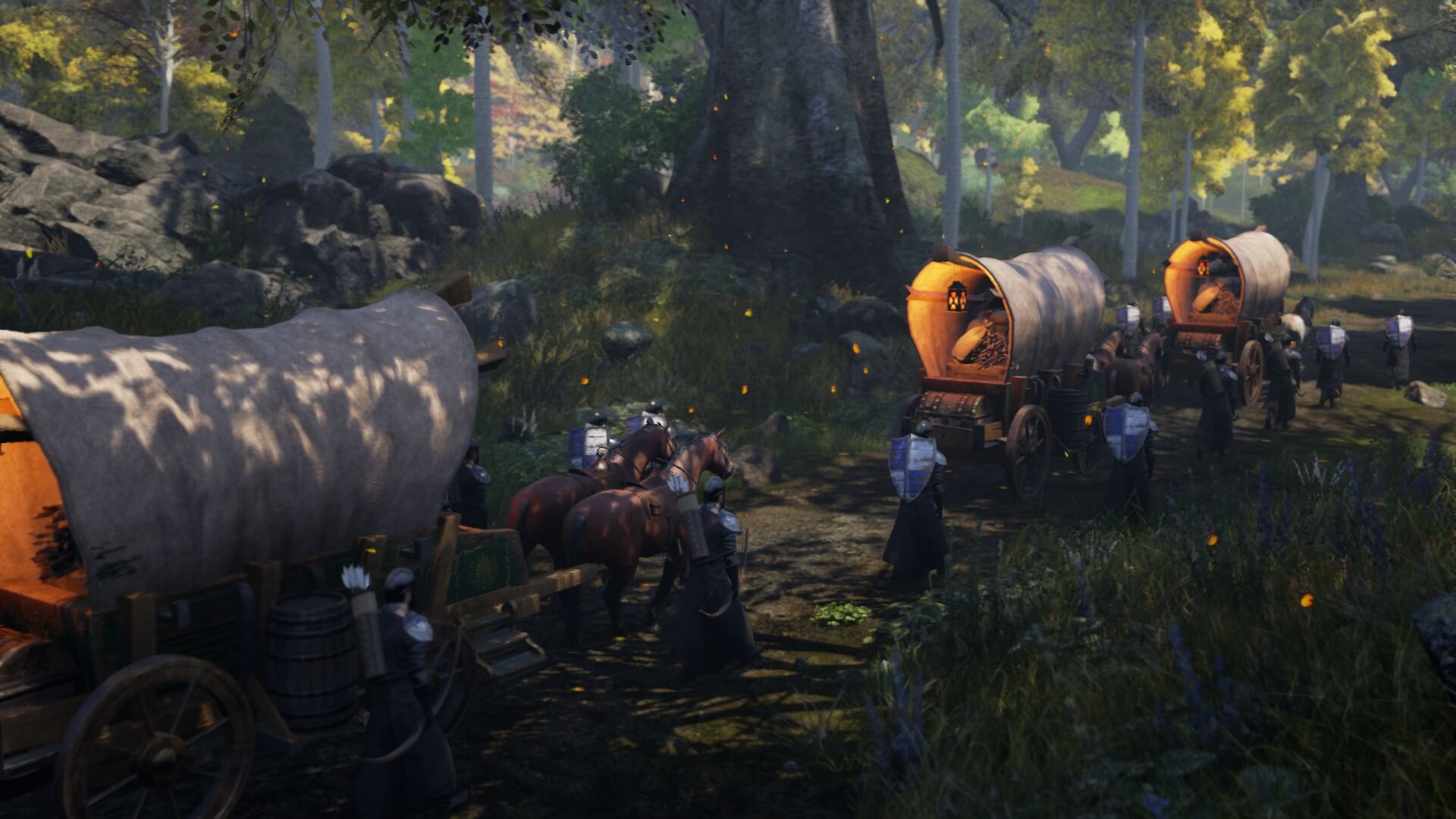
There should be no repetitions: The Nodes in the game world possess a kind of “intelligence”, which ensures that the adventures you experience are different even if the Nodes have developed similarly.
If there are two Elven Nodes, then you will receive quests there that unfold differently. Once you need to find a kidnapped princess in a dungeon, and once in a mysterious lighthouse. You will find the evil bandits in one Node in the woods, and in the other, in the mountains. This is intended to make the quests feel dynamic and different.
Furthermore, the complexity and the various factors that contribute to the development of a Node mean that certain quests cannot even “form”. In addition, the Node that is in a higher phase determines how far the surrounding Nodes can develop.
The whole system is also designed to ensure that the worlds on each server develop differently, thus providing unique player experiences.

Your opinion is important to us!
Do you like the article? Then let us know!