


Why did Blizzard actually decline? Journalist Jason Schreier finds the answer after 300 insider interviews: The MMORPG World of Warcraft is to blame.

For many years, Blizzard was regarded as an unshakeable giant in producing good, polished games. The developers could hardly do anything wrong, and every game that hit the market was essentially a success.
The change of this myth became apparent with the major scandals of recent years. However, the trigger for this was basically the success of World of Warcraft. This is claimed by journalist Jason Schreier, who has spoken with over 300 former and current employees of Blizzard.
The current WoW expansion is doing quite well:
Who is speaking? On the site The Atlantic, Jason Schreier discusses the incidents of Blizzard. Schreier has maintained good contacts with Blizzard employees for many years and claims to have conducted over 300 interviews to write his book “Play Nice – The Rise, Fall and Future of Blizzard Entertainment.” To promote his book, he discusses various aspects of it in many articles.
Blizzard was a pioneer of the internet with Battle.net, riding the right trend
What did he say? When Blizzard was founded in 1991 by Allen Adham and Mike Morhaime, the world was a different place. The internet was barely widespread, and one of the most popular games back then was still Tetris. When Warcraft II was released in 1995, only 10% of Americans were regularly online, yet Blizzard focused on internet gaming.
With World of Warcraft, this strategy paid off completely. The online role-playing game not only became a success but also a mega-hit – a phenomenon that had never been seen before in this scale. By 2010, the number of subscribers in WoW rose to over 12 million.
This massive increase meant that Blizzard had to make many changes:
- A lot of support staff were hired.
- But much more significantly: Developers from other teams were reassigned to work on World of Warcraft to ensure a continuous stream of new content.
- This led to other projects being completely shelved and never released.
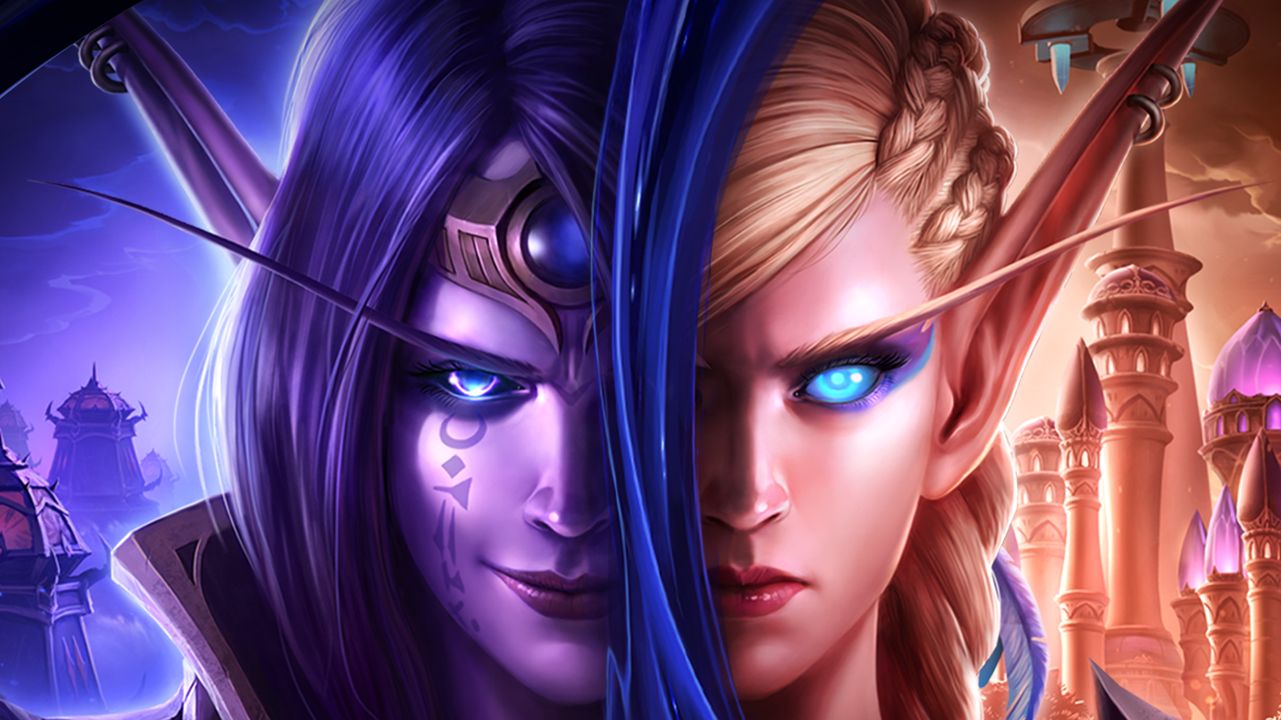
WoW developers became arrogant, pulling others teams away
Another problem with the success of World of Warcraft was that some developers became arrogant, causing discontent within the company. WoW developers would sarcastically tell their colleagues in other teams that “they would cover the salaries of others” – simply because WoW was such a success that it essentially carried the whole company Blizzard.
Blizzard then failed due to its own ambitions. With Titan, they wanted to create a game that could rival World of Warcraft and pave the way for the future. However, surpassing one of the most lucrative games of all time was difficult, hence Titan was overloaded with ideas that “didn’t feel coherent” – shooting and driving like in “GTA”, but also building houses like in “The Sims”. After 7 years and 80 million US dollars, Titan was eventually canceled.
After the failure of Titan, the Activision CEO tightened the reins
This cancellation of Titan led to Activision’s CEO Bobby Kotick taking greater influence over Blizzard:
In the early days, Blizzard’s philosophy was that they made great games, and the money would come by itself. Now this logic was reversed.
That this didn’t go so well, we all know by now. Several failed projects, disappointing expansions for WoW, poor planning for Overwatch, and broken promises with its successor Overwatch 2. Many developers left.
How is Blizzard doing currently? In recent years, Blizzard has not been doing particularly well. Numerous scandals surrounding sexism, discrimination, and even threats shook the company. In the past few years, many layoffs have occurred, and some teams have been completely downsized. Games like “Warcraft III: Reforged” have flopped, Diablo: Immortal is considered the worst Pay-to-Win hell, and Warcraft Rumble leads rather a niche existence. Additionally, Activision Blizzard was acquired by Microsoft, which brought further changes.
However, there is positive news as well. The current expansion of World of Warcraft, The War Within, is receiving extremely positive feedback. Numbers even suggest that WoW is currently attracting more players than ever before.



What the long-term effects of all the events of recent years will be remains to be seen. In the best case, we witness the resurgence of Blizzard, which, like a phoenix from the ashes, becomes the gaming giant with the community’s trust that it once was many years ago – in the worst case, success is just a temporary resurgence before descending into obscurity.
At least, a whole generation has beautiful memories of World of Warcraft – even an actor who was rescued from a crisis by WoW.

Your opinion is important to us!
Do you like the article? Then let us know!