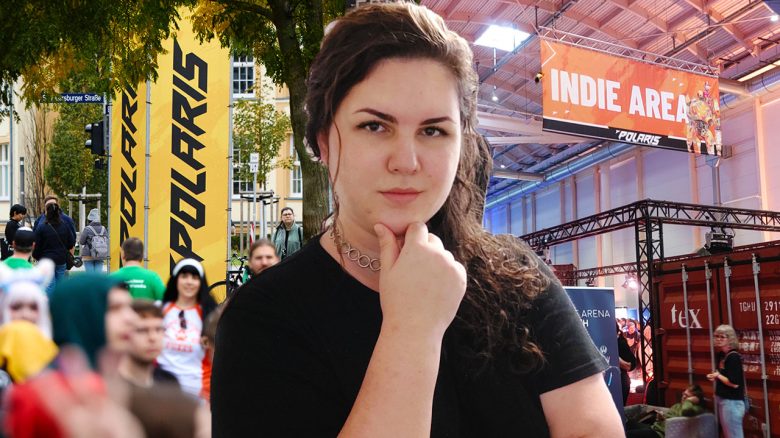
Polaris in Hamburg has developed into the second largest gaming fair in Germany within a few years. MeinMMO author Linda Baumgartl was live on site and believes: it is precisely the differences to the gamescom that make the event so attractive.
The Polaris took place in Hamburg from October 10 to 12, 2025. With around 50,000 visitors and 400 exhibitors, the fair celebrated a personal record and continued the successful trend of recent years. It also secured its place as the second largest gaming fair in Germany (Source: gameswirtschaft.de), although gaming only represents a part of Polaris – more on that later.
These numbers are quite impressive – especially since the Hamburg event has only taken place for the fourth time. In 2022, Polaris celebrated its kickoff with nearly 10,000 visitors and has been growing continuously every year since.
Success or not, of course, a young fair like Polaris cannot compete numerically with the trade fair giant gamescom. For years, the Cologne fair has been the largest gaming event in the world and recorded around 357,000 visitors this year.
Fairs of this magnitude are nice because they can simply offer an incredible amount: massive halls that take days to cover. Renowned exhibitors and an international audience – to name just a few aspects. At the same time, such events can also be quite overwhelming. Too loud, too large, too crowded – these are points I have heard increasingly in connection with the gamescom over the past years. Could a smaller fair like Polaris provide a remedy here?
In the official aftermovie, you can see some highlights of Polaris 2024:
More Community, Less Gaming
This year, Polaris spanned five halls: sufficiently large to explore a lot. Still, my feet don’t hurt when I want to walk from one end to the other. What stands out while strolling through the halls is: Extremely large stands of individual publishers are nowhere to be found here.
Personally, I don’t really mind that. At gamescom, I also prefer to hang around in the indie arena and test as many games as possible. Fortunately, there were also indies at Polaris that I couldn’t miss. It was especially positive that the area never seemed excessively crowded. With a few minutes of waiting, most games could be tested easily. Moreover, many developers were personally present and always available for a nice chat.
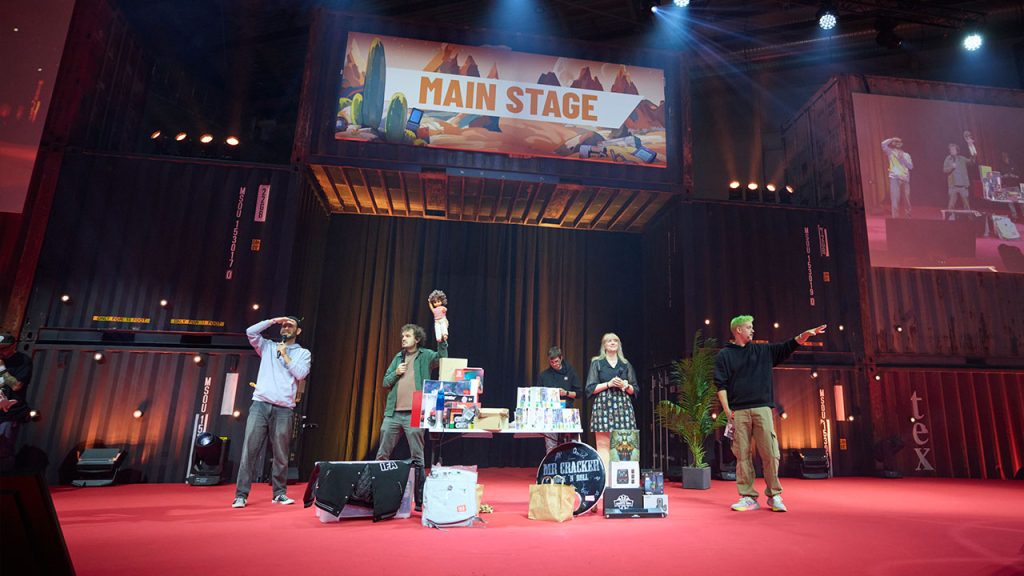
At the same time, I was surprised at how small the gaming component of the fair ultimately was. About half a hall was dedicated to video games, mainly occupied by the large main stage and an extensive retro area. Anyone wanting to indulge in nostalgia could dive right in on SNES, Commodore 64, and co. The retro flea market also allowed for the search for old treasures.
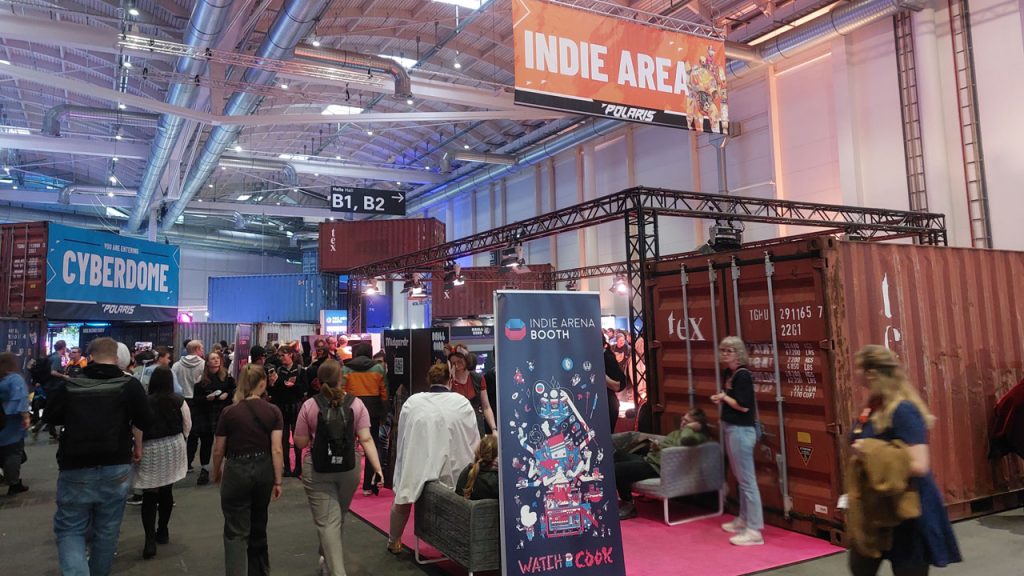
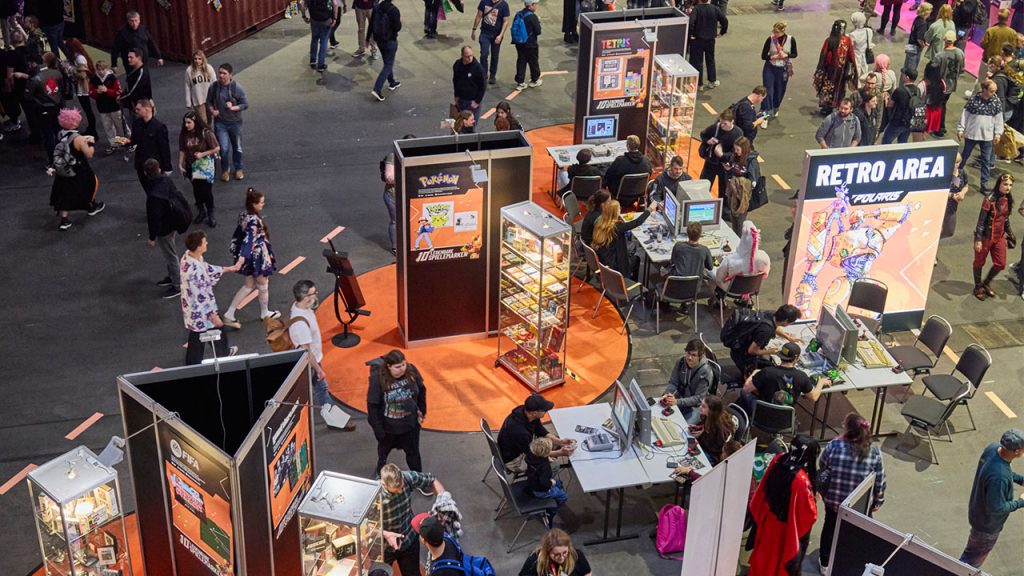
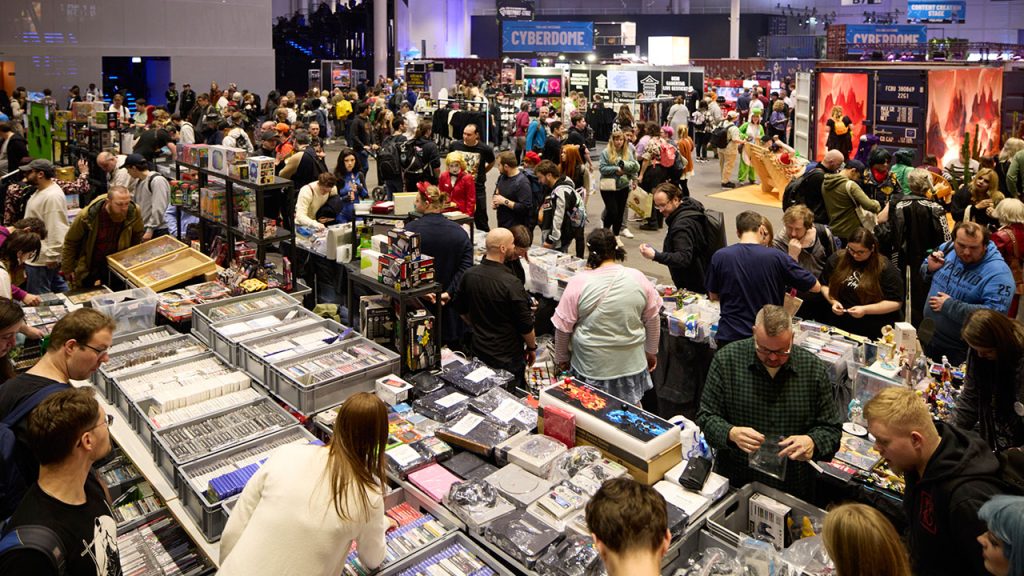
Newer games, including the Indie Area, probably didn’t even take up a quarter of a hall. This already shows: Polaris is not a pure gaming fair and does not want to be one either. Rather, it is a community fair that unites various topics.
The halls were divided into a total of five different “thematic worlds,” which were also visually well separated. This greatly facilitated navigation and generally ensured a good structure. The themes included:
- Gaming and Retro
- Asian Pop Culture
- Art and Community
- Merch and Food
- Content Creator
Plenty of Space to Explore, But Not Too Much
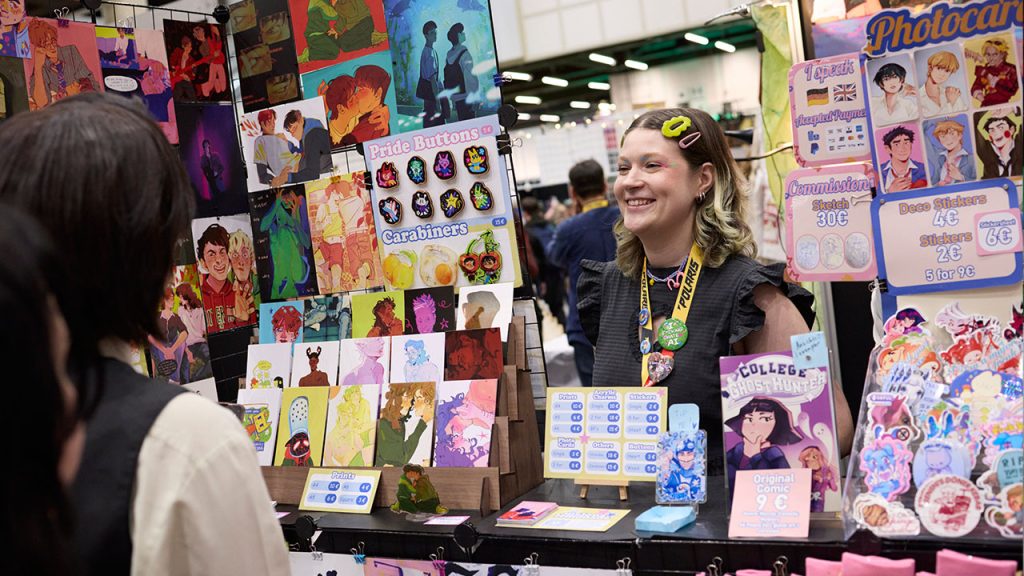
What enchanted me right after entering the first exhibition hall was the truly extensive Artist Alley. Numerous artists lined the halls and offered their lovingly crafted creations. From classics like prints, stickers, or pins to lunch boxes, plush toys, or metal figures, one could discover a lot here. At the same time, you support small vendors and ideally get to chat about your favorite game or anime. A win-win, I would say.
In the same “thematic world” as the Artist Alley, there were also the tabletop and cosplay areas. Here, you could take photos with your favorite cosplayers, try out a round of tabletop, attend workshops, or simply admire the exhibits.
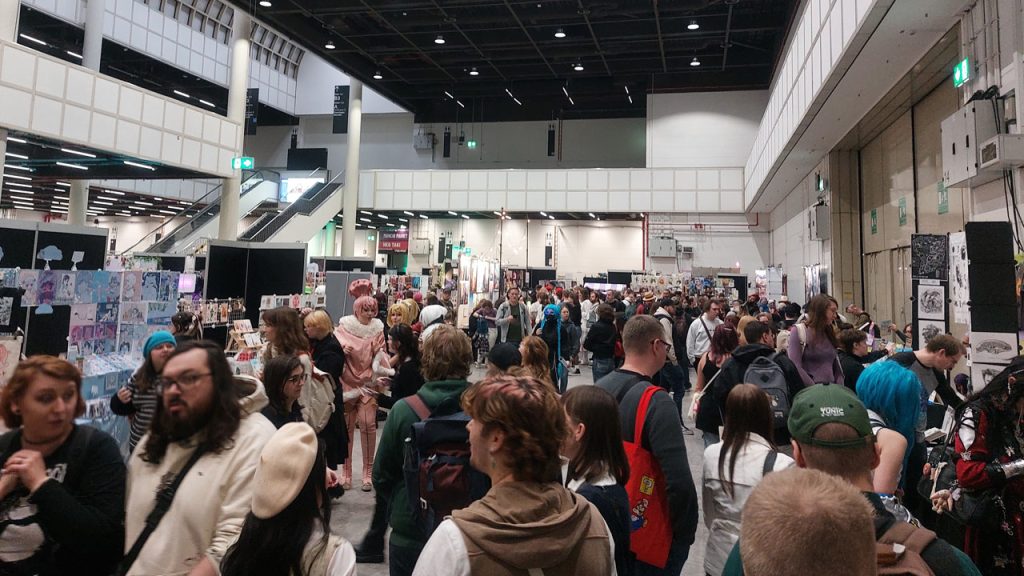
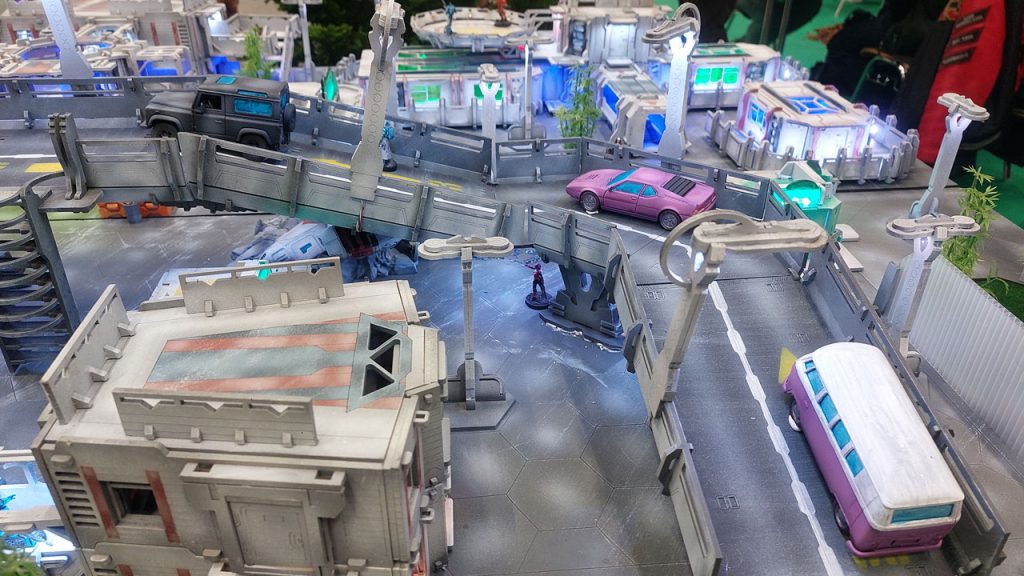
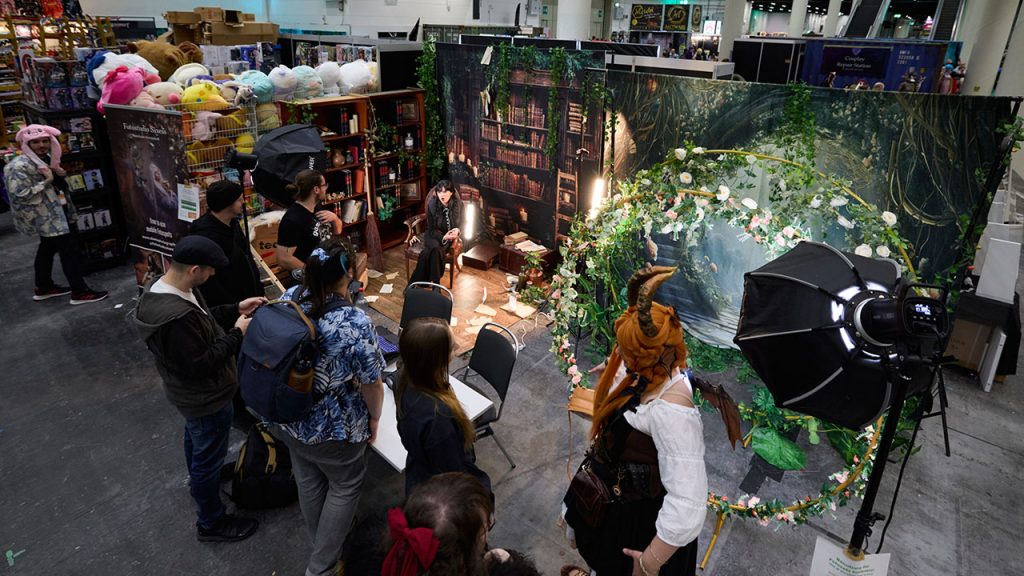
The variety of the fair was also evident on the five different stages that provided a varied program throughout the weekend:
- On the Plitch Main Stage, you could experience formats like “Spoon, Knife, Fork” with Colin from Rocket Beans TV, “Offline & Honest” with Trymax, Varion, and unsympatheticTV, or “Loot for the World” with DoktorFroid and the Space Frogs live.
- On the Neo Taki Stage, NinotakuTV provided programming around anime, including numerous quiz rounds.
- The Footprint Gaming Stage provided interactive entertainment. Here, for example, Mario Kart or League of Legends were played.
- On the Content Creation Stage, there were many helpful talks on content creation.
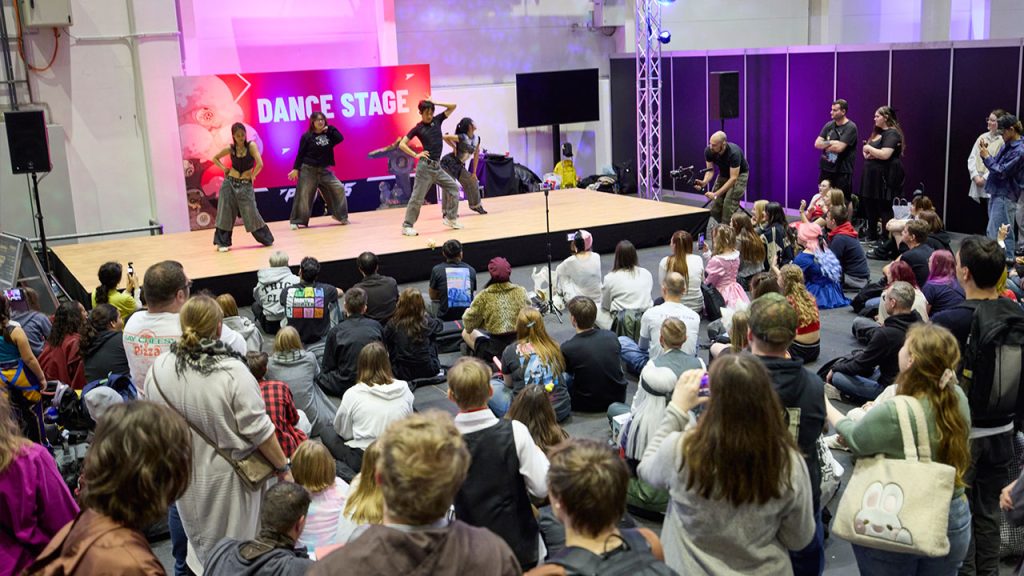
- On the Dance Stage (and sometimes also around it), dancing was in full swing.
At the center were always community, content creators, and Asian pop culture. This focus clearly distinguishes Polaris from other fairs, such as gamescom.
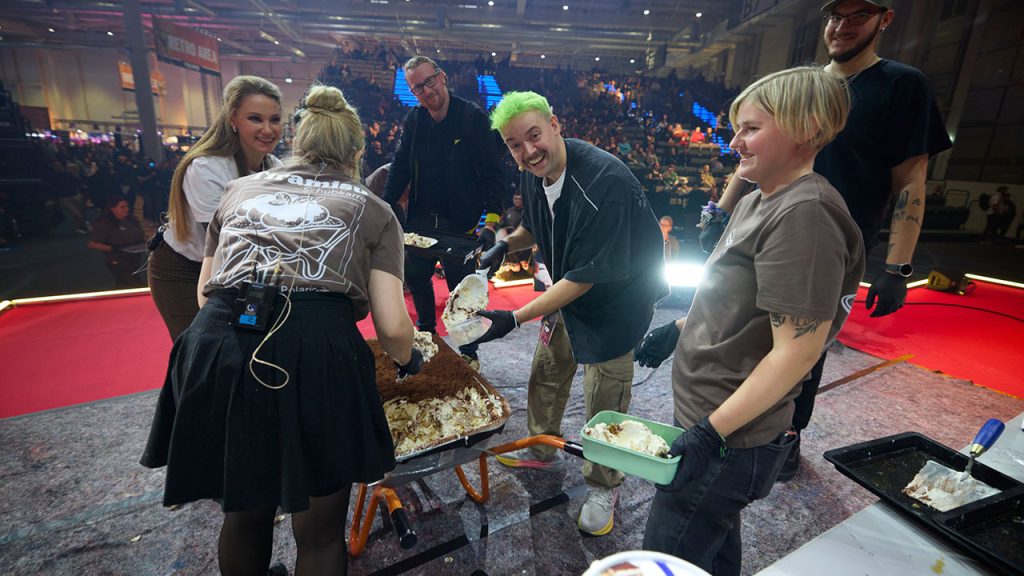
What is frowned upon at gamescom is part of the concept here
What particularly stands out at Polaris in contrast to gamescom is the focus on content creators of all kinds. These have increasingly fallen out of favor at gamescom over the years. The reason: many fans now only attend the fair because of specific influencers and clog up the already crowded halls without even being interested in gaming. As a result, streaming rights for MontanaBlack, for example, were also restricted.
Such annoyances are completely absent at Polaris. Influencers are not a thorn in the side here, but are explicitly welcome. The focus is precisely on the exchange – between the community, but also between fans and streamers, YouTubers, voice actors, or cosplayers.
So far, this concept seems to be working very well. Names like PietSmiet, RocketBeansTV, Space Frogs, Trymacs, CrispyRob, or numerous voice actors, for example from One Piece, generate a lot of interest. Nevertheless, I never felt during the fair that unpleasant crowds were forming. Sure, the halls were well filled during peak times. However, it was always possible to get through easily. Here, it remains particularly exciting whether this will remain the case in the future with the ever-increasing visitor numbers.
Conclusion: Not a Replacement, An Alternative
In conclusion, it can be said: Polaris is not a complete replacement for gamescom, even though it is referred to as the second largest gaming fair. It is not only significantly smaller but also places different thematic focuses.
I perceive both as a clear strength of the fair. It specifically targets where gamescom tends to falter and thus appeals to many people. Family atmosphere, community exchange, a focus on content creators, and nerd culture. All of this strikes a chord and contributed to Polaris’s meteoric rise.
For the future, I personally would perhaps wish for a somewhat broader offering in terms of gaming. I feel that indie games fit perfectly into the concept and could easily take up twice as much space as this year. However, looking at the development of Polaris over the last four years, I am very optimistic that this wish could actually be fulfilled fairly soon. I will definitely continue to follow the Hamburg fair and am curious where it will develop in the future.