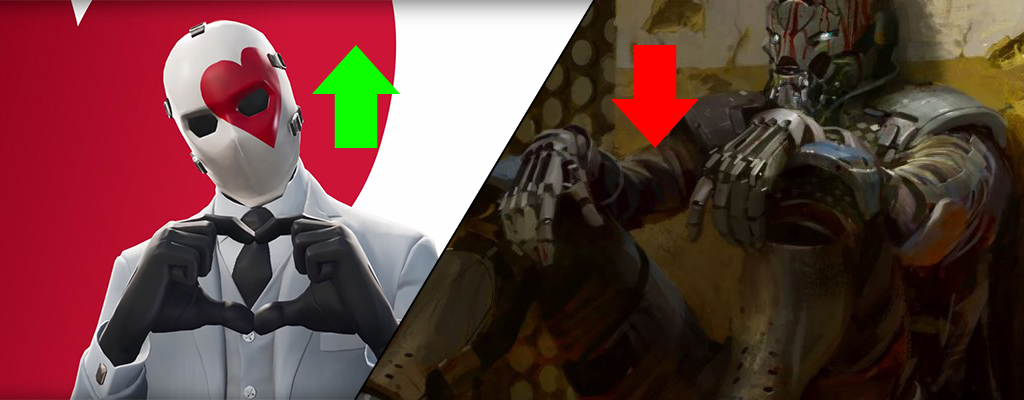
MMOs and games-as-a-service are great, says our author Schuhmann. But there are now many more losers among the games than before: Destiny 2 is now one of them. Ironically, in 2014, the ideas were introduced that are now helping Fortnite soar.
This was the situation in 2014: When Destiny was released in September 2014, the game dominated the headlines for a month. At that time, there was hardly anything else that gamers talked about, at least in the mainstream.
This new thing from Activision – it was everywhere. Whether you liked it or not: The spotlight of the media world belonged to Destiny.
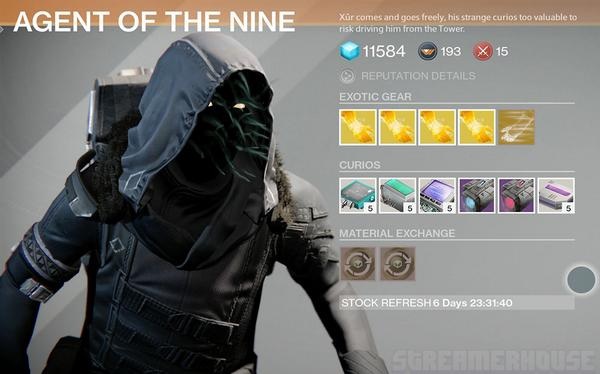
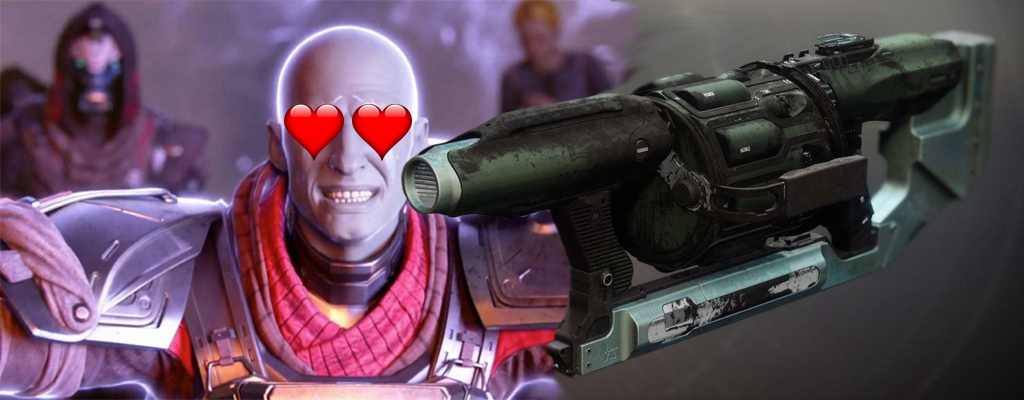
Xur, in October 2014
The Special Thing About Destiny in 2014: The “Calendar”
That’s why Destiny was a pioneer in 2014: Yes, of course the gunplay was fantastic, the graphics super, and Bungie had a huge name among gamers. But the success was actually due to something else: the “Calendar” that Bungie suddenly introduced.
With a mysterious vendor like Xur and regularly changing activities, Destiny 2014 brought something new for many players on PS4 and Xbox One: A game that changed from day to day, week to week, and stayed fresh.
Destiny – the first “lifestyle” game in the mainstream
This is what made Destiny different back then: Destiny borrowed some ideas from MMORPGs like World of Warcraft:
weekly and daily resets
vendors with changing inventory
events
lockouts for raids and special strikes
bonus events that were only available during specific times like the Iron Banner or later the “Trials of Osiris”
This created a “calendar” for the players, a schedule they could follow.
The Guardian then knew: “On Tuesday, I do the Nightfall, on Friday Xur comes, on the weekend I go into the raid or the Trials – and once a month is Iron Banner.”
The big deal about Destiny was: This was new for players at the time. Later, journalists said that Destiny had become a “lifestyle game”. A game that belongs to the everyday lives of the players.
Although there were already such games before: MMORPGs like World of Warcraft or Everquest. However, they were more niche and only available on PC. Destiny brought these lifestyle games to the “mainstream” on consoles.
The motto: Let’s give people a reason to check back into the game daily or weekly.
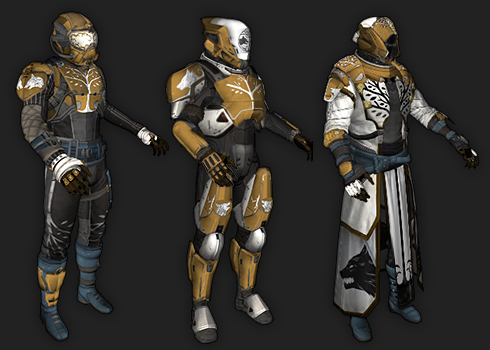
Iron Banner armors, October 2014
Did it work? The concept worked wonderfully for Destiny time and again. For the first months of 2014, then again occasionally in 2015 with new expansions and the DLCs. However, the plan did not work out permanently. These systems often ran empty:
Eventually, only professionals played the Trials and everyone else stayed away.
Eventually, everyone was at the highest power level and there was no incentive to go into the Nightfall, the raid, or the Iron Banner.
It was actually planned that substantial new content for Destiny would be released every four months to feed the systems and keep the wheels turning behind the scenes.
But this schedule fell apart completely in year 2.
These were the consequences of the mistakes: The vibrant community scene with popular streamers and fan sites was sustainably damaged by Forsaken – some were even lost irretrievably. Destiny was no longer a topic for many for long stretches. It was simply gone.
Additionally, Destiny gained a negative reputation by repeatedly promising “better times” but failing to deliver on those promises for a long time. Players became upset as they were constantly asked to pay for DLCs, new expansions, or even a new game.
During that time, Destiny completely lost its lead and new games emerged.
The Special Thing About Fortnite in 2018: The “Calendar”
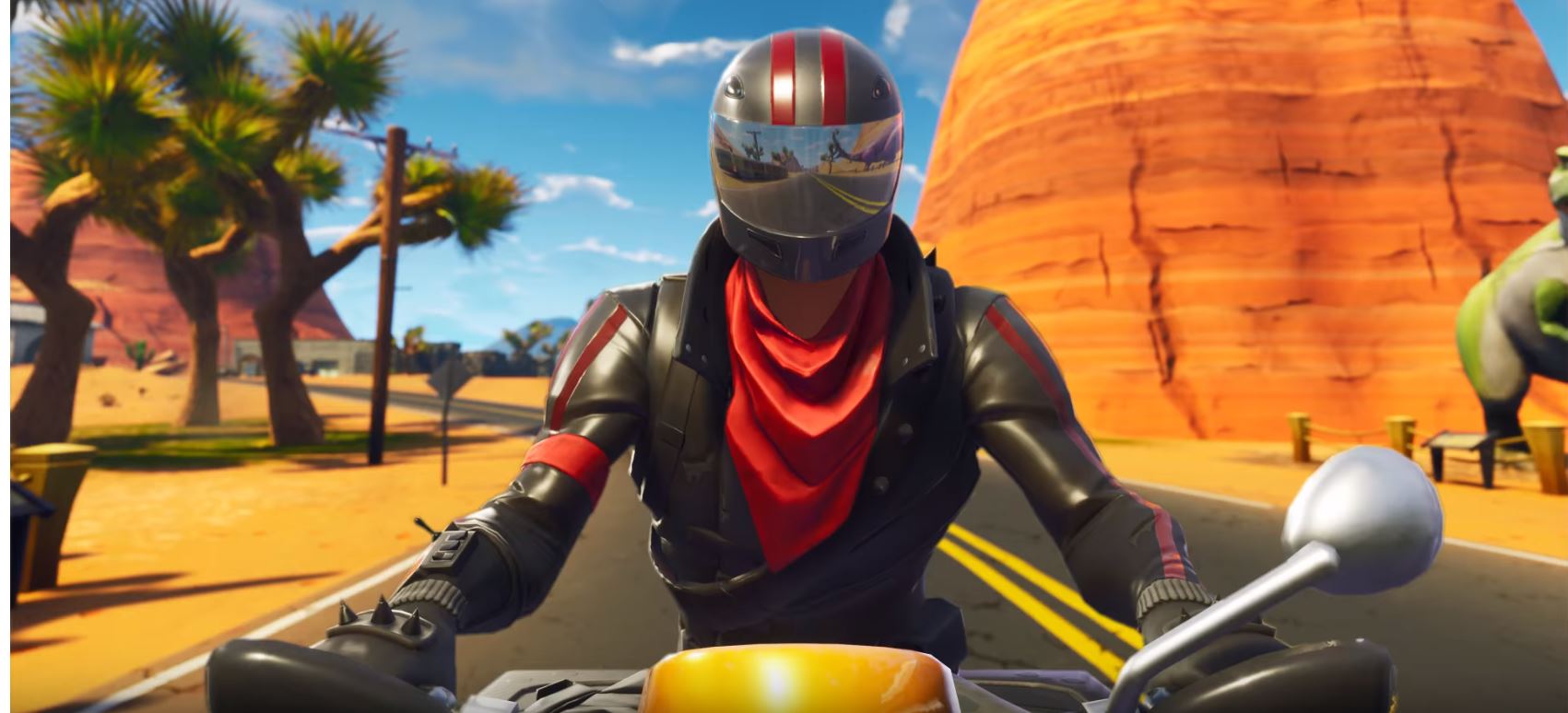
Fortnite benefits from the fact that they copied ideas from Destiny in 2014. They too rely on a “calendar” that entices players to play Fortnite every day.
Every week, Fortnite creates headlines with patches, balance changes, and challenges. The cash shop changes its offerings daily – new skins are constantly added.
Even though Fortnite only offers one map, constant changes, events, new items, and special modes provide variety in the player experience.
A lively streamer scene also contributes to keeping Fortnite constantly in the headlines.
Even more lifestyle, even more mainstream: Fortnite is also a lifestyle game. However, they have pushed the concept from Destiny much further. Fortnite is free, targets youth and children – and it’s available on almost all platforms now.
Destiny was the model for Fortnite and its systems
This is what Fortnite has in common with Destiny: When Epic presented the game Fortnite – at that time still the PvE part – to journalists, the developers specifically named Destiny as a model.
In order to be a “robust, living game,” they had adopted these systems. Even then, Epic’s Creative Director, Donald Mustard, told the site Polygon:
“When you look at Destiny. It’s not a free-to-play game, but it’s designed like one. This robustness of events and how it’s a living product that keeps evolving. There is this rhythm, this cadence that is much livelier than with games that are traditionally expanded. Our systems are even more robust than theirs.”
That’s about a year and a half ago. A lot has happened since then.
Star streamer Ninja is associated with the rise of Fortnite
Fortnite at the top – Destiny not
This is the result:
Fortnite’s approach in 2018 has led to new heights.
In contrast, Destiny had a rude awakening for Activision. The mixed Destiny 2 has destroyed a lot of trust. Destiny 2 has fallen short of Activision’s high expectations and was singled out as a problem child in an earning call.
The two major problems of Destiny 2
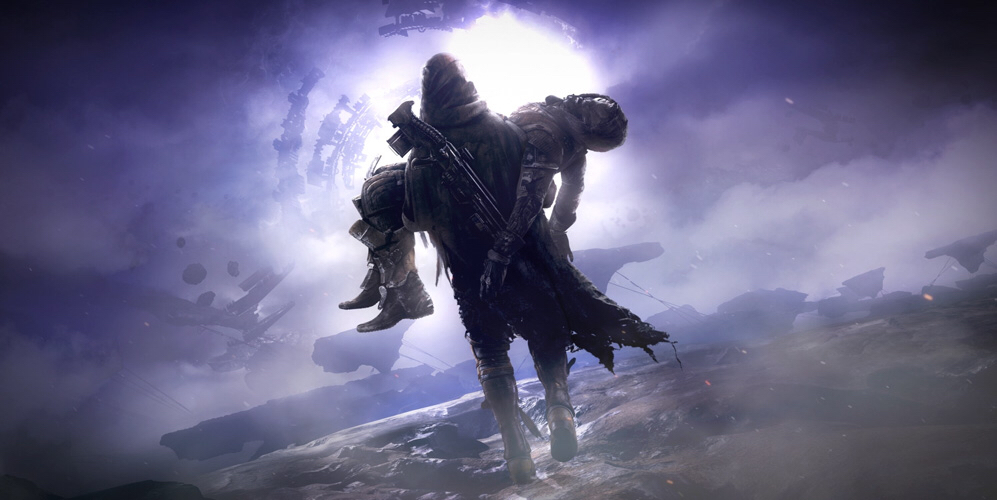
This is Destiny’s problem: The resurrection with Forsaken has succeeded for Destiny 2 – but far fewer players notice this today than would have in 2014.
On the one hand, many players have already formed their opinion about Destiny and are not willing to reconsider it. They feel that they have been disappointed too many times between 2016 and 2018. Additionally, they do not want to spend more money on another Destiny item.
On the other hand, there are many more competitors in gaming now than in 2014.
More competition in the showcase
This is what changed in 2018: 2018, the world of gamers looks different. Because games don’t just go away anymore. Games-as-a-service games aim to be developed further over the years. And new games are constantly present.
While Destiny singularly held the spotlight in 2014, the gaming world in 2018 is suddenly full of “new games” vying for attention:
There are the old heavyweights that are still swimming at the top or planning a comeback – like Fortnite, LoL, WoW, GTA Online and other service games. These games keep their fans engaged and continuously set highlights.
There are regular franchises that pick up their players every year: like FIFA, Call of Duty, Battlefield or soon The Division 2. Even for them, it has become difficult to capture attention every year as they did in previous years.
And there are new franchises and games that are pushing forward – like now Red Dead Redemption 2 or soon Anthem.
Is there still room for Battlefield 5?
Games don’t just go away anymore
These are the goals of the publishers: Anyone who is a publisher or studio without a solid “Games-as-a-service” game is planning one: Like BioWare with Anthem or Gearbox with Borderlands 3.
What connects these different games? Even though all these games look different and target different audiences, they are all: Games-as-a-service games that just don’t want to go away.
The Highlander problem: For many players, it’s clear that one of these “lifestyle” games is enough for them. There’s barely room for a second game alongside it.
Especially since other leisure alternatives like Netflix are huge time thieves that compete for gamers’ time.
Your giant brand against my giant brand
This is the impact it has: In a business report from Activision, it states that publishers will face a brand battle. The strongest brands from Activision like Destiny, Call of Duty, Overwatch, or WoW compete against the strongest brands of other publishers to assert themselves in the market. Against brands from Ubisoft, EA or other giants.
Therefore, games are now more likely to be “more than just games”: With movies, TV series, toys, spin-offs, event tournaments, and everything else.
But the gaming market is getting tighter. Because “old” games don’t just go away anymore – like before. And Destiny made the mistake of going away for a few years.
This leads to:
Fortnite, a game from 2017, is still huge in November 2018 and claims the spotlight for itself.
Activision and Destiny 2 are having a hard time making it clear that Destiny 2 is still worth it in 2018.
The old brands must fight for their players. Because the binding power of “successful games” is high.
Today, a “new Destiny installment” no longer automatically means it has the full attention of the media and players. Today, Destiny must share the spotlight.
This means that a productive improvement with Forsaken does not always lead to all players returning.
Destiny 2 must not just disappear for 2 years
This is important for Destiny: For Destiny, it will be crucial how the next content updates and months play out. Because today the competition is much tougher than in 2014. Anyone who does not deliver regularly and takes long breaks may find themselves not just temporarily in a bad position in the “new world of video games” – as it is now.
The lead Destiny once had has long been lost. In 2018, other games are doing the same as Destiny did in 2014, and they are doing it just as well or better.
Content breaks and missteps are no longer an option for Destiny. It will be extremely important that the next DLCs deliver and keep the game alive and in the headlines. Destiny 2 must not disappear, as Destiny 1 did for two years.
Fortnite must stay different and lively
This is important for Fortnite: But for Fortnite, the current high doesn’t mean that it will continue like this. There have already been signs that the peak has been reached. Players are showing signs of fatigue with Fortnite. Here, Epic must not make the mistake of standing still for too long.
The cube event dragged on for a long time – too long for many. The constant map changes are nice, but they are slowly exhausting themselves. Another map would bring new life to the game.
Fortnite must achieve the feat of continuing to surprise players and avoid the danger of its systems running dry.
A particular challenge for a game at the top is continually outdoing itself. A challenge that Destiny seems to have failed at – at least for now. But perhaps a comeback is still in the cards.
Recently, Destiny 2 has indeed seen a resurgence. How they achieved this is described in this article: