

What did MMORPGs and MMOs have in the past that is so painfully missing in 2020? It’s not about balance, content, or clever boss fights, says our author Schuhmann. “People used to know each other.”
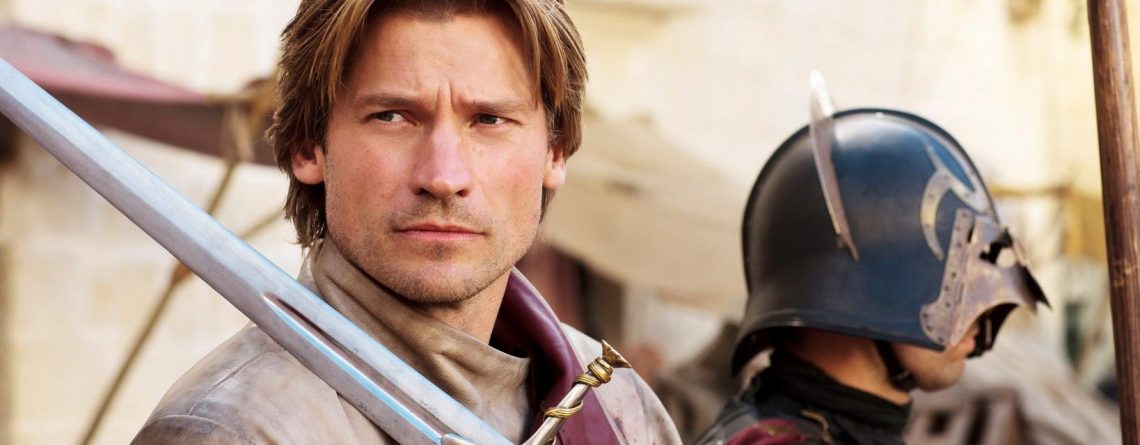
Jaime Lannister from “Game of Thrones” (cover image) has a problem: Everyone knows him as “the Kingslayer.” His reputation precedes him. People everywhere in the world have heard of him, know his name, even though they have never seen him.
When I started with MMORPGs, back before World of Warcraft, before instant matchmaking and mega-servers like ESO, it was like that too.
I knew who my enemies were and who my friends were:
- I knew the name of the leader of a large group of knights who roamed the borderlands for their realm every evening.
- I knew who the best blacksmith in Midgard was, who made a fortune crafting weapons and armor for his Vikings.
- I knew an assassin who was known for using a buff bot and was therefore much stronger than she should be – that was considered frowned upon.
- I knew an archer who liked to loiter in front of our gates and ambush beginners.
- I knew so many people in my realm who would go out with me when I logged in and was looking for someone to play with.
The best part back then: People knew me too. They knew who I was and what I played.
I was the leader of a PvP group back then, and when we showed up somewhere, people knew: They had to be careful, these guys were not to be trifled with.
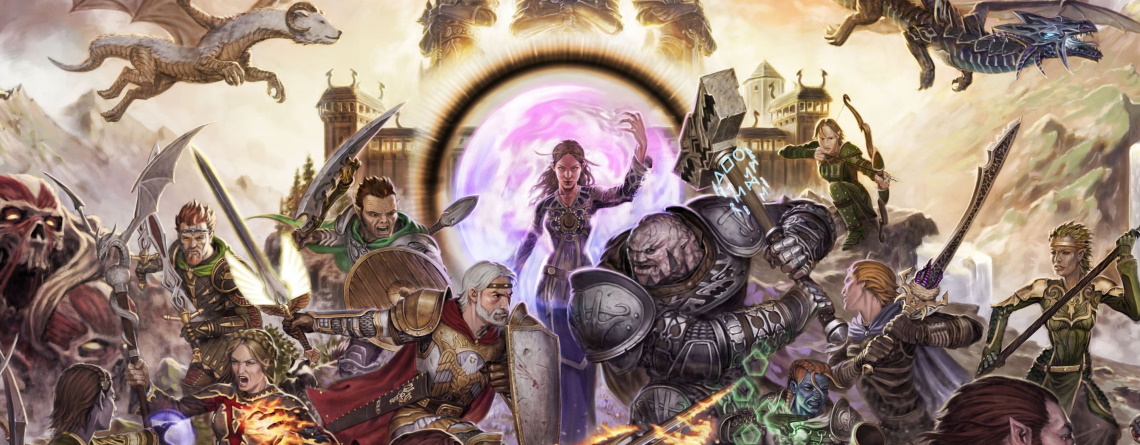
The game of the past was “Dark Age of Camelot”: An MMORPG that was much less developed than the best MMORPGs of today. DAOC offered much worse graphics, much less content, and had terrible balance.
Even though many MMORPG veterans today speak of the DAOC days as if it were “the golden age,” the forums, then as now, were filled with disappointed players cursing the MMORPG and shouting: Two years ago, DAOC was much better than it is today.
Back then, not everything was better, but some things were good.

MMORPGs traded meaning for accessibility
Back then, everyone knew each other. When we talk today about how “MMORPGs aren’t like they used to be,” we mean exactly that. The personal touch has been lost from the MMORPG genre over the years.
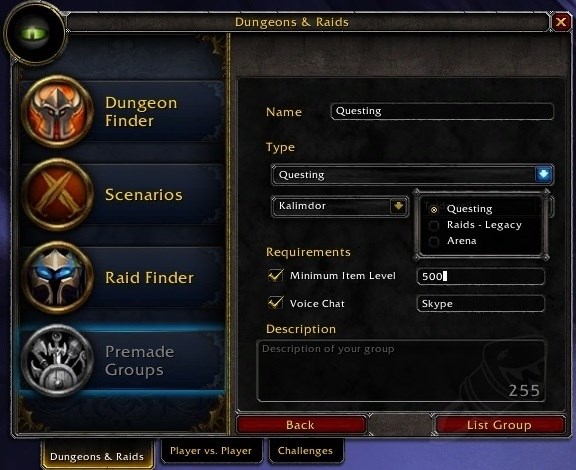
Significant and long-standing relationships have been replaced by “instant matchmaking,” where we can find a group at the push of a button.
It no longer matters which server you play on: Today, you can connect with the whole world. If you’re looking for a group to raid in Destiny 2, you don’t need friends, just a Facebook account.
If we want to know who the strongest player on a server is today, we have to check achievement lists or leaf through world record lists.
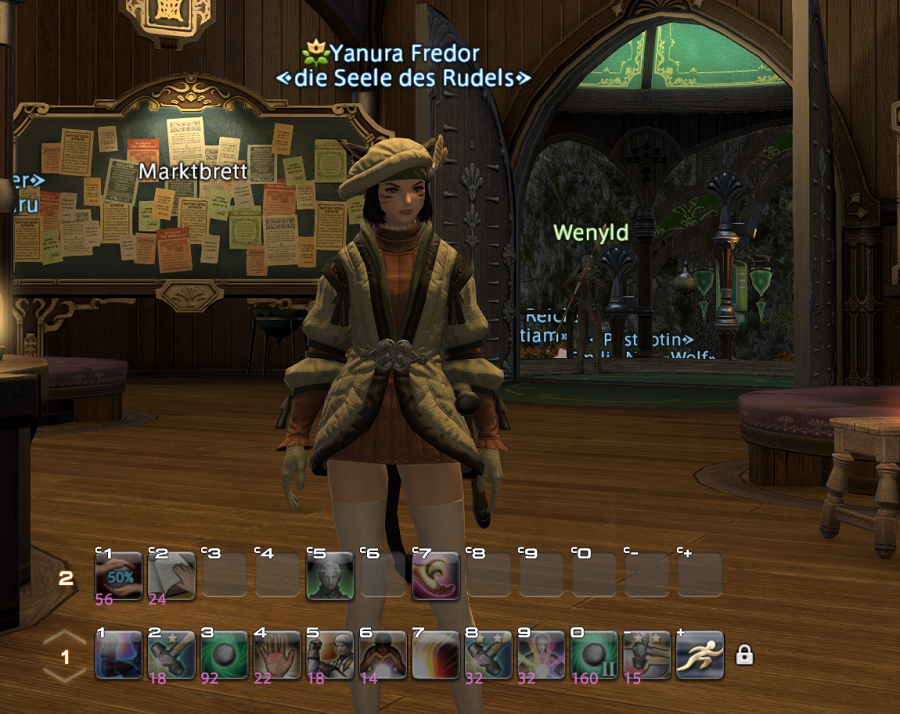
There are no more famous blacksmiths. In crafting, everyone is supposed to be able to do everything. In many MMORPGs, crafting is a secondary skill that you level up.
People have a tailor alt, a mining alt, and someone can surely still craft that sword that someone is looking for in chat.
There is hardly any room for something special in our MMORPG world. Everything should be balanced. No one should have an advantage. Players are supposed to reach endgame within a few weeks and keep up with those who have been playing from the beginning.
Today, this is called “accessibility,” what MMORPGs want to provide to attract fresh blood, new players.
In our MMORPGs, there isn’t a single “Kingslayer” like in Game of Thrones, but hundreds. Because it’s a title for any achievement that you may have earned years ago and that you can perhaps enable as one of the many titles you have accumulated over time.
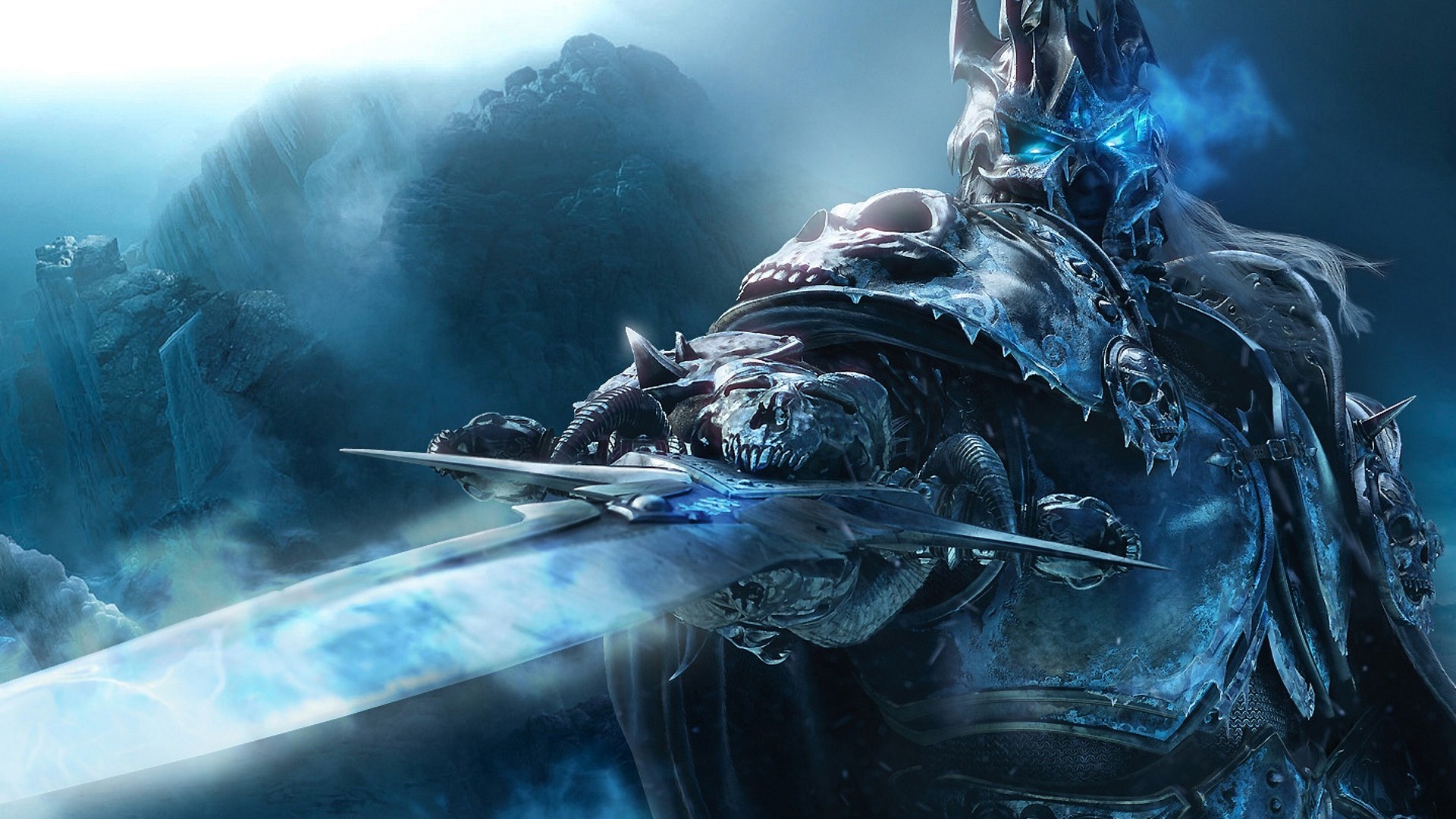
In today’s games, there are hardly any players whose reputation extends beyond the moment. We know streamers by name, but that’s not the same.
When WoW Classic wanted to turn back time by 15 years, purists would have liked to exclude the streamers: Because back then, in the times of WoW Classic, the “normal players” were the special people, not random guys from television.

MMORPGs are games where we have a reputation, not a score
I believe: If MMORPGs are to return to a golden age, it will be because they become games where we feel we are playing in a world where it matters to know other players by name and to be known oneself.
MMORPGs need to become games again where we have a reputation to uphold, not just some score.
Indie MMORPGs today are trying to capture the magic of the past. Crowfall, Camelot Unchained, and Ashes of Creation want to turn back the wheel of time. They wonder how the MMORPG genre would have developed if WoW had never come along and become such a success.
I hope that at least one of these games manages to give players back the feeling: I know my teammates and they know me. Because that is ultimately what is missing from MMORPGs today.

Your opinion is important to us!
Do you like the article? Then let us know!