
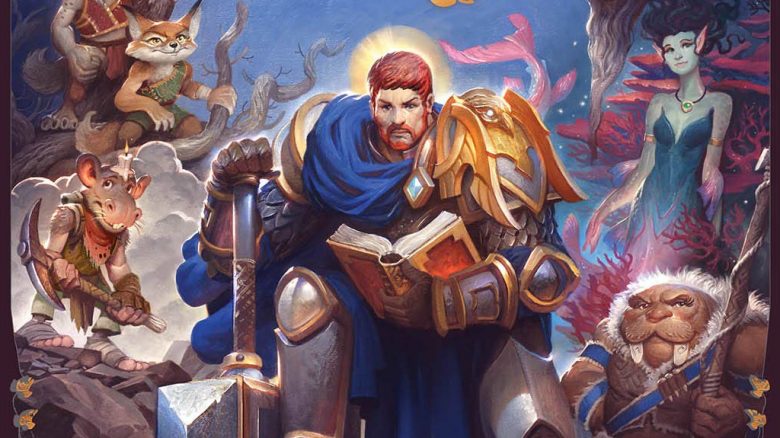
The book “Folk & Fairy Tales of Azeroth” thrilled Cortyn. Not only are the stories themselves exciting, but also the morals behind them.

Even though there have been some problems with the content of World of Warcraft in recent months and years – especially regarding the timely release – there is another medium that has been consistently delivering for fans of the universe: books. In recent years, several books have been published that are not necessarily related to the main storyline of the game and instead deal with side stories or certain perspectives on the game world.
What is the book about? The book “Folk & Fairy Tales of Azeroth” is a collection of a total of 12 short stories, each penned by a different author. The individual stories are not 100% verified parts of the official lore as it occurred – but rather stories and tales of the various people.
The book poses the question: What legends and ghost stories do Goblins, Vulpera, Night Elves, and Humans tell each other around the campfire? What fundamental moral values are instilled in the peoples through children’s tales? What heroic tales do the Undead tell, and what exactly is the legend of the Earth Mother and the Tauren?
Especially for role players, the book is “pure gold,” as it breathes life into previously unknown areas of the Warcraft world. But general Warcraft fans are likely to enjoy it as well.
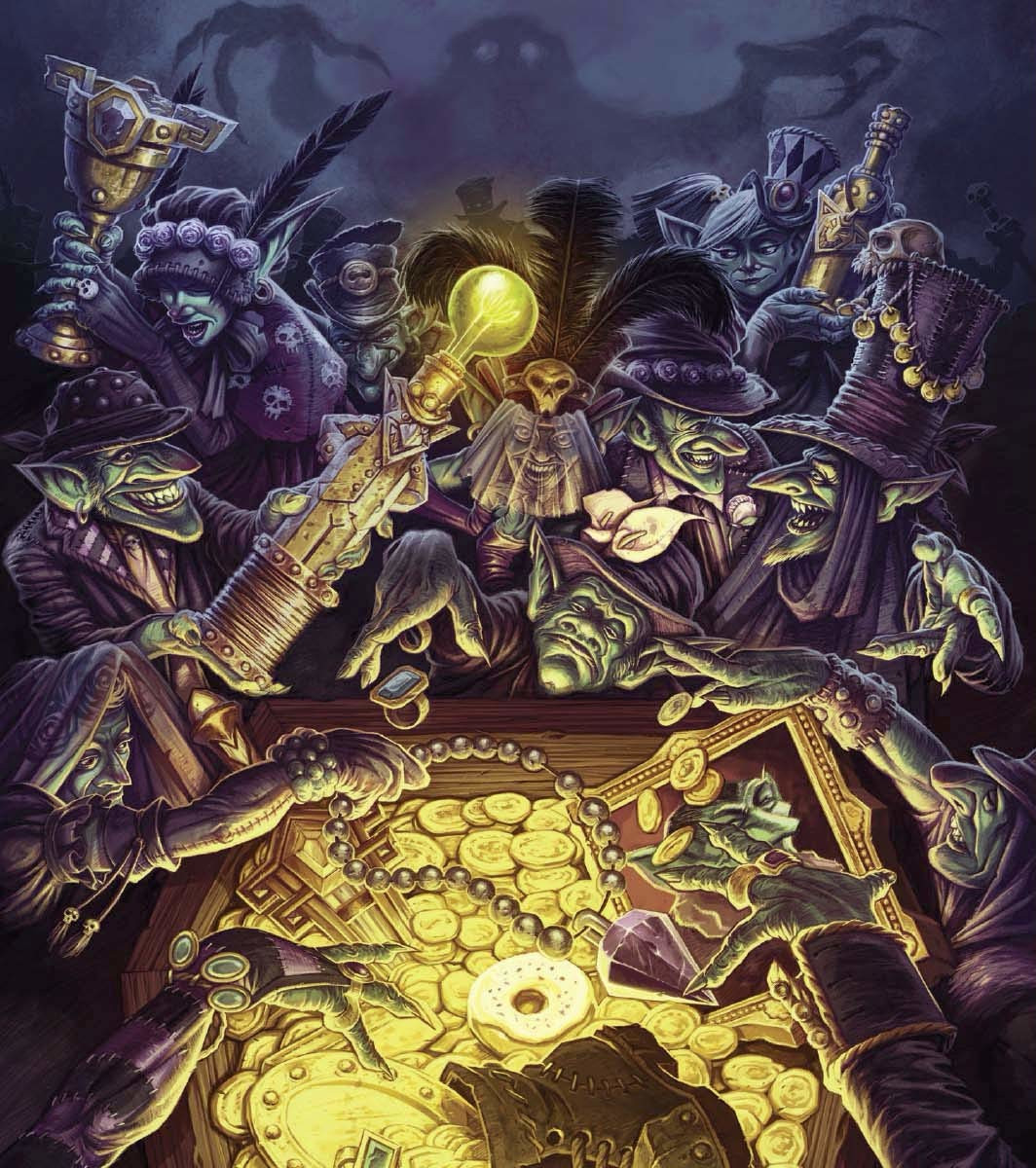
What stories are there? I particularly found the story “The Uninvited Guest” striking. It essentially addresses the counterpart to the “monster under the bed” that Goblins fear.
If Goblins become too greedy, then the “Uninvited Guest” could attack them – an invisible presence that feeds off thoughts of greed and possession, infecting the affected with the worst thing Goblins can imagine: kindness and generosity.
Another story addresses the traditions of the Vulpera and reveals why they constantly roam the desert and never linger in one place for long. This is due to a mysterious artifact that whispers to the caravan about where the dead must be buried to find their final rest. If one ignores the call of the artifact and disposes of the dead bodies in another way, terrible things happen – and these tales are not delicate.
But let’s be honest: hardly any children’s tale from “our” youth was gentle.
Representation of Diversity – Quite Successful
However, the book is also quite good for a second group, as it fits perfectly with the current Pride Month. Many members of the “LGBTQIA+” community may feel very “welcomed” by the book. Many stories contain allusions or clear references to characters who identify with this group.
To give a few examples:
The story “Stone, Moss, and Tears” deals with a sentinel of the Kaldorei who only feels truly comfortable among the other sentinels. She was ostracized by her family for not following the family tradition of dedicating herself to druidism.
As the story progresses, it becomes clear that the Night Elf was born male but has always felt like a woman and therefore joined the sentinels. The story addresses the search for a place where one is accepted as they are – and the friendships that come with it.
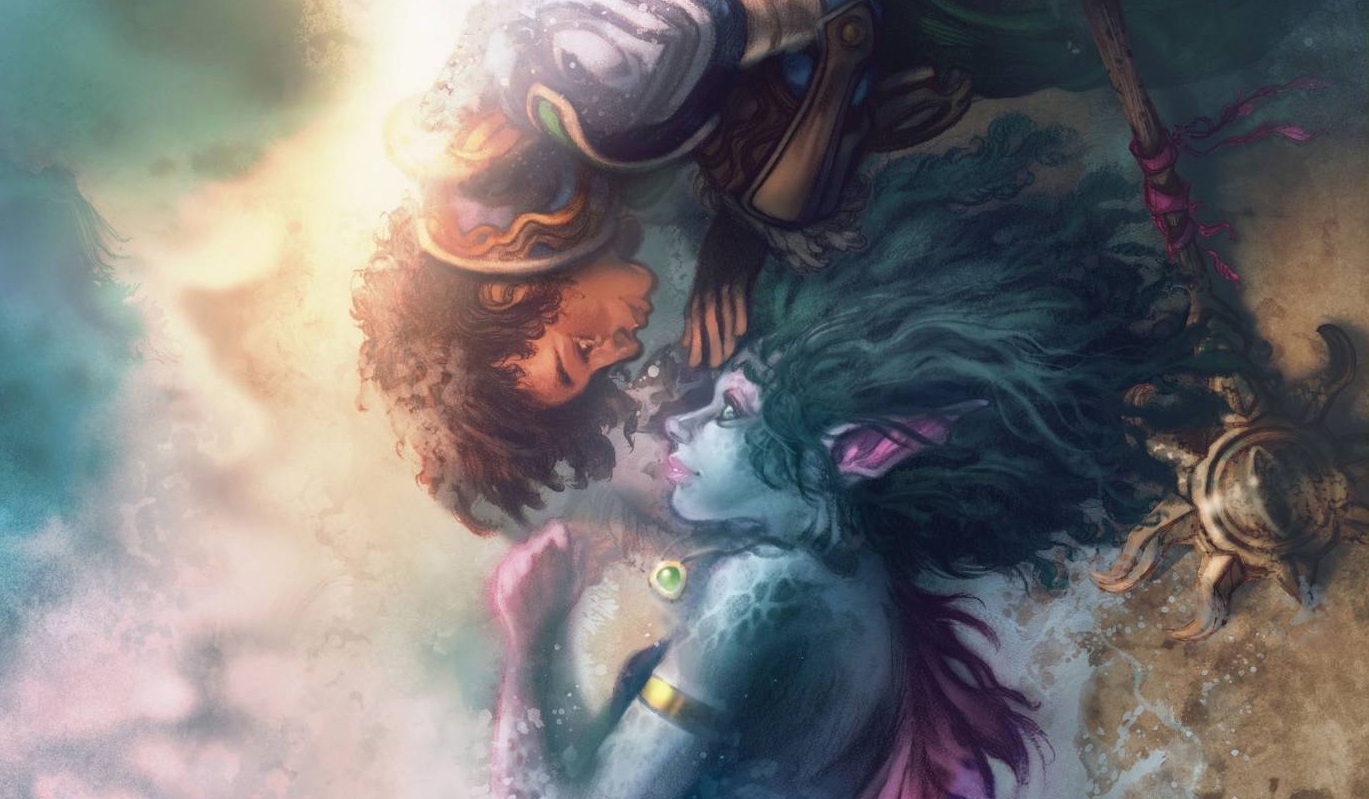
Also quite clearly is the reference in the story “Why the Mermaids Left Boralus.” The story fundamentally addresses the legend of the Kul Tirans and how Boralus was created. At the center of the story is the mermaid Halia, who falls in love with the Tide Sage Ery, whom she repeatedly sees on the lookout of one of the ships.
It is this love that ultimately leads to the creation of the great sea wall of Boralus, which still ensures that the city is not destroyed by storms every year – and the plot is extremely tragic.
In the last story, “Visage Day,” it’s about Chromie, who has long been a little puzzle for the community. For the dragon lady in the form of the little gnome is actually named “Chronormu,” carrying a masculine name. What was long seen as a mistake is clarified in the story. Chronormu chooses the form of a female gnome because that simply “fits better” with how she feels.
My impression was: All of this just fit wonderfully. It never felt forced, and I never had the impression that – as has often been criticized – these themes are “shoved in your face.” They were meaningful aspects of the story, individual facets of multi-dimensional characters, and a clear enrichment.
I can definitely recommend the book. Even aside from the “LGBTQIA+” content, the stories are really great, shedding new light on characters like Uther, revealing more about the way of life of the Vulpera, exploring the topic of grief processing, and almost always having a lovely moral.
Many of the stories have quite clear references to works and tales that have existed for hundreds of years. “The Eyes of the Earth Mother” repeatedly reminds one of the creation story of the Bible, and the Boralus story has clear parallels to the fairy tale “The Little Mermaid” – even in its particularly gruesome aspects.
I read the book in the English version, which you can order here on Amazon if needed:
Anyone who prefers to wait for the German version of “The Folk Tales and Legends of Azeroth” will have to wait until June 29, as only then will the translated version hit the shelves.
In summary, the 12 “Fairy Tales” are all about: Really good Warcraft stories that you can read not only to children. Anyone who likes to fall asleep with an interesting story at night – or wants to sweeten a long train ride – can do so without hesitation.

Your opinion is important to us!
Do you like the article? Then let us know!