

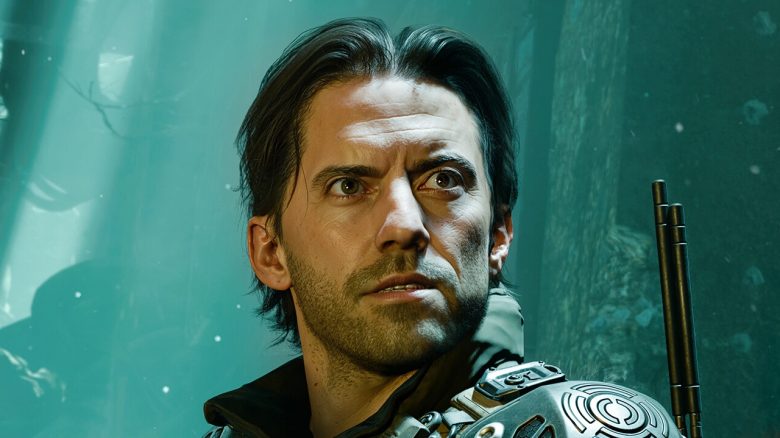
Call of Duty will avoid consecutive releases of different CoD series in the future. MeinMMO editor Dariusz believes, however, that more needs to happen.
Activision has announced that Call of Duty will alternate again in the future with the release of new “Modern Warfare” and “Black Ops” titles. There will be no more directly consecutive games in each series. In recent years, it was different. MW2 was followed by MW3, BO6 was followed by BO7. They now want to ensure that Call of Duty delivers a unique experience every year.
For many fans of the shooter, this seems like an admission on social networks that Call of Duty is not doing particularly well this year – especially since it has strong competition from Battlefield 6 and ARC Raiders.
If CoD really wants to save the declining player numbers with this decision, I have to say clearly: The realignment of the release plan is not enough to “get the cart out of the mud.”
To give disappointed fans hope for the future, more needs to happen.
Players have been deprived of fun for years
Call of Duty has struggled in recent years with various problems and challenges. Often, there have been the same recurring discussions and points of criticism.
- The matchmaking is causing discussions (Hello SBMM)
- Recurring technical problems like packet loss
- Players turn their backs on the game after a few months
- Use of artificial intelligence to create in-game content like skins and calling cards
With Black Ops 7, CoD has already addressed some of these criticisms. For example, skins are supposed to be more grounded and fitting, there is now a playlist with at least reduced SBMM, and the anti-cheat has been improved.
Nevertheless, challenges remain that Call of Duty must overcome to restore a more positive mood in the community. A change in the release plan is not enough for this.
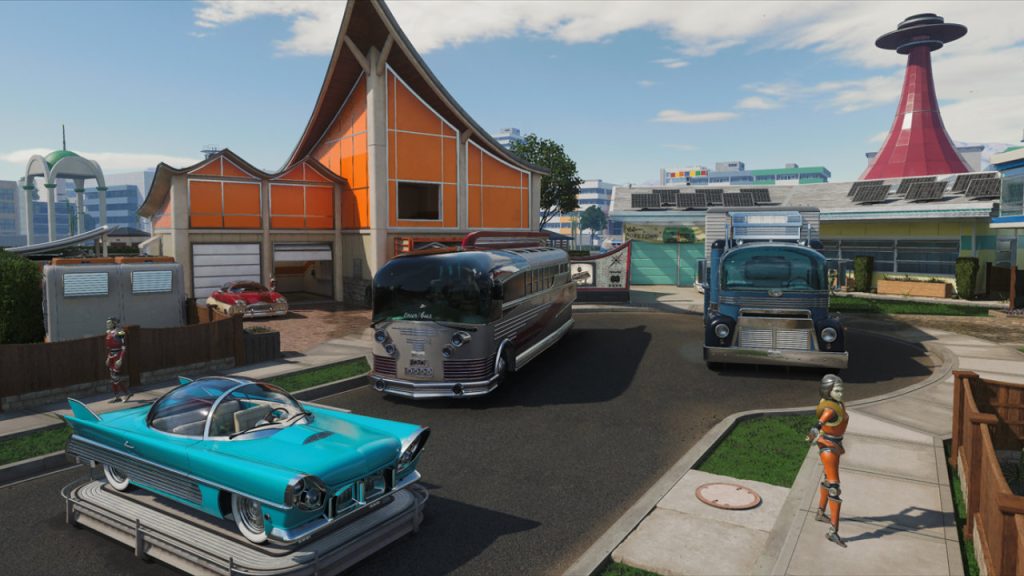
Call of Duty loses players every year after Christmas
Call of Duty has a major problem keeping players engaged throughout the year. Even a Black Ops 6, which initially had great reception, had only a third of the average player count compared to the release month three to four months after release, with a declining trend.
While only the Steam player counts are known and a large part of the community is known to be on PlayStation, this trend shows that Call of Duty has weaknesses in long-term player retention.
Especially the problem with cheaters is a factor in player attrition. Seasonal updates also fail to bring players back. And it is clear:
After a few hours, the appeal of new content is lost, and what remains is a frustrating game.
When cheaters, server issues, matchmaking, and other problems ruin the fun, I don’t think “Wow, awesome, I’m really excited to play” because of a few weapons and maps. This sentiment is evident year after year in forums and groups about the game.
Warzone is a burden on Call of Duty
Call of Duty has felt the same for years and has hardly evolved graphically or physically, as the multiplayer and Warzone are linked year after year. The current Call of Duty restricts itself because it must inevitably be compatible with Warzone.
Although the engine has improved over the years, the foundation has been the same since 2019. This means that assets for weapon models and characters, textures, and animations must not differ too much, otherwise, they would be incompatible.
The netcode, tick rate, and anti-cheat must also be compatible, or else a shared multiplayer ecosystem might not be possible.
While competitors have evolved and adapted to the market, Call of Duty has remained at last-gen standards.
I am convinced: Call of Duty would greatly benefit if they decoupled the new Warzone titles and developed them separately so that the series can experience real innovation again.
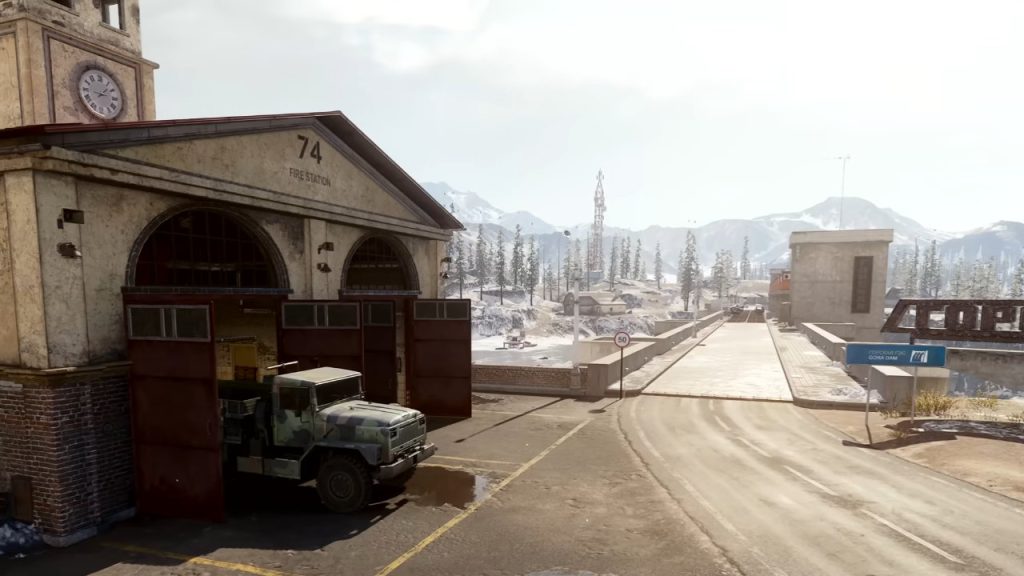
The target audience must be clearly defined and actively addressed
Call of Duty has always been a game for casual players. For a time, it felt like everyone you knew played the latest CoD. Most of them only played occasionally and were never really good. Nevertheless, as a group of friends, you had fun, and it was completely normal if there was a superstar on the opposing team who dominated the whole lobby. But everyone belonged to the same community.
Today, there are two camps in Call of Duty:
- The casuals who only play a few rounds occasionally.
- The hardcore gamers who play daily and belong to the top 5-10%
The problem is that both sides have partly different views and needs, and Activision is trying to cater to both fronts – and in the end, everyone is dissatisfied. Black Ops 7 is the perfect example.
After years, there is finally a mode with reduced SBMM, but at the same time, the Omni-Movement has been expanded with wall jumps. Personally, I am a huge fan of the Omni-Movement, but I can completely understand if a casual player sees this and says: “No way, that’s too much. No interest.”
With a strong campaign, they could have certainly attracted some casual players, but instead, that was among the biggest weaknesses of BO7. The absurdly futuristic setting received little appreciation in the first trailers and was strongly criticized by players.
The high purchase price, the discouraging changes to the multiplayer for casual players, ongoing problems from predecessors, and the uninteresting campaign for many players led to part of the community sitting this year out.
Many hardcore gamers have actually enjoyed Call of Duty this year and praise Black Ops 7. However, this doesn’t mean much if the core of the community is avoiding the game.


Battlefield 6 has shown the way
The challenge that Call of Duty now faces has already been overcome by its biggest competitor: Battlefield 2042 failed, the community’s mood was bad, and many players wished that the series would return to the glorious times of Battlefield 3 or 4.
With Battlefield 6, EA has managed to convey exactly this feeling and also improve the community mood.
The game is, like its predecessors, strongly geared towards casual players. Nevertheless, many hardcore gamers and especially veterans of the series enjoyed the latest installment. The Battlefield Labs – a testing environment where long-time players could provide feedback before release – was a great help.
Battlefield 6 is not perfect, and the next Call of Duty doesn’t have to be either. But players want to be heard and understood. And if casual players, i.e. the large majority, are having fun again, hardcore gamers will also enjoy it – at least to some extent.
From my own experience, I can say: As someone who plays a game for hundreds or thousands of hours, you are never fully satisfied. You play so much that you know every problem and have experienced it a hundred times. You continue to play because you like the fundamental game mechanics. Something like the reduced SBMM mode in BO7 is – if implemented correctly – a win for both sides.
- Hardcore gamers are happy because at least an attempt is made to help them.
- Casual players who do not want open matchmaking can still play the old mode as usual.
They have already shown that they understand the community, and now they can build on that: Open communication with players, listening to the community’s wishes, and also testing instead of stubbornly following their own path.
The previous release plan has certainly contributed to Call of Duty being in this situation now. However, if Activision wants to convince us that two Black Ops in a row would have been the only problem, they misunderstand the much more fundamental issues of CoD.

Your opinion is important to us!
Do you like the article? Then let us know!