
Activision Blizzard brings together the brands Call of Duty and Overwatch under one roof, but they could hardly be more different in some respects. This is especially true when it comes to matchmaking – CoD has been silent for years, Overwatch 2 currently provides deep insights.
Call of Duty has been silent for years regarding matchmaking. Is it skill-based? How important is a good internet connection, how important is my play region? Quite simple questions that CoD has not clearly answered for years.
The term “SBMM” – skill-based matchmaking – has become a kind of battle term in the community. The uncertainty surrounding this system has led players to even suspect that there is skill-based damage. Meaning: Those who are too good deal less damage.
The little cousin Overwatch 2 from Blizzard is now showing the huge shooter franchise from Activision how easy it can be to dispel such concerns. At least when there is nothing to hide.
Overwatch explains its matchmaking, and MeinMMO shows you the details. The information comes from a developer blog – the first of two texts that focus on the matchmaking of the shooter (via overwatch.com).
If you also want to know something about the newest hero Ramattra, start the video:
Overwatch 2: It’s all about the MMR
What is the goal of matchmaking? The stated goal is fair matches across all game modes. The developers know that this is not always possible or functional. But this is what the matchmaking is based on.
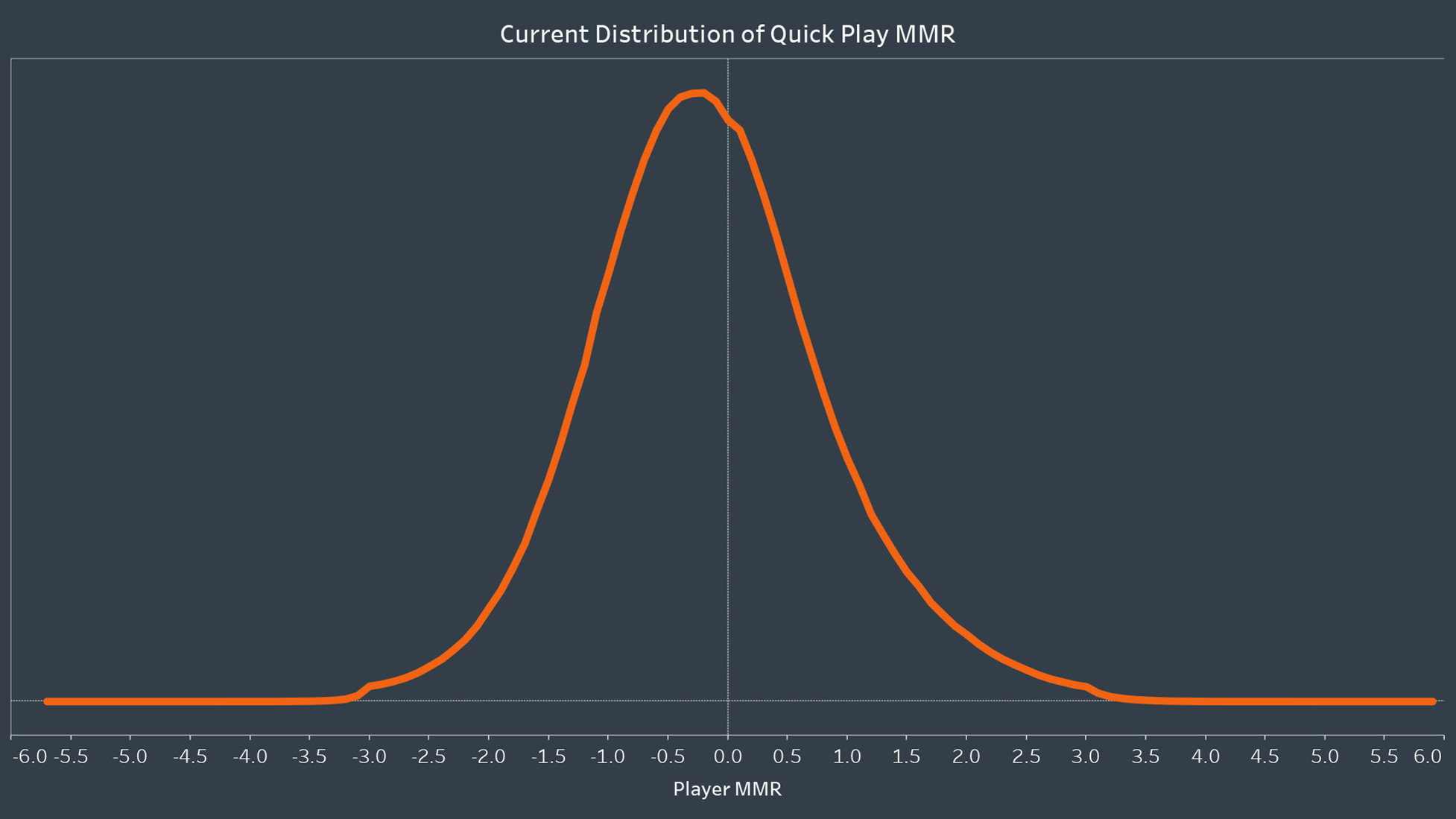
How is it realized? In Overwatch, everything revolves around the “Internal Matchmaking Rating” or MMR for short. Players with similar values come together in a match.
The developers clarify: In Overwatch, matchmaking is based solely on your MMR. It doesn’t matter in which division you play in ranked mode – the matchmaking is based only on the MMR. The promotions and demotions in ranked have other rules.
The MMR is constantly changing, even when you’re not playing – or especially then:
- MMR is determined by your wins / losses
- MMR rises / falls relative to all other players – if everyone improves / worsens, then you fall / rise
- MMR decreases if you haven’t played for a long time
The most important factor you can influence is your wins and losses. The blog does not make it entirely clear whether other factors play a role here, such as headshot rate, healing amount, or kill/death ratio. Possibly a topic in the second blog about matchmaking.
It is important how the MMRs of your opponents look. In the theoretical case that all 10 players have the same MMR, nothing changes in all ratings. You need to play against better opponents to increase your MMR.
Your MMR can also rise if the overall skill level of the players decreases. If all others (on average) perform worse and you do not play, then your MMR still increases.
The third point explains the matchmaking chaos that often occurs after the start of new seasons or the introduction of new heroes. If you stay away from Overwatch for a long time, your MMR drops. Many players start who actually come from a different MMR.
If you want to improve in Overwatch 2, our extensive hero counter list will help you:

Groups receive skill mirrors, beginners “win guarantees”
What about groups? Here it is made clear that it is a complicated and technical topic. In the coming months, further improvements are to be made to counter unfair and one-sided matches.
The plan: Each team member should play against a kind of skill mirror. If you have a strong tank on your team, the opponent’s tank should have a similar level. A healer with low MMR should also face a similar healer on the other side.
However, it can still happen that the combined MMR is further apart than usual.
What about newcomers? The goal is to allow newcomers to have a win ratio of 50% and to build the matchmaking accordingly.
To achieve this, newcomers have been given an MMR at the ranked level of the lower silver ranks. However, analyses have shown that this value was set too high. Now the value is more like Bronze 5.
To then quickly determine the actual MMR, the first matches are weighted more heavily until the win ratio approaches the targeted 50%.
However, the developers do not disclose how many matches fall into this newcomer phase in the blog.
Overwatch 2 lays its cards on the table, but has always been more open with its matchmaking systems than Call of Duty. However, many players of the CoD franchise would wish for such a blog to be made for Warzone or CoD MW2 as well.
With Call of Duty, one can only consult analyses from experts who keep their own statistics on matchmaking. The guideline here is that matchmaking should keep you in the game for as long as possible.
Comprehensive information on CoD matchmaking can be found here: CoD Warzone: All information on SBMM – function, tricks, and problems with matchmaking