The Elder Scrolls Online has a long and turbulent history. From its release in 2014 to the first new chapter expansion Morrowind, a lot has happened in online Tamriel. Read here in our ESO timeline about the most important events in The Elder Scrolls Online.
The Elder Scrolls Online launched in 2014 as a mix of World of Warcraft and Skyrim. It aimed to please both fans of online role-playing games and single-player advocates. Unfortunately, the game failed to satisfy both target groups at that time. The MMO players found it lacking in online role-play elements, while the single-player faction was annoyed by the many “annoying” MMO elements.
Recommended editorial content
At this point you will find external content from YouTube that complements the article.
I consent to external content being displayed to me. Personal data can be transmitted to third party platforms.
Read more about our privacy policy.
But lead developer Matt Firor and his team at Zenimax did not give up, listened to feedback, and continued to develop the game until it became a success. What has happened on this long journey from near flop to MMO hit can be read in our ESO timeline.
The Year 2013 – The ESO Concept Takes Shape
Before The Elder Scrolls Online was released, there were already rumors and speculation about the upcoming travel MMO. Back then, the release date was announced, and the console launch was also expected to happen soon.
The head of Zenimax, Matt Firor, spoke for the first time about the release date of The Elder Scrolls Online. It was announced for April 4, 2014. The console versions were supposed to be released just two months later, in June.
The Year 2014 – Launch 2014, Glitches, Problems, and Delays
In 2014, ESO was released, but soon disappointment set in. The anticipated MMO hit that was supposed to excite solo players was neither here nor there and suffered from bugs and problems.
The release of the console version had to be postponed, and the new Kargstein region did not really convince many players. After the initial hype around the game, disappointment soon set in.
ESO received mixed reviews after the first closed beta test. The phasing, which was overly radical at that time, was criticized, as were lags in the combat system. Missing comfort features like a minimap were noted negatively. Some testers would have preferred a multiplayer mode for Skyrim instead of an MMORPG.
The Elder Scrolls Online finally launched, but many players encountered issues on launch day. The high influx overloaded the megaservers and caused queues lasting for hours.
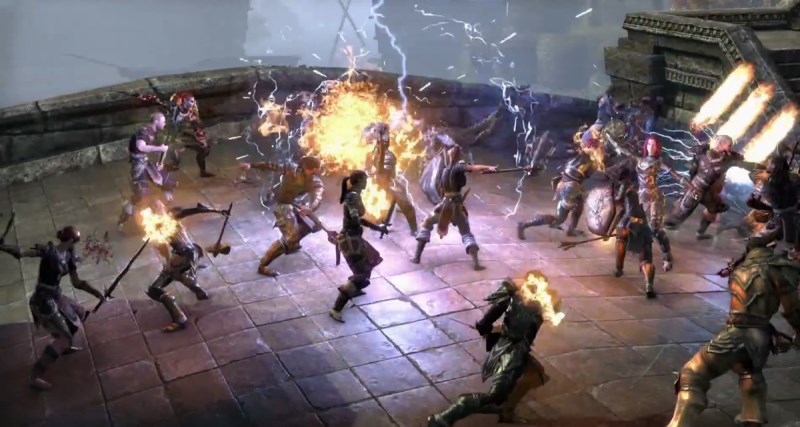
The launch of ESO did not go smoothly. Even the weekend after the release on April 4, problems persisted. In PvP, bugs occurred during group searches, necessary subscriptions could not be completed, and rare enemies were massively farmed.
Numerous problems like dupe exploits, gold sellers, bots, and bugs significantly diminished the gaming experience of ESO. Therefore, ESO head Matt Firor reached out to the players and promised improvements.
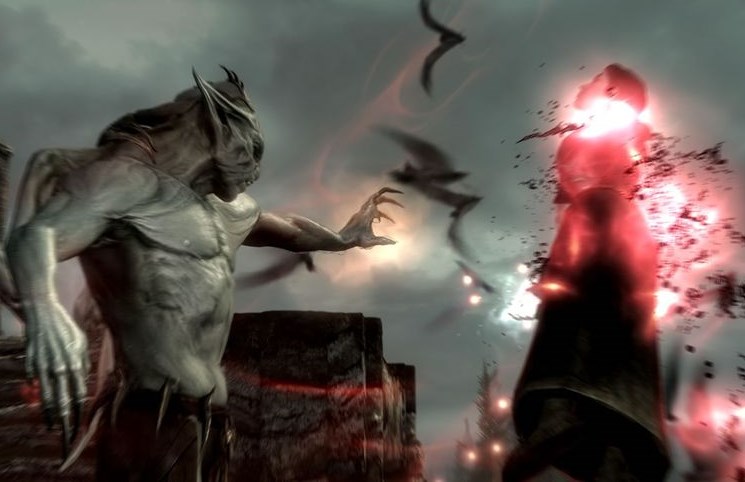
Vampires were once far too strong in ESO. They dealt a lot of damage with spells and could heal themselves with their ultimate skill faster than one could bring them down. Thus, vampires were completely OP in PvP. Only later, with update 1.5, were vampires sufficiently nerfed to make them fair.
The console versions for ESO were originally planned for June 2014, but since the Zenimax team encountered several issues, the versions for PS4 and Xbox One were delayed by at least six months.
The first raid region Kargstein launched on the ESO servers at the end of May 2014. Back then, you could only enter as a raid team of 12 and race against other groups to defeat the big bosses there.
Also, the new release date for the console versions of ESO could not be kept at that time. It would take another half year before ESO finally also released on the consoles.
The Year 2015 – ESO Grows, Console Launch, and the First DLCs
The year of the release was not great for ESO, but that was supposed to change in 2015. The subscription model was dropped, turning ESO into a Buy2Play game.
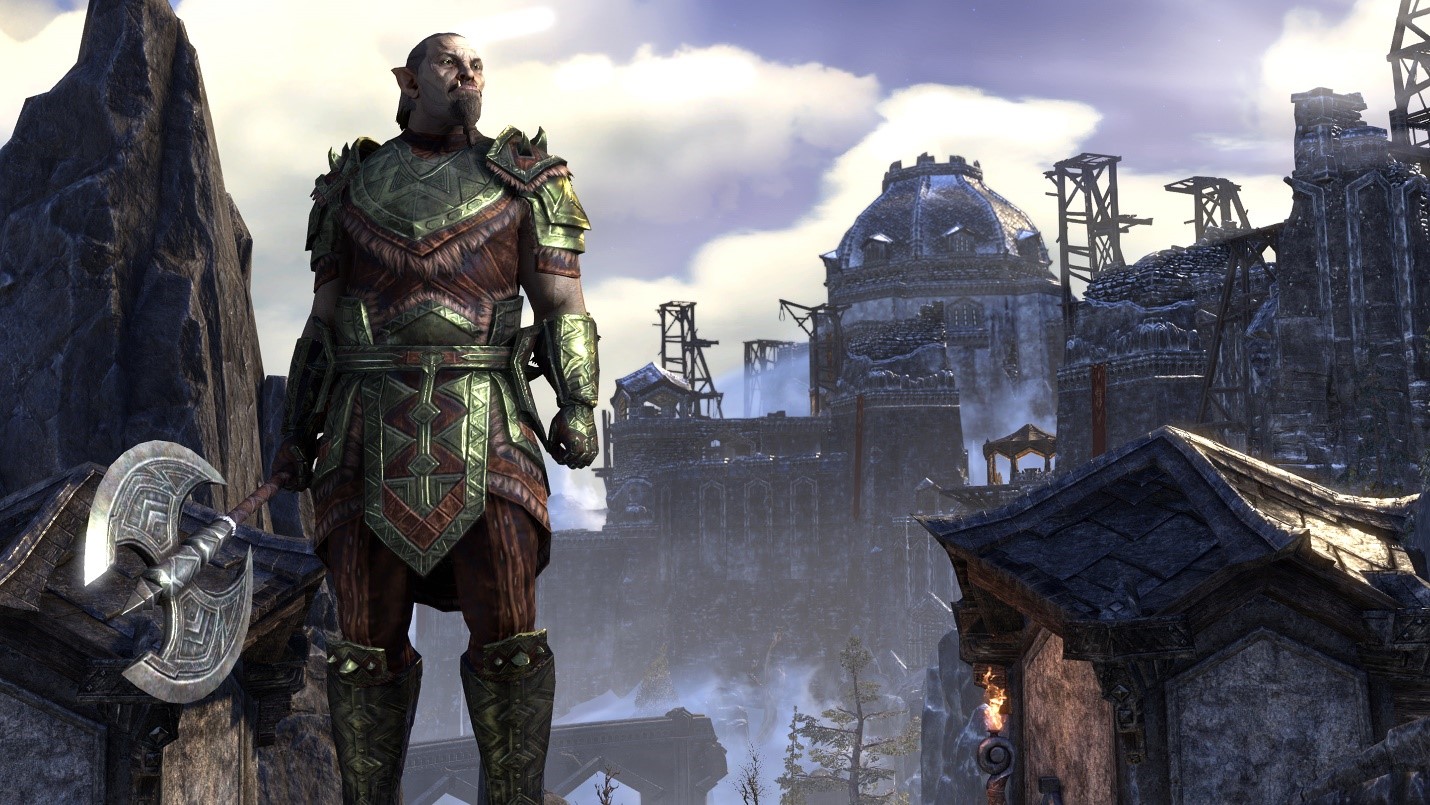
Moreover, the now successful DLC expansions were introduced this year, including the highly praised new story about the Orc land Orsinium. With the console launch, ESO then began to see an upswing.
With update 6 came the long-awaited legal system and the ability to assassinate or steal from NPCs. This feature had always been a typical characteristic of the Elder Scrolls games, and its absence in ESO was sharply criticized since release. However, now that one could kill innocent NPCs, the game received a higher age rating.
In mid-March 2015, ESO transitioned from a subscription game to a Buy2Play title with a cash shop in less than a year. Those who purchased the game could now play it as long as they wanted without further subscription fees.
The launch on the consoles Xbox One and PS4 finally took place – more than a year later than planned. Unfortunately, the start on the consoles was not optimal; there were again issues with logging in and long queues. But at least the versions for PS4 and Xbox One were finally here. At that time, the later success on these platforms was hardly predictable.
In September 2015, the Imperial City was released as the first regular content DLC for ESO. The Imperial City featured a uniquely blended mix of PvE and PvP. Contrary to other assumptions, even PvP-refusing players could access the capital and face new dungeons and challenges there.
The second DLC, Orsinium, is released and impresses with its great story about the reconstruction of the Orc kingdom. In addition, there was a new region with its own quests and challenges. For many fans, this DLC became the new highlight of storytelling.
The Year 2016 – The “Skyrimming” of ESO Brings Success
After 2015 laid the groundwork for success, Zenimax continued with this concept. The recipe for success was “More Skyrim, Less WoW.” Therefore, the popular concept of DLC expansions with the Thieves Guild and the Dark Brotherhood was continued.
Additionally, the annoying veteran ranks in the endgame were finally removed and replaced with a more useful progression system. However, the biggest innovation was “One Tamriel,” which largely abolished level and faction barriers and made ESO finally an online Skyrim.
The third DLC, “Thieves Guild,” released and brought a group finder and a new raid. In the “Lorkhaj’s Maw,” players fought against killer space cats, and there were cool new loot to win. Additionally, new skills for thieves were introduced.
At the end of May 2016, the tedious veteran ranks in ESO were finally abolished and replaced with the current champion system. Also, the assassination DLC “Dark Brotherhood” was released. This DLC returned to the Gold Coast, the setting of Oblivion. Additionally, new skills for assassins and bloody missions from the Dark Brotherhood were introduced.
Matt Firor spoke again about The Elder Scrolls Online and mentioned player numbers. Based on the sold copies, there are over 7 million potential ESO players.
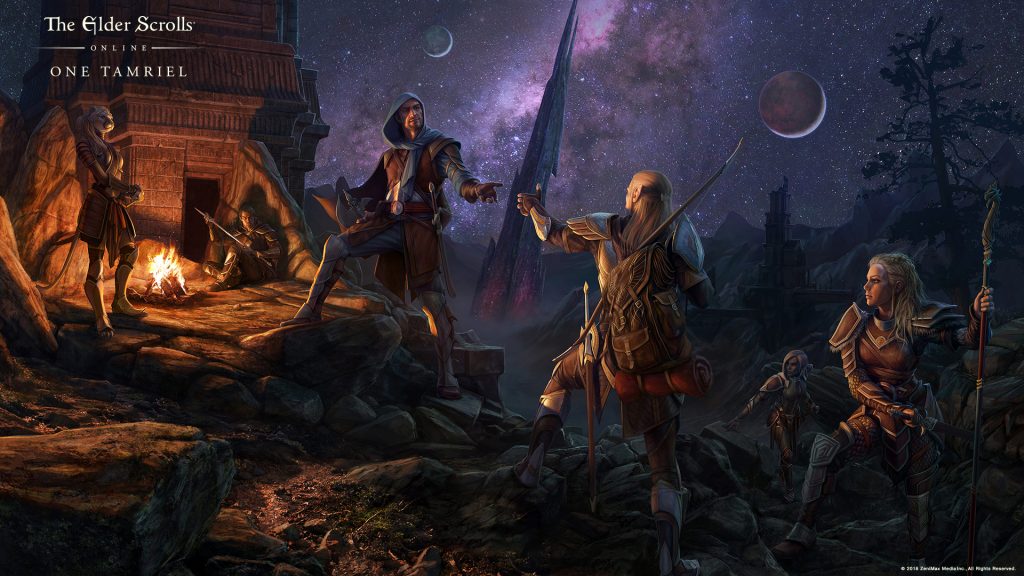
One Tamriel, the most significant addon for ESO, was released in early October 2016 and changed the entire game. From now on, players could explore all regions regardless of their level and allegiance. ESO finally became an online Skyrim over two years later.
The Elder Scrolls Online now had more players on consoles than on PC! Two-thirds of the player base played on Playstation 4 or Xbox One. A success that hardly anyone could have predicted at that time.
Shortly before Christmas, the controversially discussed lootboxes in ESO were released. For real money, players could acquire crates with randomly selected contents. Many players complained about the high prices and the element of chance.
Is ESO still worth it? And how has One Tamriel changed the game? We revisited The Elder Scrolls Online.
The Year 2017 – On to Morrowind!
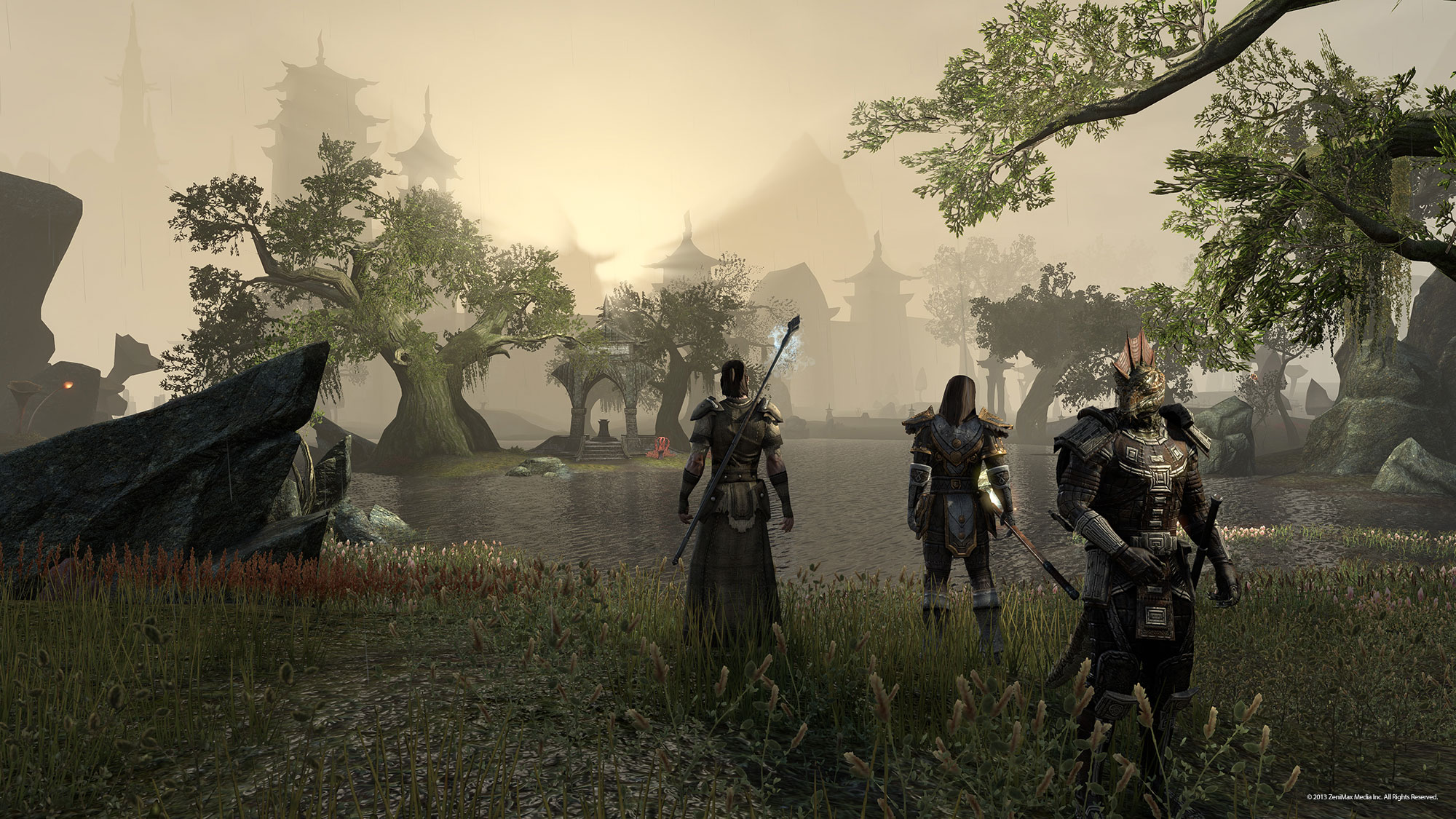
After a very successful year in 2016, Zenimax recorded even more sales at the beginning of 2017. Additionally, the long-awaited housing addon Homestead finally arrived. However, the big news in 2017 was Morrowind, the first major chapter expansion where players revisited the well-known island of Vvardenfell from the legendary The Elder Scrolls 3.
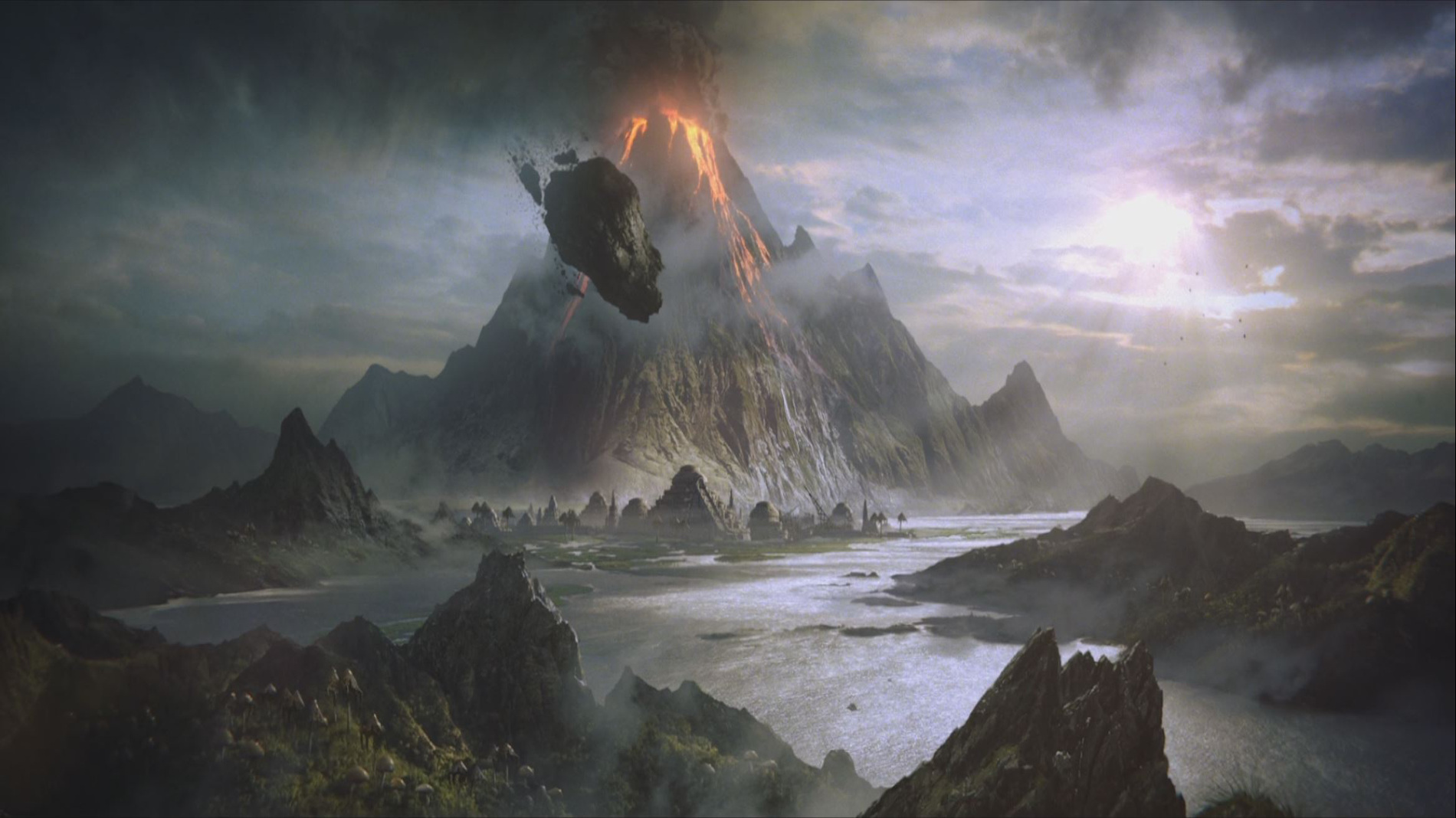
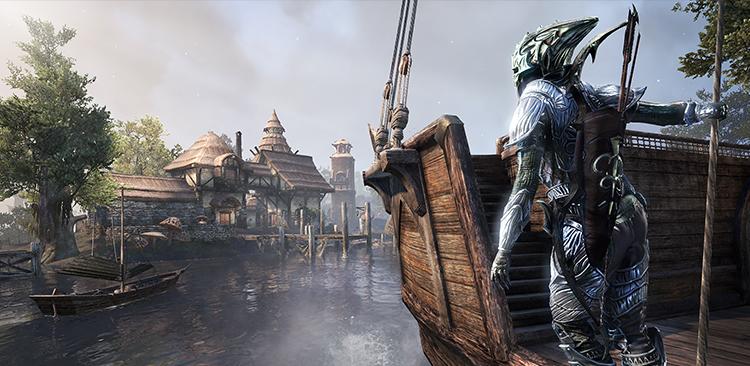
The first major stand-alone addon for ESO was announced. It goes to Vvardenfell in Morrowind! This island was the setting of the legendary The Elder Scrolls 3: Morrowind in 2002, the first truly good game in the Elder Scrolls series.
The housing addon Homestead finally brought player houses and furnishings into the game. With housing, The Elder Scrolls Online finally had all the elements that make a proper Elder Scrolls game.
In February 2017, over 8.5 million players were said to have purchased ESO. The more content that came, the more successful The Elder Scrolls Online seemed to become.
We were able to play The Elder Scrolls Morrowind in the closed beta and wrote an experience report about it. Even at this point, it can be said: Morrowind will be a great new chapter for The Elder Scrolls Online.
Schuhmann took a thorough look at the new chapter of ESO in early access, but overall, he was disappointed. For him, Morrowind is more of a story DLC than a major expansion. The new chapter brings too few relevant gameplay changes and relies solely on the great story and nostalgic atmosphere.
To take down opponents in PvP like a Morag Tong assassin, you need a powerful PC. Therefore, we present the mighty Rogue PC and the Ninja Gaming Laptop. Also included is a full version of The Elder Scrolls: Morrowind for free!
After we already had a review of Schuhmann on The Elder Scrolls Online Morrowind, Jürgen also chimed in with a review of the ESO chapter Morrowind. For him, Morrowind is the optimal addition to The Elder Scrolls Online.
Perfekt für Einsteiger. Erleben Sie die Hauptgeschichte in der riesigen Welt von Tamriel; Enthält Morrowind. Das riesige Kapitel führt Sie zurück auf die Insel Vvardenfell
The Elder Scrolls Online: Royal murder in the Imperial City or returning dragons in Skyrim – the last decade has impressively demonstrated that there is no shor...


![The Elder Scrolls Online: Morrowind [PlayStation 4]](https://m.media-amazon.com/images/I/51+XPCr2wPL._SL160_.jpg)
![The Elder Scrolls Online: Morrowind [Xbox One]](https://m.media-amazon.com/images/I/51ZsWZskLOL._SL160_.jpg)
![The Elder Scrolls Online: Morrowind [PC]](https://m.media-amazon.com/images/I/51CSVy5fvtL._SL160_.jpg)