

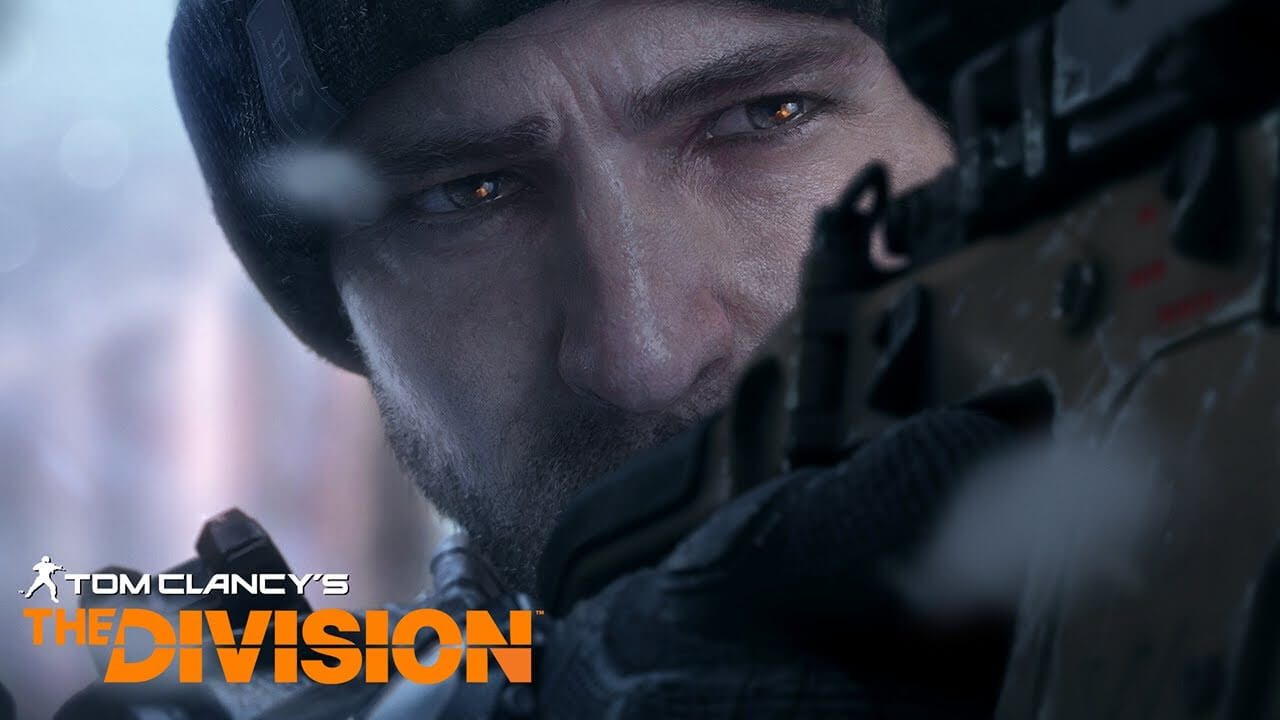
Much trouble around The Division lately. Graphic downgrades, DLC issues, and enemies that soak up entire magazines of bullets. Should we care? A commentary.
In less than two months, it will be here. For the past three years, Massive Entertainment has been working on the new role-playing shooter The Division. In recent days, tons of new information have emerged, leading to controversial and heated debates among the player base. Is everything exaggerated or is it just another hype bubble releasing a lot of hot air? A commentary.

Game developers have a tough time these days. The costs of developing an AAA game are skyrocketing, while the active player base has increased significantly in recent years. While games used to be solely the domain of hardcore gamers, the landscape has become more diverse. Game companies must perform a balancing act to appeal to both hardcore and casual gamers. This is difficult to achieve in practice, often leading one side or the other to voice their frustration loudly.
When the increasingly popular paid game content (DLC) and faulty communication from developers/publishers come into play, it creates a situation like we experienced back then with Destiny and now with The Division. But let’s go in order.
Managing player expectations – Failed
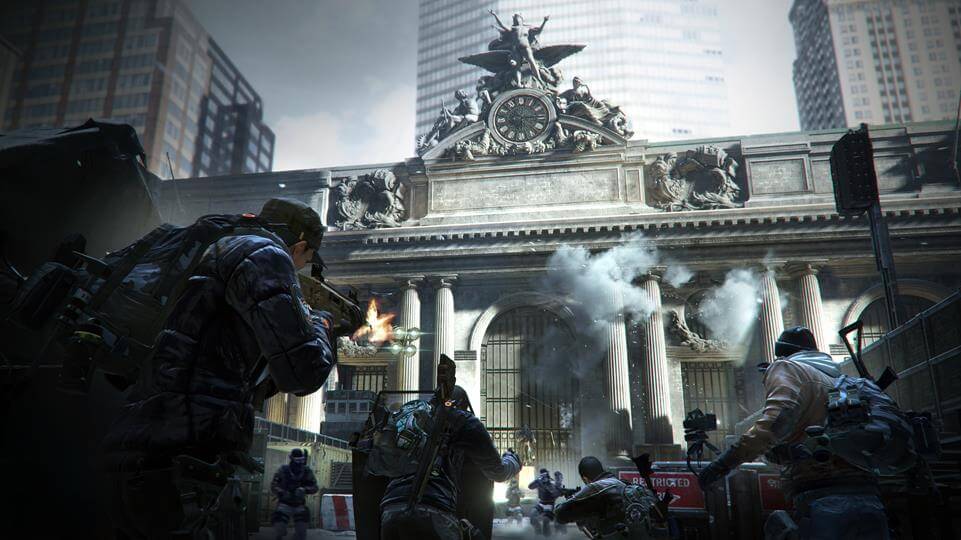
The trailer shown at E3 2013 for The Division hit like a bomb. Especially the interaction with the environment and the dynamic light and shadow play caused sheer excitement among players. The hype that followed was fueled by the manufacturer and Ubisoft itself, praising its own graphics engine and promising unprecedented immersion.
Newer game footage reveals that the graphic level of then cannot be maintained on consoles at least. No one should be surprised; consoles cannot come close to current high-end computer systems. Unfortunately, Ubisoft has forgotten to communicate this clearly and transparently. Consequently, players are frustrated because they were promised something else.
Is this understandable? Absolutely. Will the player experience and immersion suffer? I say no.
Reducing a game solely to its graphics is the same as reducing a car to its appearance without considering factors like driving pleasure, reliability, safety, and fuel consumption. The fact that graphics are not a pure indicator of immersion is evidenced by the fact that even text-based role-playing games captivated players back then, or that even today, the almost twenty-year-old Final Fantasy VII still has legions of fans, as the announced remake impressively shows.
On the next page: What about Brooklyn? And why are enemies such bullet sponges

Your opinion is important to us!
Do you like the article? Then let us know!