

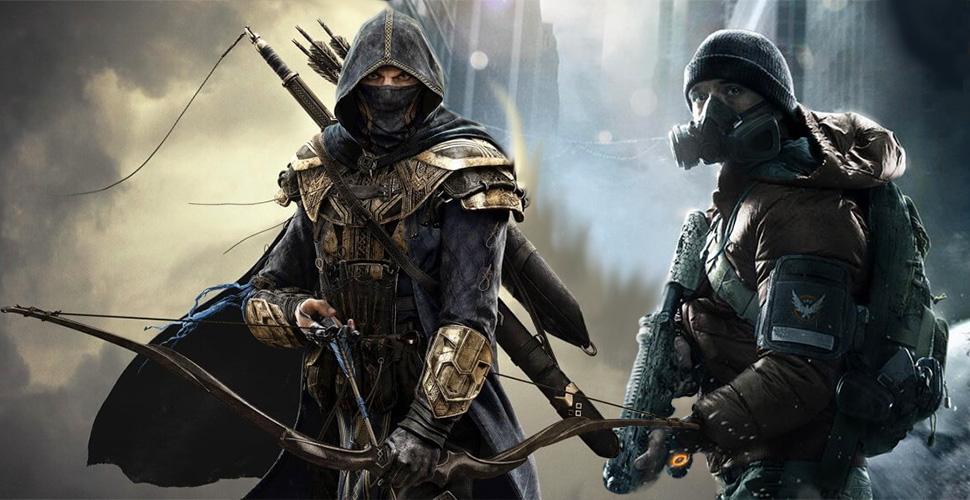
Have you ever noticed how many parallels and similarities there are between The Elder Scrolls Online (ESO) and The Division?
Check out how many similarities exist between The Elder Scrolls Online and The Division:
- Both games had a difficult development phase: The Division was delayed multiple times; the planned console port for The Elder Scrolls Online was dropped at launch. An employee later said it felt like everyone was working on different games without a shared vision.
- Both games came out in spring, an unusual release window – ESO on April 4, 2014, The Division on March 8, 2016
- Both games are part of a larger franchise, which brings them early acclaim but also incurs high expectations.
- Both games face mixed reviews and reactions upon release – both games praise the atmosphere and story but criticize technical issues and wonder whether an endgame is present.
- Both games have genre giants in WoW and Destiny ahead of them, with which they are compared while trying to distance themselves and find their own identity.
- Both games functioned excellently as single-player games but struggle in the multiplayer aspect
- Both games have a clear story to the maximum level, but the transition to the game afterwards, when the respective end boss is defeated, is problematic and many players drop off.
- Both games experienced extreme technical problems with bugs and balancing in the initial phase – ESO faced a dupe bug, while The Division had a backpack bug that excluded players – in ESO, vampires run amok, while in The Division players can exploit game mechanics left and right – in both games, it appears that the mechanics are too complex to control.
- Both games rely exclusively on an open PvP system that never fully works. ESO promised structured PvP early on but has not delivered it until today. The Division is set to introduce “structured” PvP with the next Patch 1.6.
- Both games fall into a deep pit some months after release. Hardly anyone cares about ESO and The Division anymore, even though both games continuously provide new content in the form of DLCs and updates.
- Both games call fans for a meeting where they lay their cards on the table to save the game. This happens for both games about 6 or 7 months after their release. For ESO in October 2014, for The Division in September 2016. This point has later been described as healing and important. For ESO, it was called the “Guild Summit”, for The Division “Elite Task Force.”
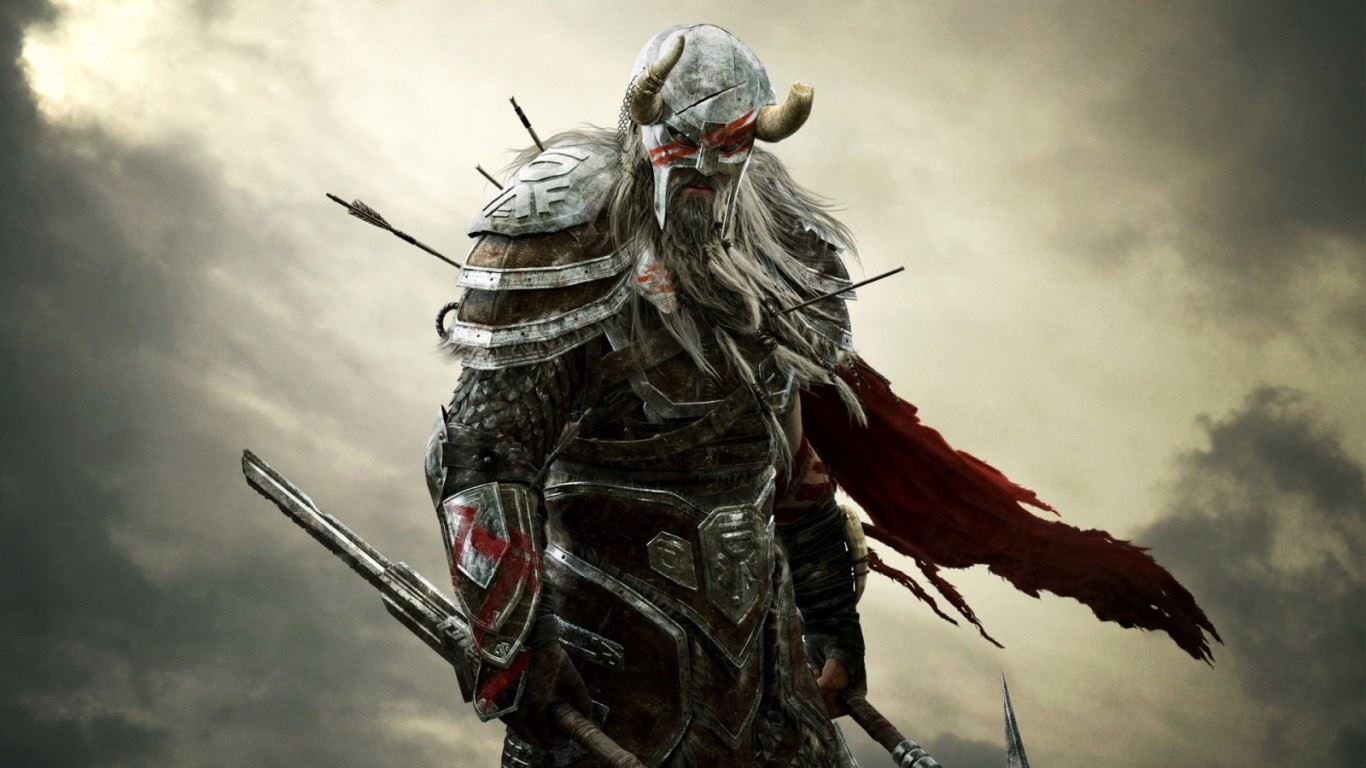
- After the meeting, ESO separates from some old concepts like veteran points, introducing new gameplay systems. Later, it adopts scaling with One Tamriel. Massive completely overhauls the endgame with world ranks, also implementing scaling.
Here the paths diverge – The Division is at the point of developing and introducing new concepts. The Elder Scrolls Online was ahead of this more than 2 years ago.
After that, ESO underwent a quieter phase in which the game was revamped. The Free2Play transition in March 2015 and the console release in June 2015 marked a turning point. Since then, there have been hardly any negative news from Tamriel. However, it took a long time for the changes decided in the first year to be implemented.
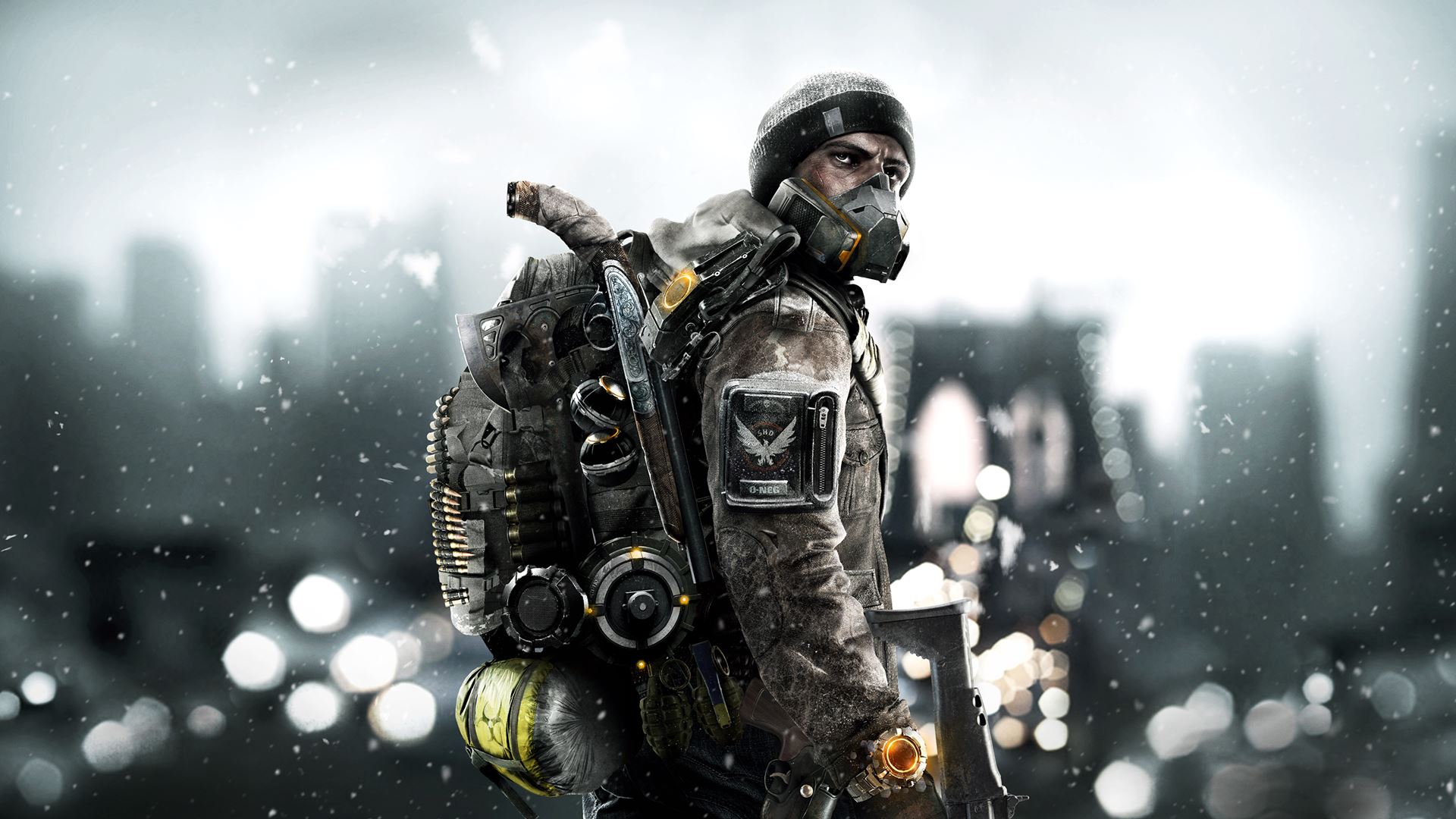
A significant point like the console launch is still missing for The Division. They are already out on consoles. However, the news in the months after the meeting with fans have also become significantly more positive for The Division.
The Division: Hope for a turnaround is there, but it requires patience
Perhaps these parallels to ESO can give fans of The Division hope that the second year of the shooter will be better, just like it was for the MMORPG. But: Even The Elder Scrolls Online required quite a bit of patience. Games of this size are battleships, not nimble boats. Course changes take several months and a lot of work to show effect.
Also interesting: In this article, we explore the differences in post-release development between The Division and Destiny:
The Division does not benefit from DLCs as much as Destiny – This was the interest after release

Your opinion is important to us!
Do you like the article? Then let us know!