

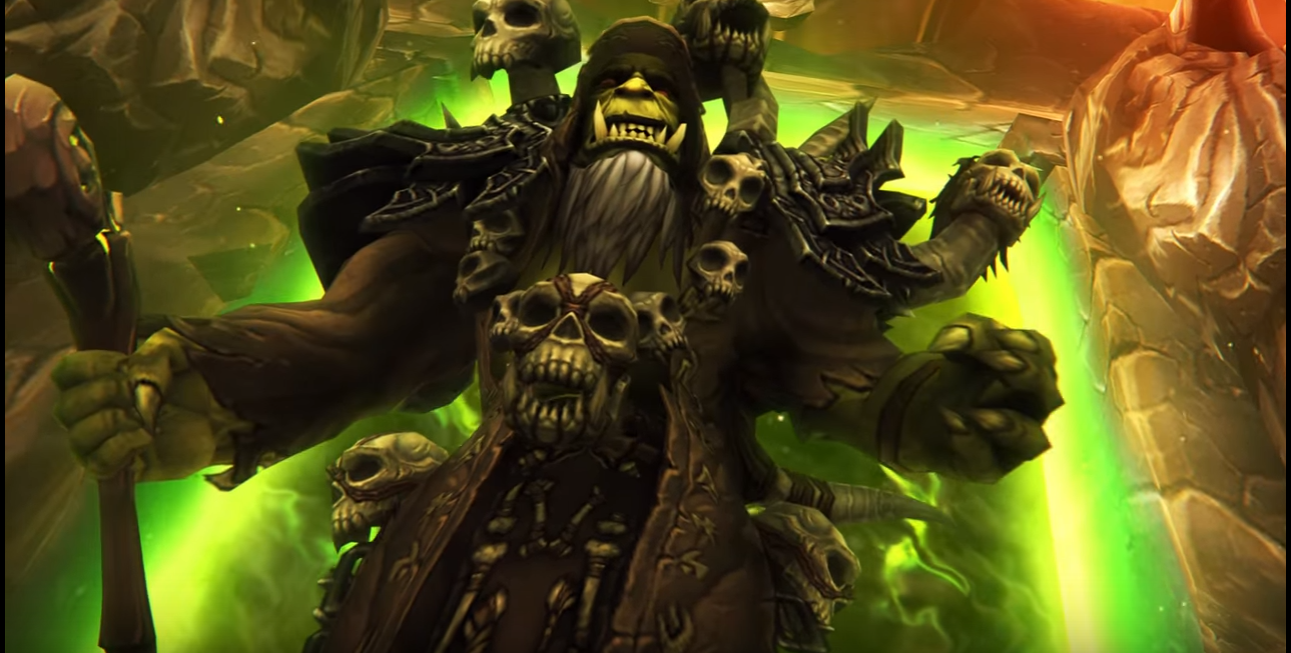
The upcoming Patch 7.3 for World of Warcraft: Legion brings new gear, new sets, and improved relics for the “big characters” as well as an upgrade for the smaller ones. Through a mission in the Order Hall, you can earn a new heirloom for your twinks.

The Man‘ari Training Amulet joins the existing number of neckpieces. However, it does not restore health when used, unlike the other heirlooms of this slot. Instead, it drains 10% of health and increases movement speed by 40% for 10 seconds.

What is it good for?
Since it has a five-minute cooldown, it isn’t really useful for movement. However, it is likely intended for the same situations where other heirloom neckpieces are used. When entering a fight that turns out to be fatal, this necklace allows you to quickly escape instead of restoring a portion of your health and dying seconds later.

However, it also has the additional, pleasant advantage that it can make travel easier. When you need to travel from point A to point B, often there’s a forest or something similar in between. It often happens that a pack of wolves finds it amusing to knock the little low-level character off their mount. The Training Amulet should make this a smaller problem.
And where do you get it?
The neckpiece is available by completing the mission “Attack on the Felfire Armory” at the mission table of the Order. The mission costs 100 resources and will take 16 hours (without bonuses). The required item level for the participating champions is 950.
It is not yet known if the necklace is already upgraded to level 110 when you receive it. However, it can definitely be upgraded, like all other heirlooms.
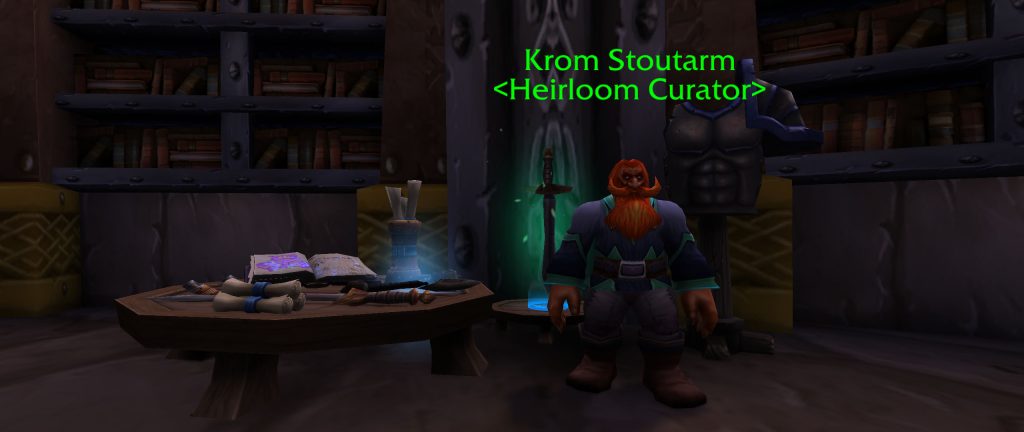
If you haven’t dealt with this yet: You can buy tokens from Estelle Gendry in Undercity (for the Horde) and Krom Strongarm in Ironforge (for the Alliance) that upgrade heirlooms from level 100 to level 110. For weapons, these cost 7500 gold, while for armor, shields, off-hand weapons, rings, neckpieces, and trinkets, the cost is 5000.
What do you think, does the neckpiece have any use for twinking? Does it perhaps fill a niche? Or is it, like all heirloom neckpieces, “just there”? Let us know in the comments.

Your opinion is important to us!
Do you like the article? Then let us know!