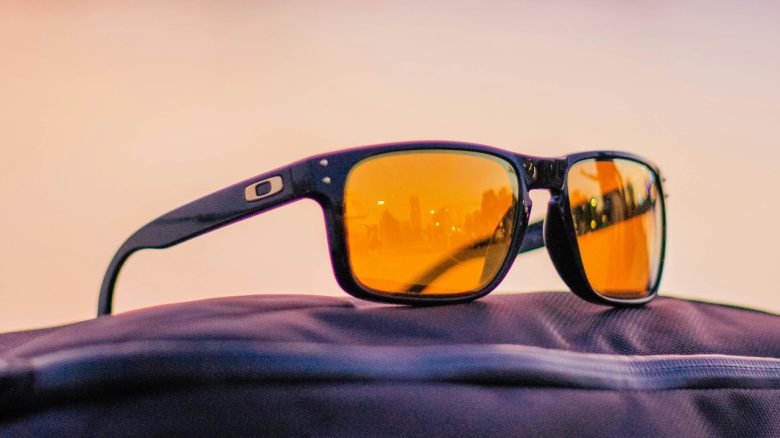
Thanks to a pair of Meta glasses with a camera, an AI, and a smartphone, students demonstrate how quickly anonymity can be lost on the street.
The cover image is a symbolic image.
How did the students do this? Students from Harvard University set out to show what can be done today with the combination of modern, publicly available technology. The goal: to warn about the dangers.
They recorded randomly selected passersby using the Meta glasses and only seconds later knew many personal details of most of them – name, age, address, origin, employer, and so on. The students describe their project named I-XRAY
in detail in English in this Google Docs document.
Far less harmless, although at first glance quite suspicious, are USB sticks that protrude seemingly at random from house walls. But behind it is an art project:
Meta glasses, AI, computer, and smartphone
How did the spying trick work exactly? The Meta glasses (via Apollo) are equipped with a camera. The students filmed randomly selected students while walking. The images were displayed via Instagram live stream on a nearby computer. Here, an AI similar to ChatGPT analyzed the footage using facial recognition.
It matched the data with publicly available websites, databases, and social networks. This way, in most cases, numerous details appeared on the students’ smartphones within seconds. An app was running that maintained continuous connection with the AI.
What data did the students obtain? Aside from the name and address, additional details about the lives of the scanned individuals often surfaced, for example:
- Engagement of a man from India who advocated for the Muslim minority there.
- The long-term work of an elderly woman in a charity organization.
- Names of relatives
- Completed educational trips
- Parts of the
Social Security Number
(similar to our identity card number) - And generally dozens of long-forgotten photos


What can we all learn from this? We cannot really protect ourselves exhaustively against such cleverly combined technology. The only way to ensure that you contribute as little as possible to the surveillance of your own life is to be cautious. Think about it when you share personal data publicly online. Is it really necessary? Who can see all of this? Especially photos labeled with names that connect you to situations, places, or other people can become a problem.
In combination with data from criminal leaks, this can create a frighteningly comprehensive picture of your life, including friends, colleagues, and family.
Artificial intelligence can do a lot, it can even assist in cheating during state exams. What a candidate for a university career was allegedly trying to do during a state exam will likely follow him for life: Because his cheating attempt with a camera, mobile phone, and AI failed, but the police were quite impressed.