


The survival game The Day Before (Steam) is widely discussed. Some players believe the title is a scam and will never be released. Now, the developers have spoken in a statement about the spread of misinformation.
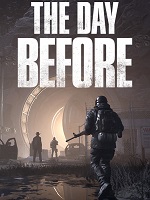
What kind of game is this? The Day Before is a survival game where you fight for survival during a zombie apocalypse. In addition to the struggle for survival against zombies, battles against other players will also play a significant role, as PvP is an important component of the game.
The survival title was, alongside Hogwarts Legacy, the most wished-for game on Steam for months, but in January The Day Before suddenly vanished from the platform.
Why do people think the game is a scam? The assumption that The Day Before is a scam and that the game will never be released is based on various factors.
- On one hand, there is the first gameplay video that looked incredibly good but did not seem authentic. Players commented on the The Day Before trailer saying “It looks too good to be true”.
- Additionally, the release has been postponed multiple times. The Day Before was supposed to be released in June 2022, then on March 1, 2023; meanwhile, November 10, 2023, is now being mentioned as the release date.
- The last release postponement was justified by copyright issues, which raised further doubts (via Twitter).
- Even the latest gameplay trailer could not alleviate the accusations. The shown scenes were disappointing and looked significantly less interesting than the first trailer. Players referred to The Day Before as a “walking simulator” thereafter.
The gameplay video, which players called a “walking simulator,” is embedded here:
What do the developers say? In a new statement on Twitter, the developers of The Day Before now address the spread of false information and how it affects their team but also other indie developers affected by similar experiences.
Moreover, they announced that after the release of The Day Before, they will think about how they can help young developers cope with the spread of false information.
A German translation of the statement can be seen here:
We all live in a time of disinformation and a lack of fact-checking. Anyone can say anything for their views, and anyone will believe it. Disinformation must be addressed because it can harm not only us but also other indies and small/mid-sized studios. It also has psychological effects on the members of such teams. After the release of The Day Before, we will consider how to help inexperienced developers deal with fakes and provide resources for it.
“The Day Before” developer Fntastic via Twitter
What reactions are there to the statement? On Twitter, some users are responding to the statement and discussing what might have gone wrong in the case of The Day Before and Fntastic.
- Blakwoods: “The solution to this problem is a good marketing team. If not, then you need to be more transparent and communicate better with the community. If you look closely, The Day Before was the most desired game, so people are supporting you, the problem lies in your communication.”
- Fntastic: “Thank you! We will improve communication and create more transparency (via Twitter).”
- TastelessNobody: “Maybe you should release some information or news sometimes and not keep quiet for a year and a half and only deliver a gameplay video, then there won’t be any misinformation.”
- Fntastic: “We do not have a marketing department. All our resources go into game development. But we will improve communication, thank you (via Twitter).”
Other Twitter users continue to discuss under the statement about the lack of evidence that the game even exists, suggesting, for example, holding a livestream from within the studio while the developers are working on the game. In general, the communication and transparency of the studio are viewed critically.
Similar criticism as on Twitter was also expressed by some MeinMMO readers. For instance, 30% of you stated that you believe The Day Before is a scam:
New survival MMO on Steam looks like the next big hit – but you don’t trust it

Your opinion is important to us!
Do you like the article? Then let us know!