

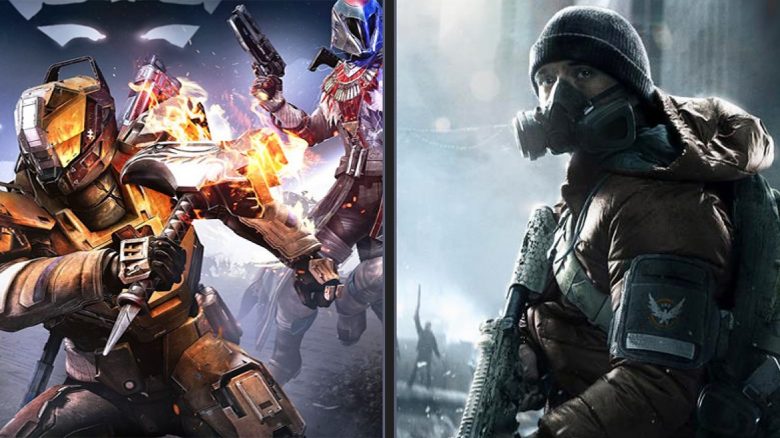
The loot shooters Destiny 2 and The Division 2 were supposed to continue the success of the first installments. In both cases, this has failed, says MeinMMO author Schuhmann. The model of simply ending and continuing such endless games has failed.

This was the idea of the model: The franchises Destiny and The Division were to establish new game worlds and become shooter games with MMO elements for PS4 and Xbox One. The Division also launched on PC, while Destiny initially catered to PS3 and Xbox 360.
Moreover, they were supposed to provide the publisher with reliable, ongoing income. Publishers appreciate that, as we know.
The plan looked like this on paper:
- A base game should start with the campaign and give players plenty to do, hooking them. Publishers marketed the base game grandly, like a normal AAA game for single players.
- The game aimed to stay fresh and improve like an “MMO” with patches and balance changes. Continuous communication with players, raids, the loot spiral, and events were taken from MMOs that had already been successful on PCs for a decade.
- Additionally, the games would be expanded through DLCs or even expansions for several years, just like classic blockbusters on consoles are expanded for a limited time after launch.
- Ultimately, the plan was to stop further development after 2 to 3 years, end it, and continue with a part 2 that would then be back on sale at full price.
Activision and later Ubisoft wanted to combine the new idea of developing “endless games” for PS4 and Xbox One with the “old idea” of how large AAA blockbusters like The Witcher or Skyrim are maintained and monetized.
The franchise “Call of Duty,” which releases a new game every year, was particularly a model for Destiny in this context: This is shown by the megalomaniac master plan of Activision Blizzard.

This is how it looked in practice: Destiny was released in 2014, received 2 DLCs, 2 expansions, and several content patches. Then, Bungie halted further development in the summer of 2017 and released Destiny 2 in September 2017.
The studio had split into different teams. The expansion in 2016, “The Rise of Iron,” and free updates in 2017 were apparently developed by a “B-Team,” while the “A-Team” worked on Destiny 2.
The Division was released in 2016, received 3 DLCs, and was thoroughly updated and polished. Development ended about 2 years after the release. The April 2018 patch brought The Division into a really good state.
In 2019, The Division 2 was released. Reportedly, Massive had already begun working on the sequel shortly after The Division 1 was released. The Division 1 had been developed further by other Ubisoft studios.
Sequel titles struggle to excite fans
This is how the sequels were received: Destiny 2 had a few weeks at launch where the game was praised. Sales figures were reportedly excellent as well. Especially many of the expensive special editions were sold.
However, criticism soon arose:
- fans missed several features from part 1 and especially content from before
- PvP was significantly less popular in part 2
- there were not enough new elements
- there was a lack of variety and content in the endgame
- too much from part 1 was retained and recycled, such as weapons, enemy types, the classes, many NPCs, and almost everything else
- especially the lack of technical advancement was criticized. Many veterans of Destiny 1 wished for 60 FPS or dedicated servers in the new game
Destiny went through the toughest time in its history and only improved qualitatively with the expansion “Forsaken” in September 2018. However, the success of the franchise was not as great as hoped, and Activision withdrew from Destiny in January 2019.
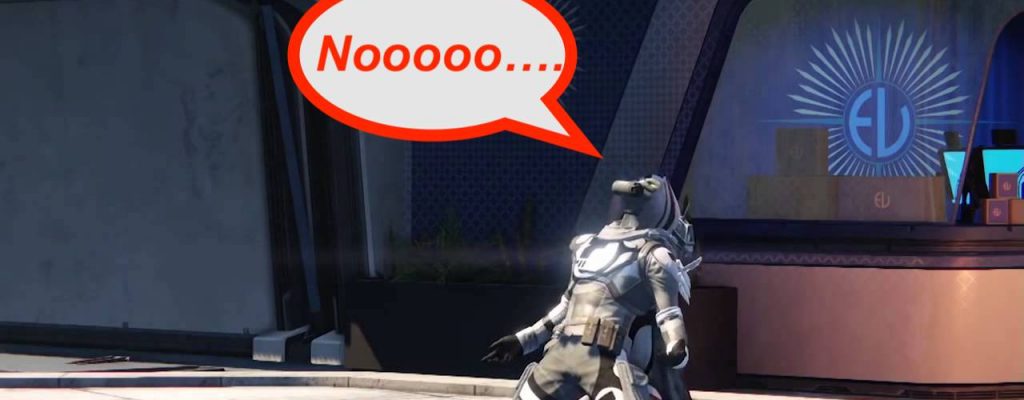
The Division 2 had about 2 months where it was praised and even celebrated: The campaign shone at the beginning, the game perfectly captured the atmosphere of Washington, DC; and the missions seemed well-designed: Especially the mission on Roosevelt Island was a highlight.
Then, however, frustration spread among the core players:
- long-term motivation was not present
- the new updates provided little replayability
- some fundamental game mechanics were criticized
- players also missed the special game modes from part 1
- PvP was virtually non-existent in The Division 2
According to Ubisoft, The Division 2 fell short of sales expectations. Apparently, they could not convey why players should buy a new installment when they had already patched the first one so well.
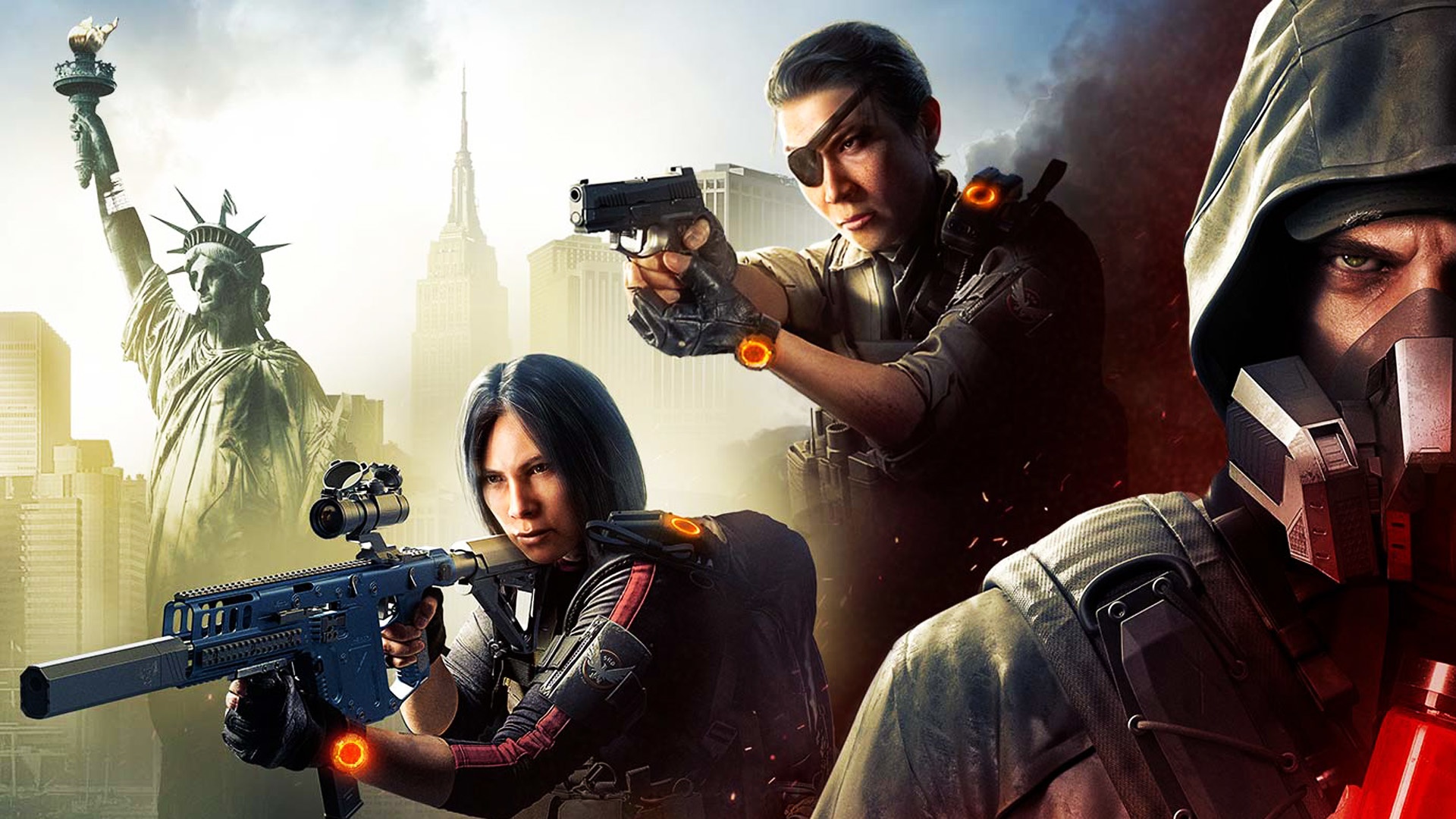
This is how it continues: Bungie has announced that there will be no Destiny 3 anytime soon. Instead, they want to continue developing Destiny 2 at least until 2022 with expansions.
The future of The Division 2 is unclear. After a major expansion was released in 2020, a regular expansion with content updates is planned. A new mode is also being discussed. Whether the franchise The Division will continue is currently not known.
“Content model” shows many weaknesses in practice
These are the biggest problems with the model: The idea of a “game as a service” is to continuously improve a base game over the years, refine it, and provide players with more opportunities to express themselves. Players should also grow in the world, build a character and a social environment that binds them. They should put down roots.

After games like Destiny or The Division have been refined and improved for over 3 years, it is not understandable for players why they should give this up and start over in the same world. Especially when there are hardly any new features, but just a new campaign.
This restart with empty hands stirred a lot of resentment. It was also difficult for the studios to promote the games, apart from the story and atmosphere, from being threatened by something powerful. In both sequel titles, there were few to no new unique selling points to be seen. It is a tough situation for the studios:
- on one hand, part 2 should feel like the “old game” and provide all the features and comforts players have gotten used to
- on the other hand, it should be “new and exciting” enough for players to feel they are genuinely playing something new and not just continuing the old game, as fatigue with the old had already set in
In practice, it has also proven problematic to consistently ask players to pay for small content. For every DLC, players are expected to shell out about 10€, for expansions again 40€, and for the new game then another 70€.
If DLCs disappoint and the mood is low, players simply stop buying new content: The player base splinters and shrinks. The problem is worsened when players are expected to buy new content just when the old content is exhausted and the mood is generally bad.
Time and again, players report that they are tired of investing so much money in a game over the years, even if they play as much as Destiny or The Division.
Additionally, there was a practical problem: It is apparently logistically extremely difficult to develop a new game while the old one is still being continued and developed:
- Massive has seemingly managed this well with The Division 2. But only because other Ubisoft studios took over the continuation of The Division 1
- Bungie was constantly in crisis mode because their content pipeline for Destiny 1 collapsed at the end of 2015, and they had to reboot and finish Destiny 2 under time pressure. This resulted in 3 of the 6 content years of Destiny being rather mediocre. Bungie has still not fully recovered from that mess.

This is why the model was used: The model of Destiny and The Division 2 still comes from a time when it was believed that game franchises needed to be available in stores every year or every two years to reach new players. Thus, classic game franchises were operated on PS4 and Xbox One. This is the model that, for example, Call of Duty relies on.
Therefore, Activision Blizzard and Ubisoft thought they needed new games to visually and through PR signal to players that they could re-enter the game and keep it relevant and in the conversation.
Thinking is changing now
This has changed: In the past 6 years, the market has changed dramatically. Thanks to such endless games as GTA Online, Fortnite, or Apex Legends, it is now clear that game franchises can remain in the conversation consistently, even without being “on the shelves” in a new box with display stands. Additionally, digital game purchases have gained significant momentum on consoles.
GTA Online is particularly evidence of how games with good content and a great community can remain relevant and highly profitable over the years.
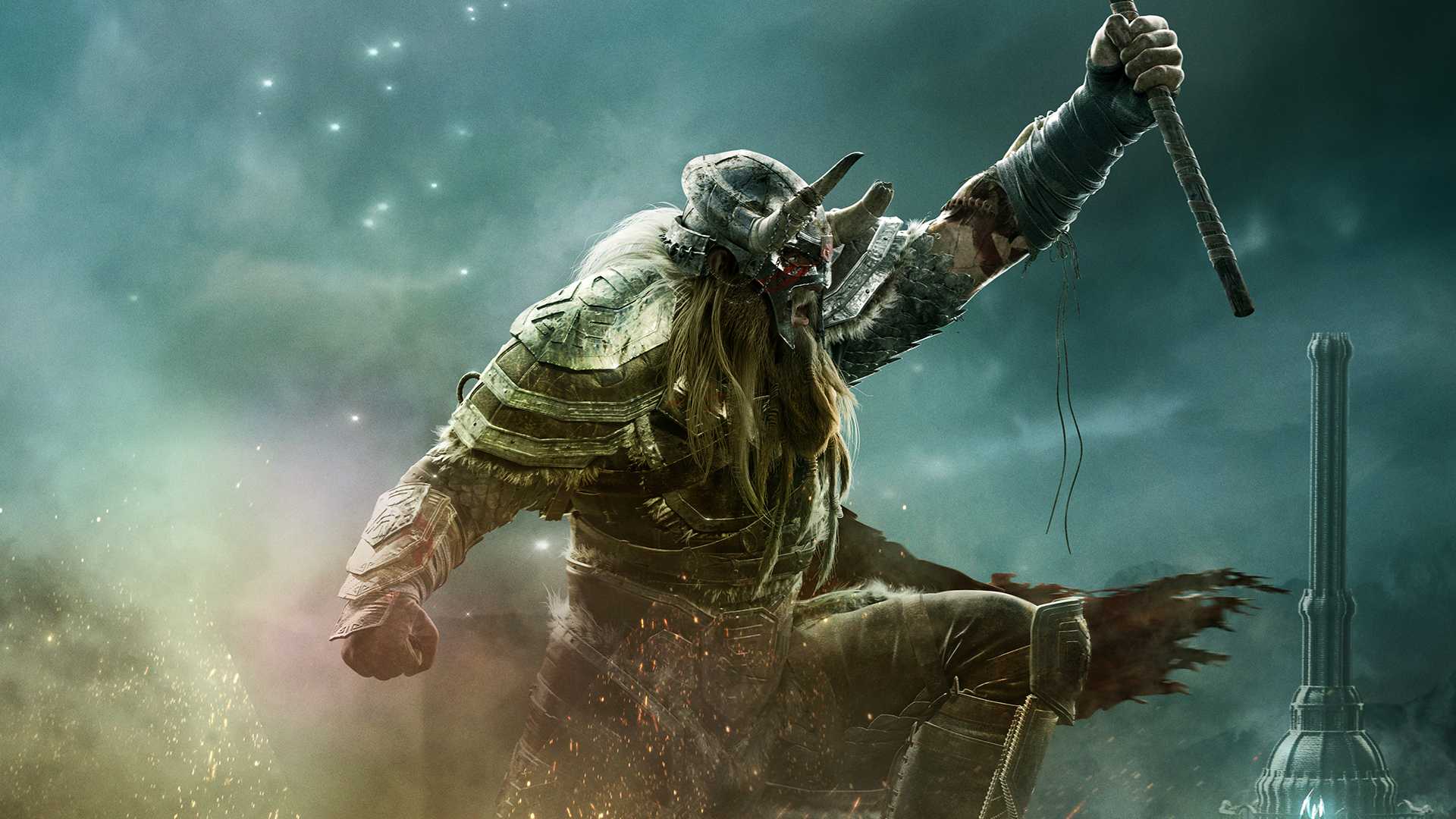
Especially the success of “The Elder Scrolls Online” on PS4 and Xbox One has helped solidify the idea: Games-as-a-service titles can be continuously developed and need expansions, not restarts – not even on PS4 and Xbox One.
Games like Anthem are now released with the announcement: We are not going to provide any DLCs. Okay, that went horribly wrong with Anthem, but this changed thinking was already evident with new online franchises in 2019.
Studio Wildcard has stopped working on part 2 of ARK Survival Evolved, to continue developing ARK. They realized that existing fans do not want to stop playing and loving the old MMO.
It seems the idea of “ending an endless game and continuing it the same but differently” has turned out to be something players do not want in that form. The only franchise that can afford that seems to be FIFA.
Even Call of Duty now enjoys operating an endless game with Warzone and is in no hurry to introduce the new Call of Duty 2020 as in previous years.

Actually, Destiny 3 was supposed to be released. That was Activision Blizzard’s wish, as can be seen from the contract. Especially the launch of PS5 and Xbox Series X would have provided an opportunity for that.
However, Bungie apparently resisted this and had a different vision. The two companies went their separate ways. Meanwhile, the studio and publisher have been separated for 19 months:
Destiny 2 without Activision Blizzard was supposed to be great, but has been disappointing so far

Your opinion is important to us!
Do you like the article? Then let us know!