PlayerUnknown’s Battlegrounds (PUBG) had no money in 2016. How did they make the game so known through Twitch anyway?
The community manager of PUBG, Sammie Kang, explained at the developer conference GDC how to create hype for a game nowadays without any resources. This is done through Twitch and streamers. But if you don’t have money to pay streamers to play your game, you have to get creative.
2016 – PUBG has no money, but an idea
In 2016, there was no “PUBG Corporation”, but the Korean studio Bluehole Ginno. The team consisted of about 25 people, who previously knew each other from the online MMO Devilian, which was quite unsuccessful. The team had never worked on a shooter and had exactly 0 US dollars in marketing budget.
Two things were seen as advantages at that time:
- They had Brendan Greene, the PlayerUnknown. The creator of the genre that was currently so popular with H1Z1. Greene had helped build the Battle Royale mode of H1Z1 the year before.
- And Bluehole Ginno had a concept for a Battle Royale shooter. They knew: The concept is excellent for streamers and YouTubers.
PUBG needed hype for their game. And the only way to get that for free was through the content creators on Twitch and YouTube.
The Microcosm Twitch
Kang says: There are small, medium, and the big fish on Twitch. The big streamers with many viewers were not reachable for PUBG. Because the big fish often stream only games that are already in the mainstream. They simply didn’t need PUBG.
But the streamers below this category are always looking for new content. They have no contacts with the big studios to get something exclusive. That’s why they are constantly searching for something to stand out from the crowd and make their breakthrough.
Since PUBG had no money to pay streamers, they turned to these mid-tier streamers on Twitch and offered them exclusive access to the early phases of the game. They also allowed them into the Discord channels so they could talk to the developers. This established a bond from the start with these streamers, who could then make a name for themselves with the content.
It became a privilege to participate in the first tests
Even though the first tests were still shaky, it became a privilege to participate because only handpicked people had access. They gave the streamers they collaborated with the feeling from the beginning that they were granting them exclusive advantages.
The community manager says she was in constant contact with the testers and streamers, receiving hundreds of emails: “Streamers really want to talk to the developers. They appreciate it when you reach out to them and provide information. Even if it’s just a few messages on Twitter: Streamers want to talk to the developers or the community managers, not the PR guy.”
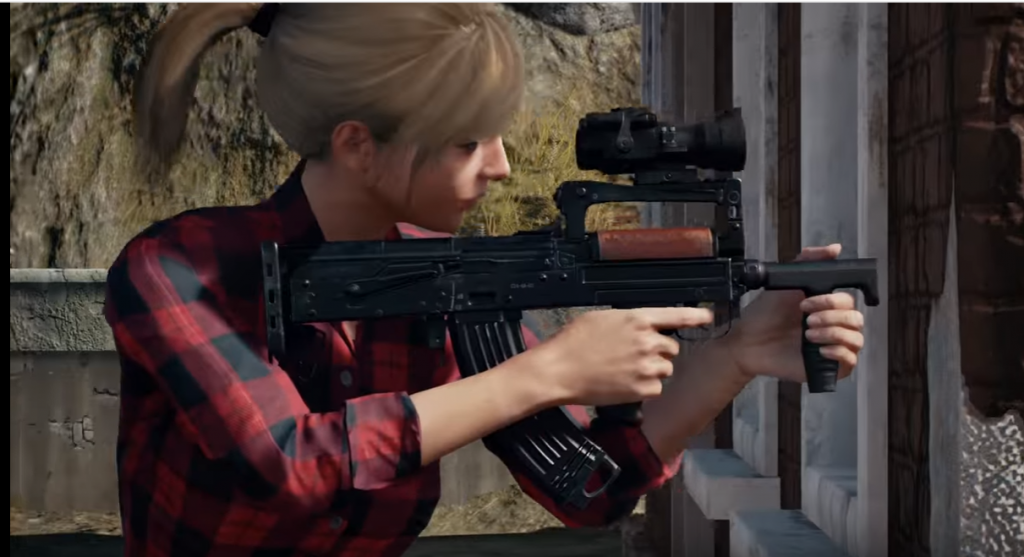
Rewards for the streamers
The PUBG community manager says they rewarded the streamers as follows:
- Bluehole Ginno gave them access to developers and to private Discord channels
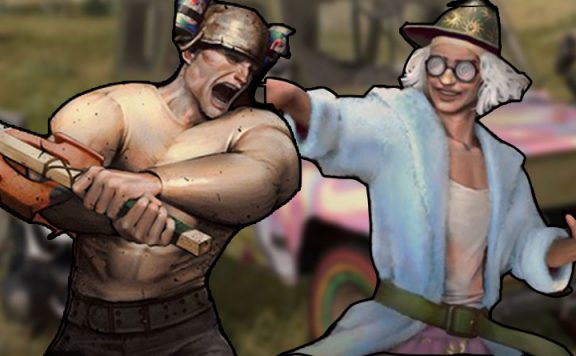
- They included graffiti from top streamers in the game
- Advertisements were run to spread the best moments of the streamers
- PUBG also distributed beta keys through the channels of the streamers
- They emphasized that changes were inspired by individual streamers.
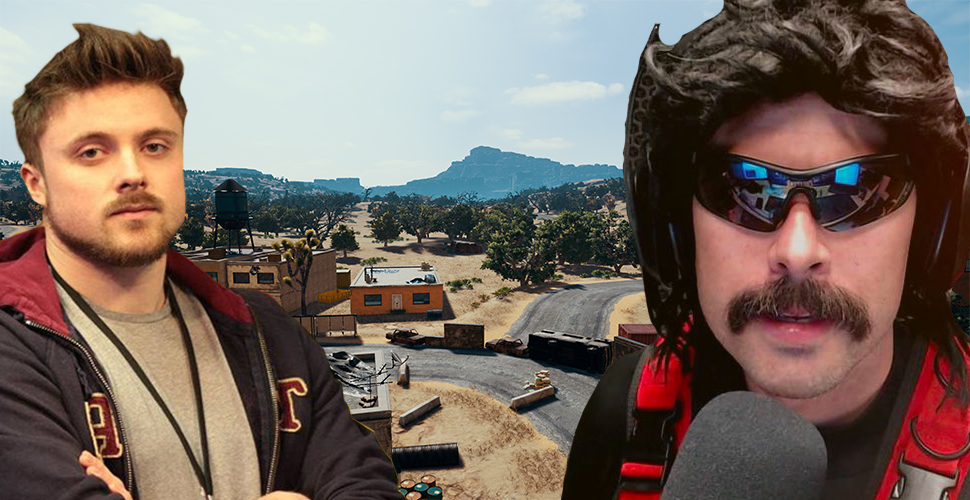
Such streamers are better than bought ones
Kang says: “Streamers must be part of the marketing plan if you have no budget. But they only help if you treat them right. They are not a marketing tool. Many publishers pay streamers to play their game, but that is only a one-time thing. The streamers must be emotionally invested, feel a connection. And to achieve that, you have to build a relationship with them that brings benefits to both sides.”
More about the change in the gaming landscape that has brought the microcosm Steam/Twitch to the forefront:
Friday the 13th: Stumbled upon the million-hit – Test? Doesn’t matter, Twitch is more important