

The AMD Ryzen 7 9800X3D currently sits on the throne of gaming CPUs. However, a Reddit user makes an expensive mistake – as experts rush to the rescue.
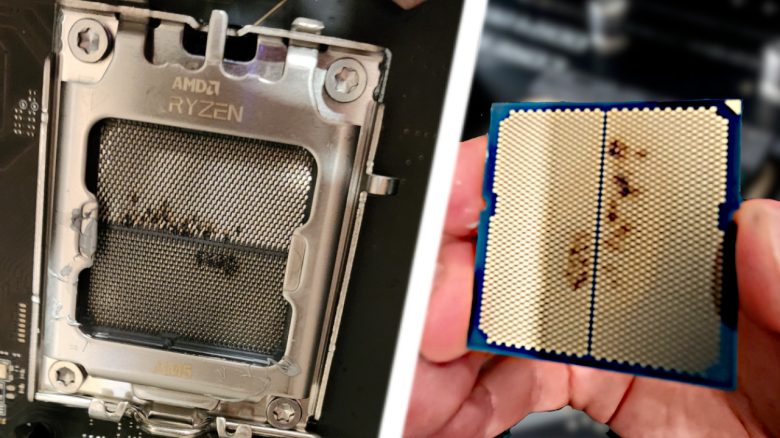
How did the buyer destroy which processor? On Reddit, TrumpPooPoosPants reports in the pcmasterrace subforum about his attempt to operate a brand new AMD Ryzen 7 9800X3D on an MSI Tomahawk X870. But the joy does not last long after pressing the start button.
He only gets an error message; the PC doesn’t boot. Upon seeing the removed processor, it becomes clear why: Numerous pins on the socket and some contact area of the CPU are burnt.
Who is to blame? AMD or the buyer?
What happened to the Ryzen 7 9800X3D? At this point, we can tentatively give all buyers of the CPU a sigh of relief, as it appears to be an installation error. It does not seem to be a design issue with the latest CPUs from AMD.
The YouTuber JayzTwoCents explains the case in a video, and other tech sites, such as Videocards, confirm the problem.
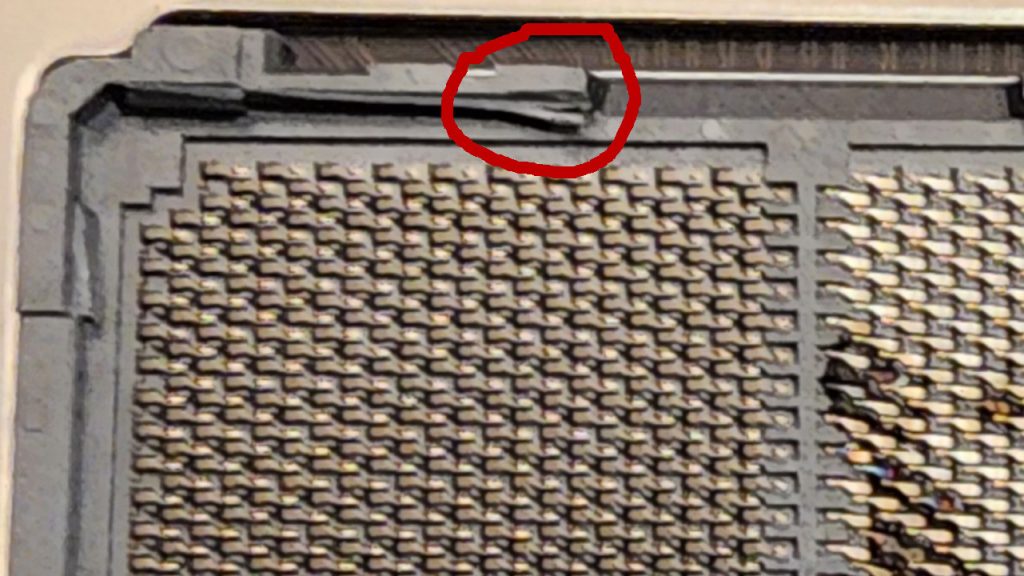
According to consensus, the user installed the CPU incorrectly, that is, rotated 180 degrees, and then tried to force the clamp to close. Apparently, the result was convincing since he documented that he turned the system on.
As a result, power began to flow, but the contact between the CPU and the socket was not as the manufacturer intended. This resulted in increased resistance, causing the materials to heat up significantly, which led to damage after just a few seconds.
Does the buyer get his money back? Yes, but not from AMD or MSI as the manufacturer of the motherboard. Under the post, the tech site GamersNexus offered to buy the hardware at the full retail price.
The background may be that the team wants to investigate the matter independently of AMD. Soon, you can probably expect a detailed video on the subject on the YouTube channel of the team.
The alternative for the user would have been to contact the CPU manufacturer for an exchange. For the motherboard, he would have to take separate paths. But it remains questionable whether he will get his money back. Because if they come to the same conclusion as JayzTwoCents and other experts, then it would be pure goodwill to exchange the parts.
The graphics card in the following report had the best possible contact with the rest of the system. Although the collaboration between the CPU and GPU was optimal, the actually very fast card ran significantly slower than usual: New GPU for almost 2,000 euros overheats for weeks: Buyer opens it up and finds that something important is missing

Your opinion is important to us!
Do you like the article? Then let us know!