

Batteries or Accumulators?
Anyone purchasing a wireless device needs batteries or accumulators, usually AA or AAA. Traditional batteries are hardly worth it anymore. Their advantage is low self-discharge, making them suitable for devices that consume little power. Anyone who wants to buy one should pay attention to durability and the material: zinc-carbon batteries are outdated and discharge too quickly. Alkaline or lithium is better, the latter provides power longer but is more expensive.
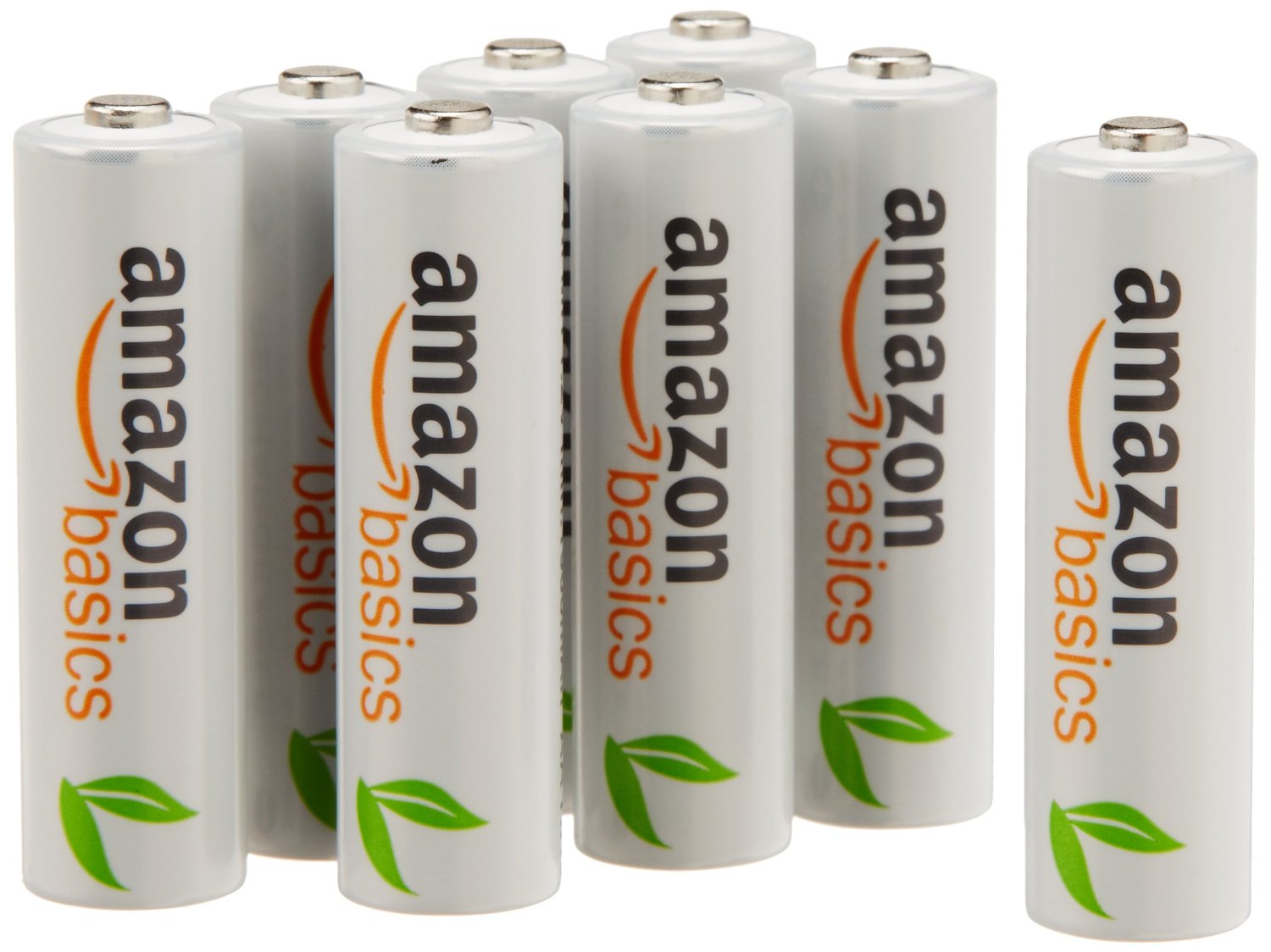
Modern accumulators now have ever lower self-discharge. For AA and AAA, there is no real reason to do without them. Currently, lithium-ion batteries (Li-Ion) and nickel-metal hydride batteries (NiMH) are available. Li-Ion typically have a size adapted to the device, meaning the sizes AA or AAA are rarely found. Another disadvantage is that they are more maintenance-intensive. However, one can determine their charge level much more easily than with NiMH.
If an accumulator is partially discharged and then recharged, the battery life could decrease further. This memory effect is overrated, as it was never really problematic. It was sufficient to discharge a compromised accumulator several times and recharge it to restore it. The memory effect is no longer present in today’s batteries. Unfortunately, NiMH batteries have a battery inertia effect, which also continuously reduces endurance, but for a different reason. Through multiple discharges and charges, this effect is reversible.
Anyone who now thinks that Li-Ion is better will unfortunately be disappointed. Because with Li-Ion, neither complete charging nor complete discharging is allowed, or else they age faster. Generally, deep discharge should be avoided with all accumulators. If one notices that a battery-powered flashlight is getting weaker, it should be turned off. It should not remain active until it no longer lights up. And since accumulators discharge, a deep discharge is thus possible.
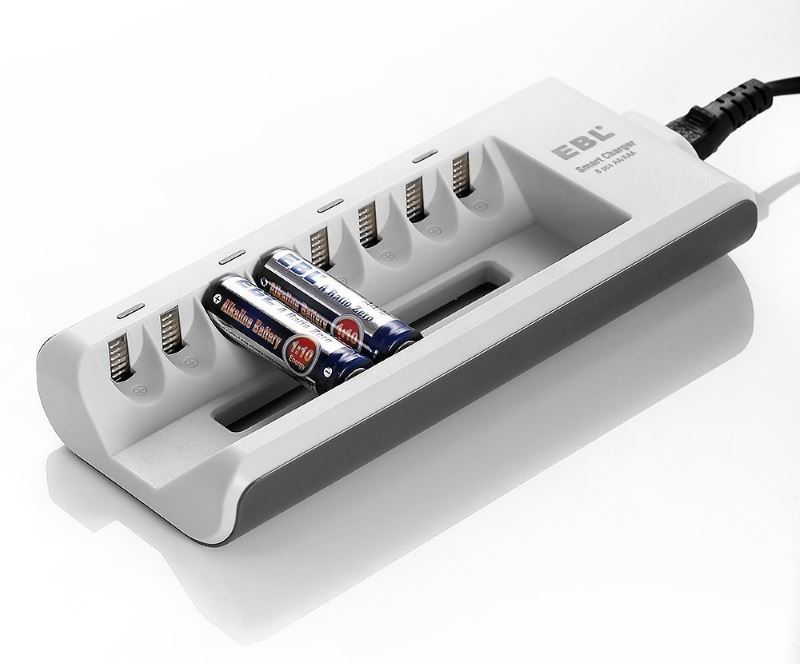
Furthermore, attention should be paid to the right charger. It should be modern enough to finish the charging process independently. Furthermore, the current should not be too high. The higher it is, the faster the accumulator charges, but at the expense of its lifespan.
The choice of manufacturer is secondary. Amazon now offers its own batteries. These are likely Sanyo Eneloops of the second or third generation, as their values are very similar. A corresponding charger is available. Anyone who wants a bit more comfort or more displays can purchase a more expensive device.

Your opinion is important to us!
Do you like the article? Then let us know!