

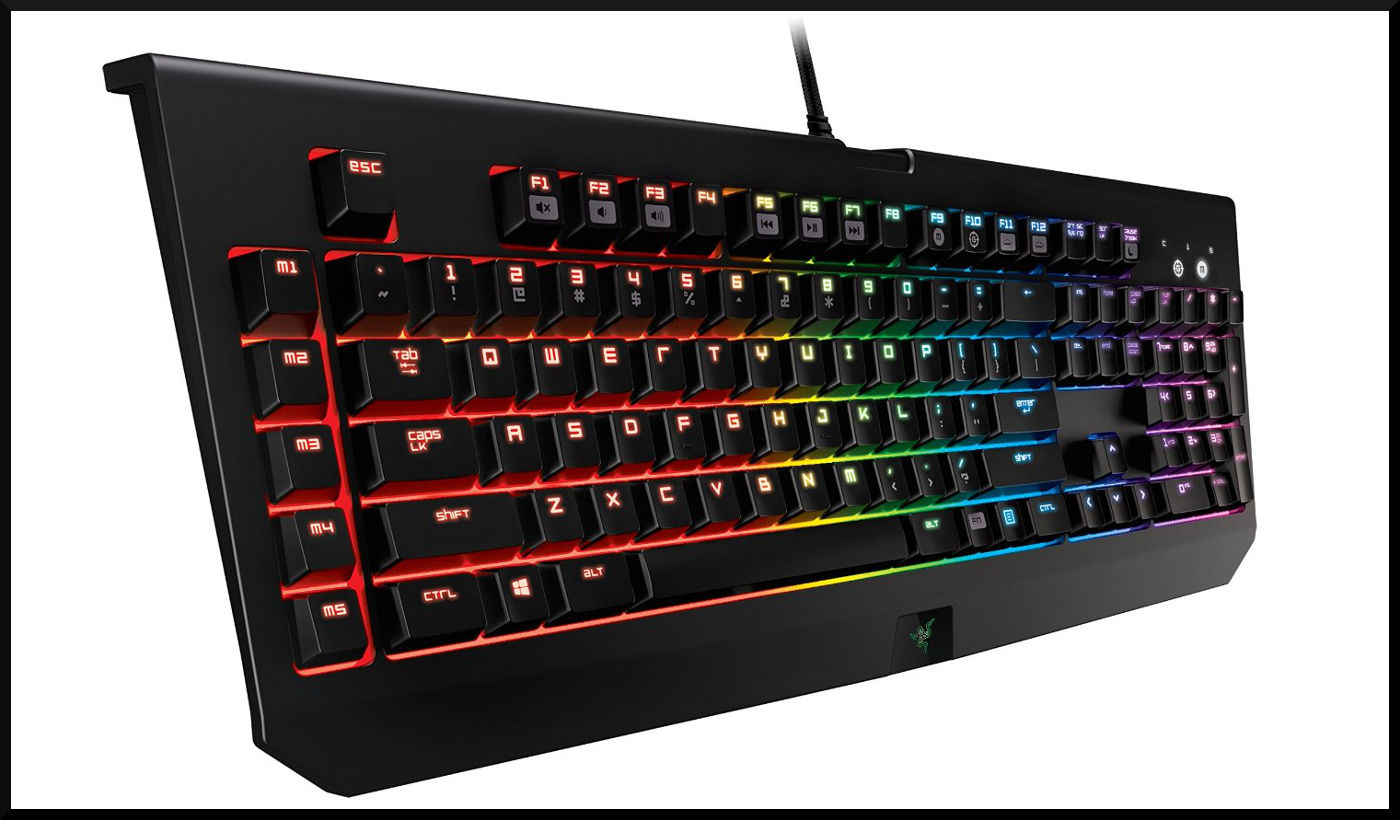
Mechanical or Rubberdome?
Mechanical keyboards are durable and widely used. The effort is low, but the noise is high. Their operation is quite simple: beneath the key is a spiral spring that presses it back up. There are then some differences in detail.
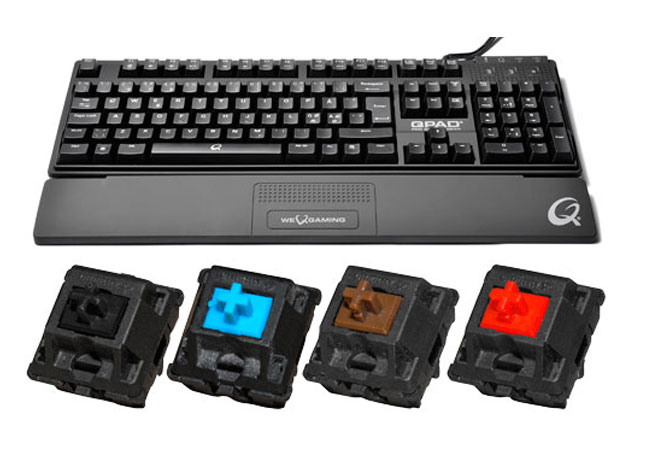
Most keyboards use MX switches from Cherry, a German company. MX-Browns provide tactile feedback when a key is pressed. They are the all-rounders among MX switches. MX-Clears are very similar to these, with the main difference being that more force is required to press the key. The MX-Blues are designed for heavy typists. They are similar to the MX-Browns but produce a pronounced click with every keypress. MX-Blacks are linear. This means they provide no feedback, and one doesn’t feel when the key is pressed. However, they are also easier to press since there is no noticeable resistance. This variant is therefore advantageous for gaming. MX-Reds are also linear and can be triggered even more easily.
Additionally, there are Topre switches and Buckling Springs. The former initially require a high force but then fall down by themselves. They are quite quiet. Buckling Springs have a curved spring, require a lot of force, and are extremely loud. They are quite similar to a typewriter.
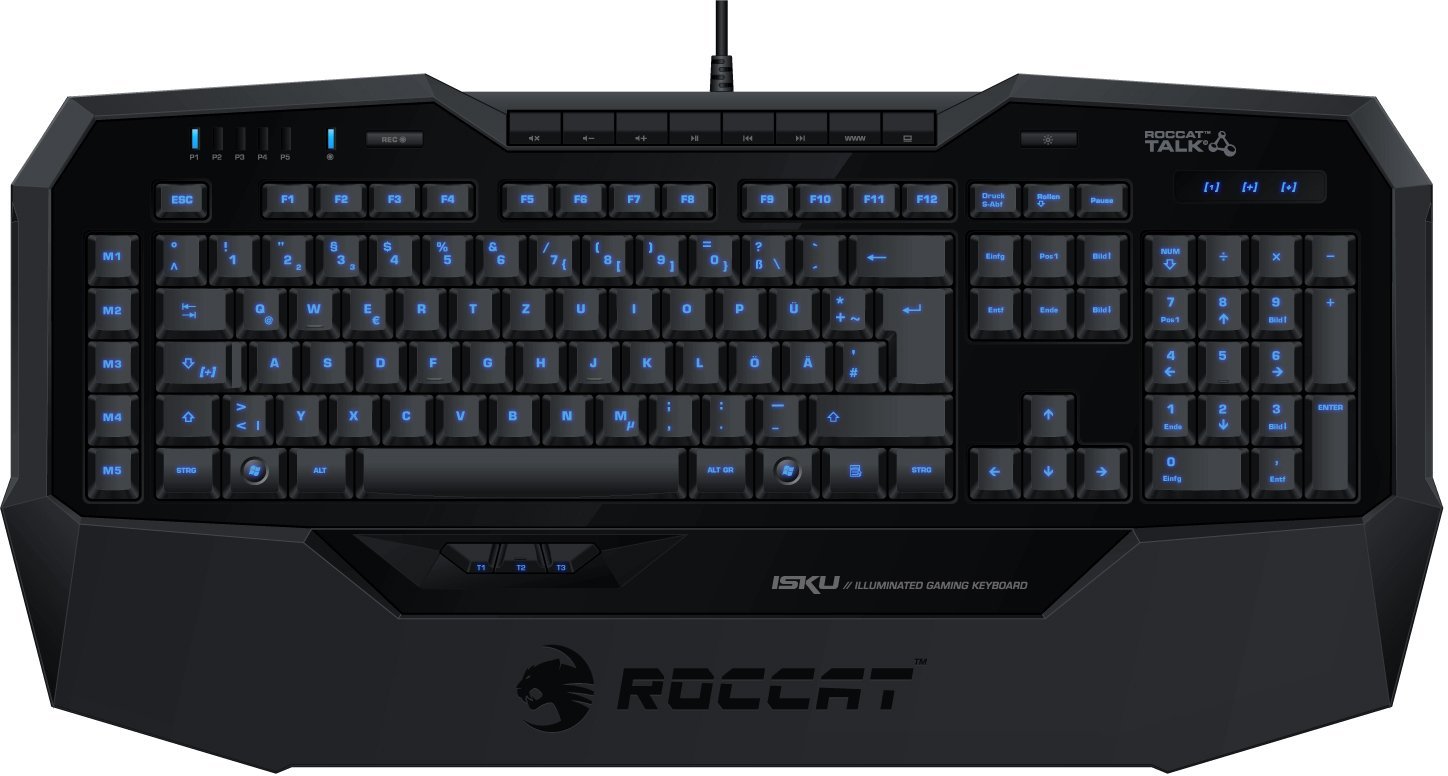
Rubberdome keyboards have few advantages and many disadvantages compared to their mechanical counterparts. Instead of a spring, they use a variant made of rubber or silicone. This makes them quieter and cheaper. However, their lifespan is lower. Average they withstand 5 million keystrokes, while the mechanical keyboard can last up to 50 million. After just a few weeks, one can feel how the typing behavior deteriorates.

Your opinion is important to us!
Do you like the article? Then let us know!