

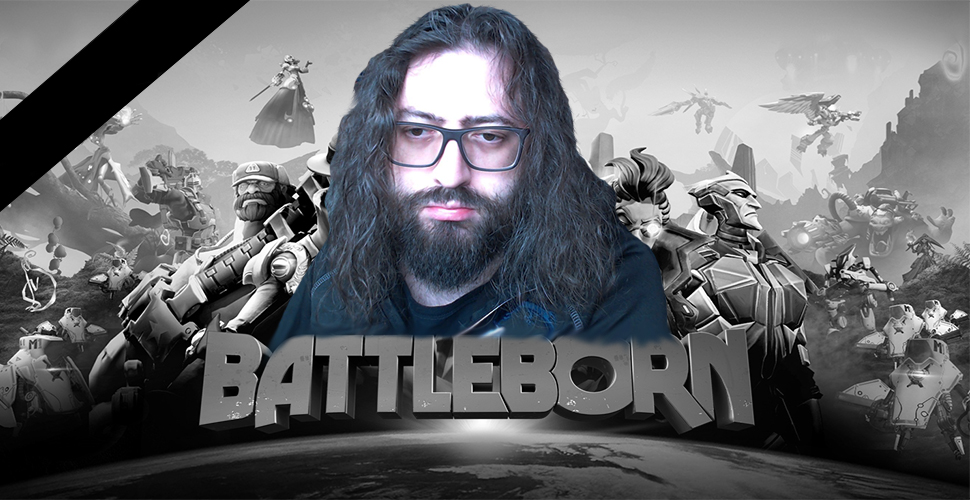
New hopeful games that were once supposed to last for years are dying like flies. Battleborn, Gigantic, and Paragon are dead. Lawbreakers are almost gone. We will have to get used to this, believes our author Schuhmann.
The new gaming world sounds fantastic from the publishers’ perspective. The most successful games earn money for years after their release.
Rockstar, Blizzard, Riot Games – the winners of the new gaming world
- At RockStar, one used to have to release one or two new games every year: Today, a few updates for Grand Theft Auto Online are enough, and the money flows in through microtransactions. One can take a year or two longer with the next game.

- At Blizzard, with Overwatch, WoW, and Hearthstone, there are three games in the stable that keep generating money if one just pulls the donkey by its tail and occasionally feeds it with new expansions, events, and skins. What we hear is that Blizzard is currently working on a mobile game to create the next long-lasting hit.
- And Riot, although it is called “Riot Games,” has only had one single game since the beginning: League of Legends. That is enough to generate billions of US dollars year after year. The LoL publisher Tencent came up with the royal idea to make even more money: They release LoL as a mobile game under another name. Done is a game that in China has shown such a risk of addiction that the government had to take measures to protect the youth.
The success formula for all these games is “Games-as-a-service.” Games that run for years through expansions and updates. They continue to generate more money through microtransactions.
These games dominate the digital revenues in the gaming market 2017. They shape the gaming of our time.
Those not at the table want a seat
Other studios also want such games, want to sit at the table of the big players. With significant effort and marketing energy, studios are working on their hero shooters or their games-as-a-service that they want to race with.
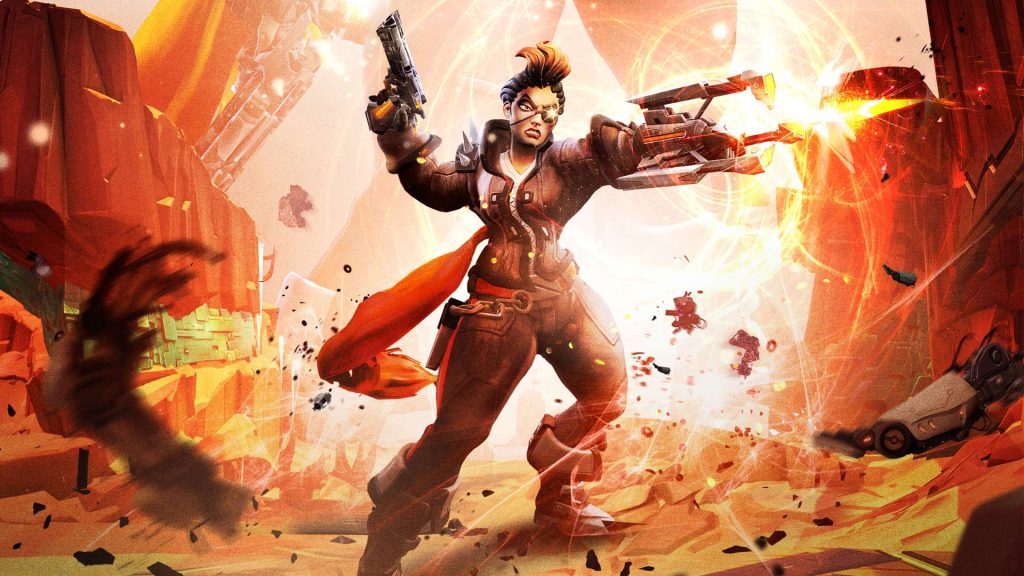
Because such games are expensive and time-consuming, years of development and millions of dollars go into them. The expectations and advertising budgets are pumped up, and the concepts for the games sound fantastic.
But here the dark side of the model shows.
New games are dying like flies in hero shooters, MMORPGs, MOBAs
In the still young year 2018, bad news comes:
Additionally from 2017:
- Battleborn has set sail
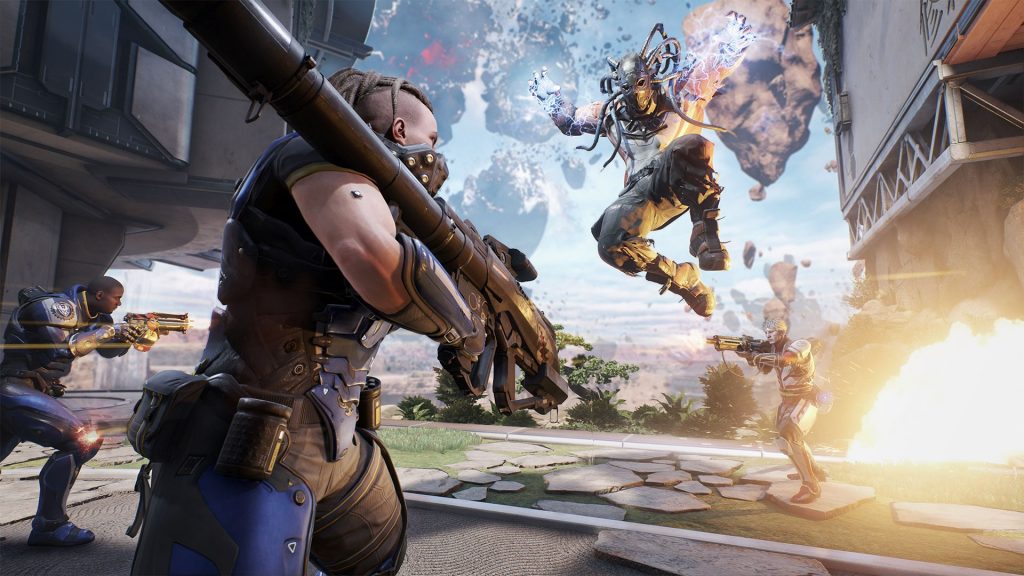
- Everything one hears about Lawbreakers suggests that Publisher Nexon has concluded its dealings with it
These are four games that were released in 2016 or 2017. They are games with decent ratings, high production levels, and good concepts. Games that one thought: They have potential.
These are only the hero shooters. In MMORPGs and MOBAs, the same trends have been observed for years. New games find it hard to assert themselves against the incumbents.
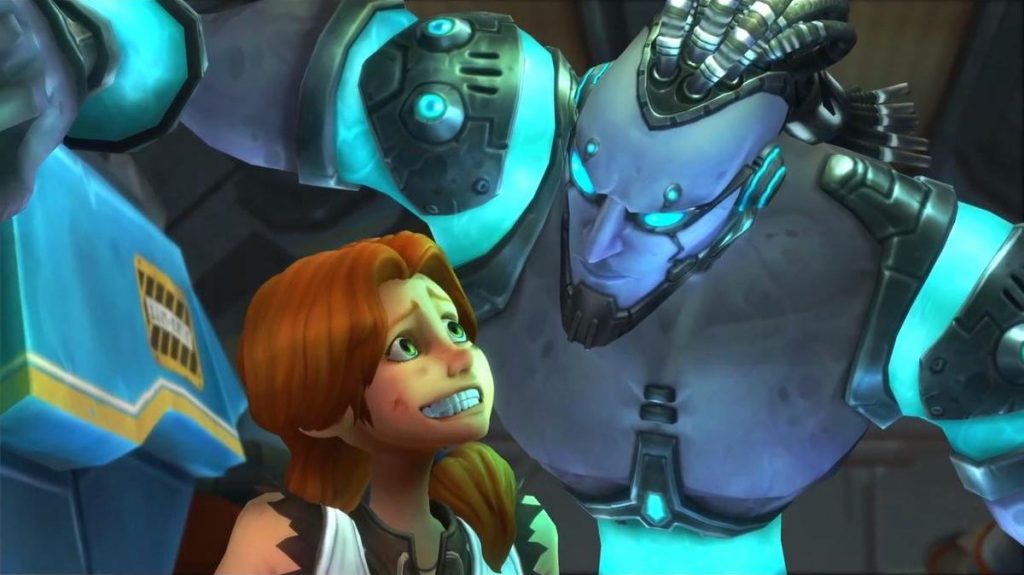
- The last major Western MMORPG WildStar sank in 2014.
- Even Blizzard could not establish its MOBA “Heroes of the Storm” against giants Dota 2 and LoL.
- In the “Battle Royale shooters,” a similar trend is already emerging: Anyone who wants to assert themselves against Fortnite and PUBG can only be wished good luck. Initial competitors have already failed here. For the former top game H1Z1, things look bleak.
Because the seats at the table are occupied. These are the downsides of the “Games-as-a-service” games: They bind players for years, make them loyal players and fans. These loyal players can no longer be won over as customers for new games.
Rest in peace! These 9 MMOs unfortunately died in 2017
The WoW effect
Many fans of single-player role-playing games have been complaining for more than 10 years about WoW and how World of Warcraft has killed their favorite genre.
WoW pulled millions of role-players out of the “gaming market for PCs” back then because role-players wanted nothing more than to be in Azeroth and raid with their guilds, go hunting for loot.
This WoW effect, where a game pulls customers out of the market for years, now also affects new games-as-a-service.
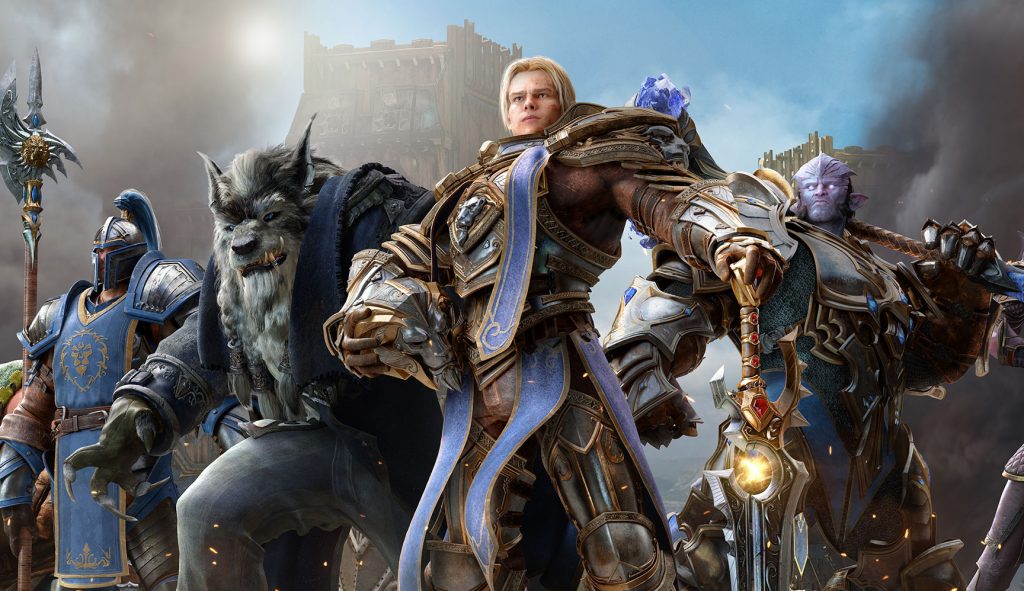
Games-as-a-service eat each other up
The binding force of established games is strong: Anyone who has invested months or years in developing their skills and skin collection in a title like Overwatch or LoL will have difficulty leaving those games for a new title.
And because of this, we will have to get used in the coming years to news that a new hopeful game was shut down only a few months after its release.
Now that more and more genres are moving into the realm of “Games-as-a-service,” the space for new games is becoming increasingly limited.

Established publishers are already reacting to this and restructuring production so that fewer, but larger titles are released, as they are given more market potential.
But even these new titles are fighting for the same players. So the new games must either displace an existing game or attract new, still unbound players.
More on the topic of games-as-a-service and the winners in the market can be found here:
4-year-old game beats Destiny 2 in digital revenue on PS4, Xbox One

Your opinion is important to us!
Do you like the article? Then let us know!