

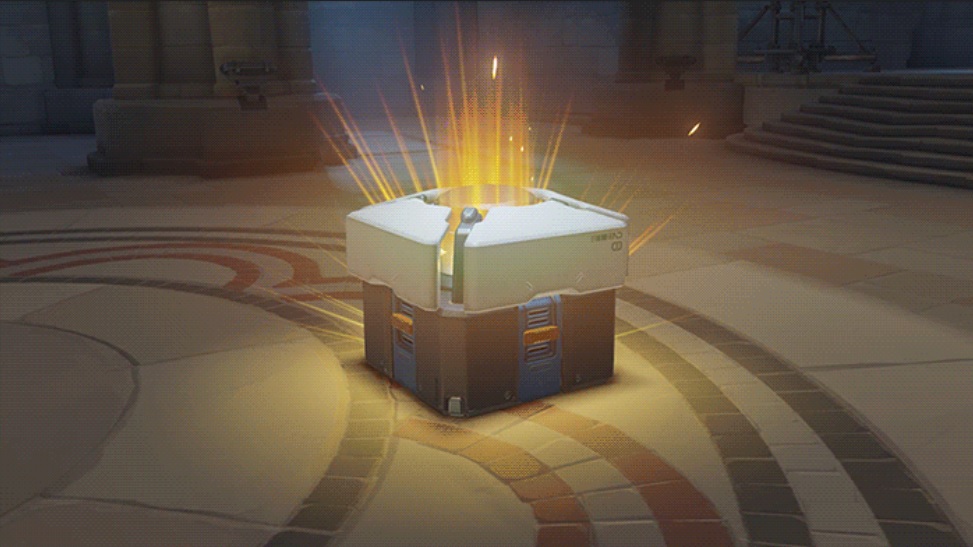
Blizzard grants itself absolution for the loot boxes in Overwatch . They did not belong in a controversial discussion, no matter which.

Loot boxes in Call of Duty, in Star Wars Battlefront 2 or in Middle-earth: Shadow of War. There is constant quarrel about microtransactions. In Overwatch, such disputes are absent, and that is also correct, says Blizzard CEO Mike Morhaime.
Controversial topic: Loot box
Loot boxes are the topic of the hour:
- In Star Wars Battlefront 2, the concern is the content, which is perceived as too powerful, as Pay2Win.
- In Middle-earth: Shadow of War, it is simply about the fact that a full-price title shouldn’t include additional microtransactions, as one has already paid a high price.
- In Call of Duty, some criticize that a historical battlefield like Omaha Beach is transformed into a ringing online casino. Activision is said to go too far here, operating with psychological gambling tricks.
Blizzard’s Overwatch earns a fortune with loot boxes, but has so far remained untouched by such allegations. And Mike Morhaime assures in an interview with Game Informer that it will remain so. Blizzard wants nothing to do with a controversy around loot boxes.
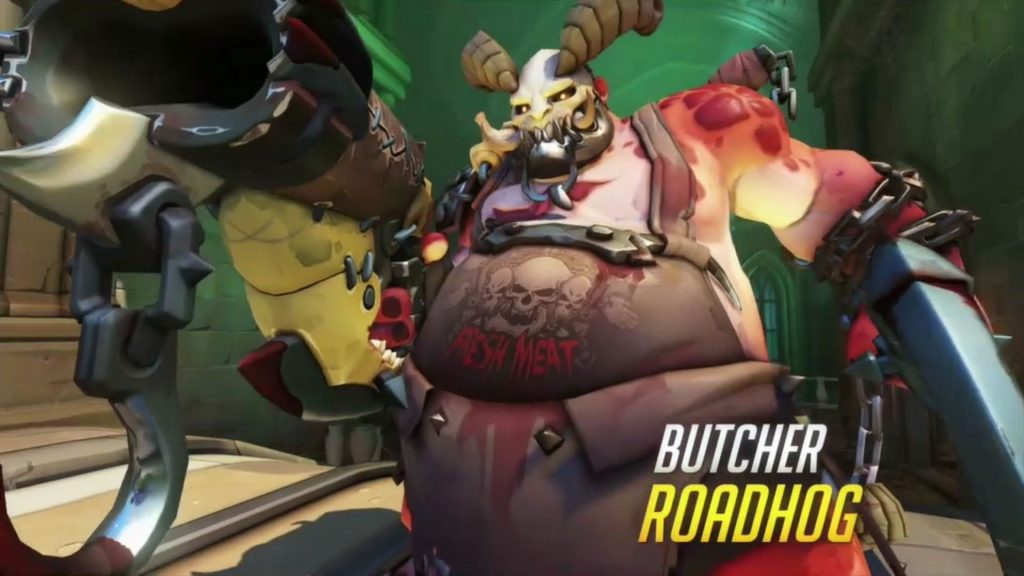
Morhaime says: “I think there is absolutely nothing wrong with having loot boxes that give you random items. I think whatever the loot box dispute is about – Overwatch does not belong in it.”
At Blizzard, they avoid linking loot boxes to “power gain.” It is also not possible to exchange items from loot boxes for real money again. Morhaime considers that a controversial element.
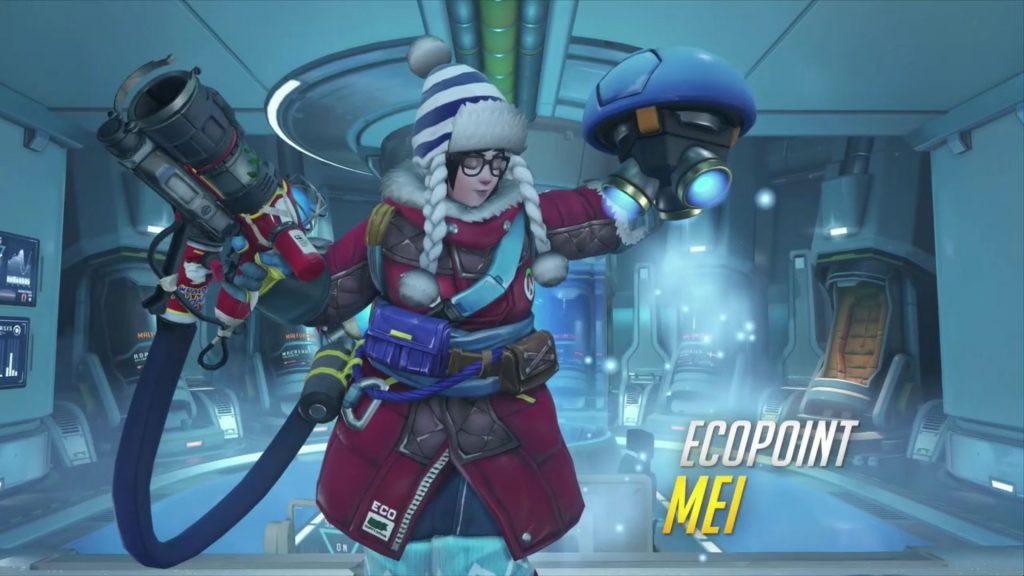
Loot boxes in Overwatch: Blizzard does a lot right, but gets away with everything
Mein MMO says: They say in the gaming industry: “Do not orient yourself to Valve or Blizzard – they get away with everything, even things for which others are lynched.”
Indeed: Blizzard earns an insane amount of money with loot boxes in Overwatch, but remains untouched by the loot box controversy. After all, Overwatch is a full-price title.
That is why loot boxes in Overwatch are okay
Upon closer inspection, the Overwatch loot boxes work this way:
- There is only cosmetics inside
- You can also find and earn the loot boxes in the game itself at a “reasonable rate”
- And because Overwatch is a multiplayer title, it seems “okay” for many
- Even though Overwatch is a full-price title, players probably find the loot boxes okay because they accept that they are financing the further development of the game.
- Additionally, Overwatch has made concessions during development, addressing the issue of duplicate items
If one of these points were absent or the company were not Blizzard, there would probably be a problem. In Destiny 2, for example, players have to purchase DLCs in addition to loot boxes to finance further development. A title like Middle-earth: Shadow of War is a single-player game. In Star Wars Battlefront 2, there are “not only cosmetic items” included, but also items that affect the strength of the players.
In all these games, there is trouble over loot boxes – not in Overwatch. Is everything perfect in Overwatch? Not really.
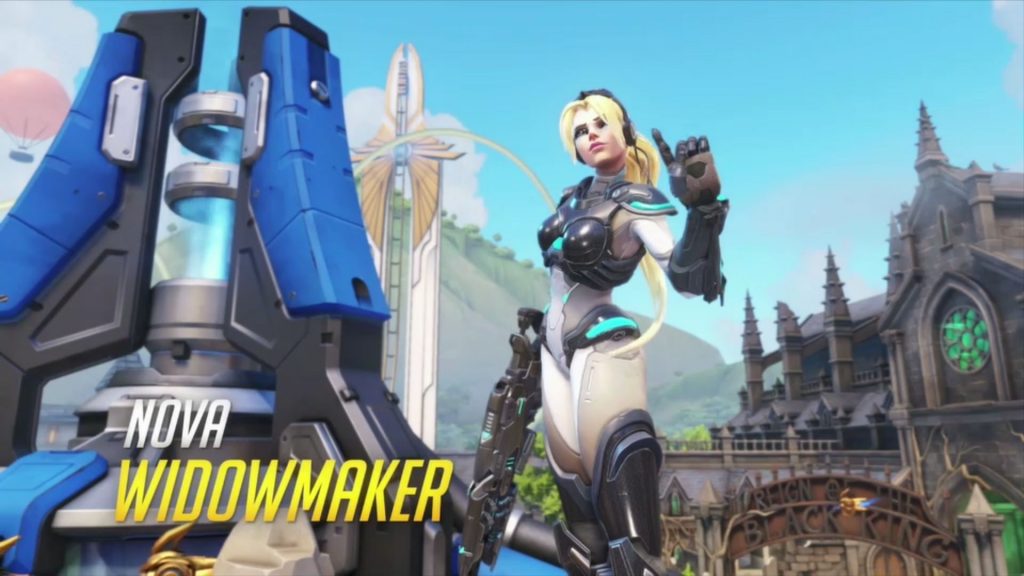
There is also reason for criticism in Overwatch: Blizzard relies on many small psychological tricks to boost sales. The loot boxes work so well in Overwatch because they exert subtle pressure on the player and Overwatch is designed to encourage the purchase of loot boxes:
- There are regularly special loot boxes for events, which contain special skins that are only available for a limited time -> Buy loot boxes now, or the skins will be gone
- Moreover, the skins adorn the heroes and they have a special function in Overwatch; many fans have a deep connection to their favorite characters -> You want to do something good for the hero
- And you see other players walking around with the skins or you see them in videos – a strong advertising effect
- Also, the opening of a loot box is constructed to have maximum psychological effect, like a one-armed bandit – the reward effect is all the stronger
Activision is currently experimenting with methods to boost loot box sales. You can see this, for example, in the new Call of Duty or in this patent that Activision has registered:
Activision patents cash shop stuff

Your opinion is important to us!
Do you like the article? Then let us know!