

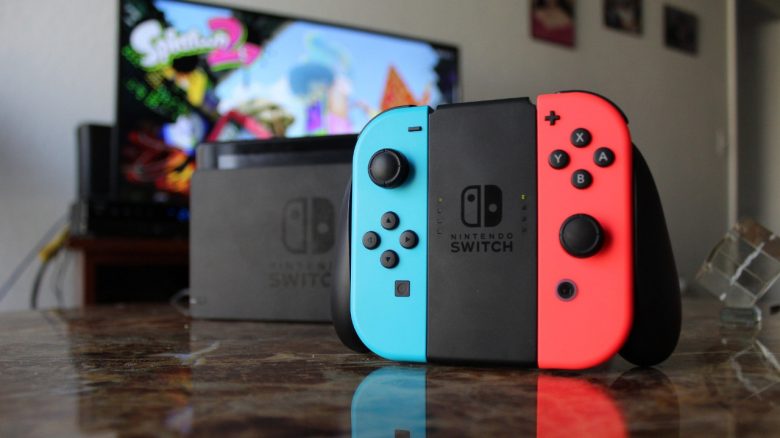
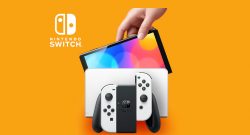
With the Switch OLED, the Switch Lite, and the Nintendo Switch, there are currently three models of the popular console. The Switch OLED and the regular Switch are very similar, but which one is worth it the most? MeinMMO presents the similarities and differences.
As of now (February 2025), there are a total of three different Switch consoles from Nintendo:
- Nintendo released the first model of the Nintendo Switch in March 2017, achieving huge success.
- With the Switch Lite, Nintendo launched a stripped-down version without a docking station at a lower price in September 2019.
- In July 2021, Nintendo released the Switch OLED as the latest console with a new display.
- Nintendo has officially introduced a Switch 2, which is set to be released sometime in 2025.
The Switch and Switch OLED are very similar, but what are the specific differences? Is it worth paying an extra 30 euros if I can already get the regular Switch cheaper? MeinMMO explains the similarities and differences.
- Nintendo Switch OLED or Nintendo Switch – Which is better?
- Nintendo Switch OLED vs Nintendo Switch – Which model should I buy?
- Nintendo Switch OLED vs Nintendo Switch – All details in comparison
Last updates: 14.02.2025, 1.03.2024, 1.06.2023, 27.06.2022
Nintendo Switch OLED or Nintendo Switch – Which is better?
The Nintendo Switch OLED and the regular Nintendo Switch do not differ in terms of performance:
- No matter which Switch you ultimately buy, you will receive the same performance.
- Operating system, battery life, and display resolution are also the same
- You can play all Switch titles on both consoles.
- With both consoles, you can use Joycons or official Pro-Controllers.
What advantages does the Switch OLED have over the Switch? There are a few advantages that you only get with the Switch OLED:
- OLED Display: The OLED display is the biggest advantage. It provides more vibrant colors and higher contrasts, as each pixel is individually lit. There should also be no burn-in issues with the Switch.
- Larger Display: The Switch OLED has a 7-inch display, while the regular Switch has “only” a 6.2-inch display. However, the resolution remains identical.
- Better contrasts and viewing angle stability: Thanks to OLED, the black values are much more natural. With the individual lighting of each pixel, the display is also easier to read in sunlight.
- More storage space: The Switch OLED offers 64 GB of internal storage, while the regular Switch only has 32 GB. You can expand the storage space with memory cards on both models at any time.
- Docking station with LAN connection: You can also connect the Switch OLED via an LAN cable. You are no longer just dependent on WLAN.
- Better speakers: Nintendo has installed slightly better speakers in the OLED version and changed their position. This makes the sound stronger and no longer flat.
- More stable stand: Nintendo has built a new stand for the OLED. It is much more stable than the regular model.
| Nintendo Switch | Nintendo Switch OLED | |
|---|---|---|
| Screen Size | 6.2 inches | 7 inches |
| Display | LCD | OLED |
| Resolution (Handheld) | 1280x720p, 60 Hz | 1280x720p, 60 Hz |
| Resolution (TV) | 1920x1080p, 60 Hz | 1920x1080p, 60 Hz |
| Battery Life | 4.5-9 hours | 4.5-9 hours |
| Weight | 399 grams | 421 grams |
| Storage | 32 GB | 64 GB |
| LAN | Yes, with new docking station | Yes |
| Price | 329.99 euros RRP | 359.99 euros RRP |
Nintendo Switch OLED vs Nintendo Switch – Which model should I buy?
Which Switch is better? Nintendo has mainly refined small details with the OLED version. This includes the better and larger display, an improved stand on the back, and the larger internal memory, which is now 64 GB.
With both the Switch OLED and the regular Switch, you can play all current top titles from Nintendo, as there are no exclusive titles for the OLED version.
For whom is the OLED model worth it? If you already own a Nintendo Switch, the upgrade may only be worthwhile to a certain extent. Because apart from a better display, there are no significant improvements. If you want to play mainly in handheld mode and do not own a Switch yet, we would recommend the Switch OLED. The richer colors and especially the better lighting speak for it.
Who should opt for the regular Nintendo Switch? If you mainly want to play in docked mode, you should go for the old model. You can currently buy the docking station with a LAN connection for around 50 euros and can also use it with the old model. Depending on the offer, the price difference between the two consoles is around 80 euros.
You can read a detailed preview of the Nintendo Switch OLED by MeinMMO editor Benedikt Schlotmann directly on MeinMMO:
Nintendo Switch OLED vs Nintendo Switch – All details in comparison
In the following section, we will once again look at the individual aspects of the Nintendo Switch OLED and the regular Nintendo Switch. Here you will find all the similarities and differences detailed.

Commonalities
What commonalities do the devices have? Nintendo has made some adjustments with the OLED version, but much remains the same. You can use the same gameplay modes with both devices. Both Switch models can be used in handheld mode or on the TV.
The screen resolution is also identical: in handheld mode, you can use an HD resolution (720p), and in docked mode, Full HD (1080p) is possible.
Nvidia’s Tegra processor is also built into both devices. Therefore, there is no better or faster processor in the OLED model than in the previous version. Nintendo also did not install a larger battery in the OLED version.
You can play all Switch games on both models, as there are no exclusive games for the Switch OLED.
Similarities between Switch and Switch OLED in detail:
- Available gameplay modes: Handheld, tabletop mode, and TV
- Resolution: 720p (handheld), 1080p (TV)
- Internal hardware: Processor (Nvidia Tegra X1)
- Battery life: 4.5 to 9 hours
Differences
Size and Weight
Where are the differences? The Nintendo Switch OLED is a few millimeters larger than the regular version. Despite the larger display, the Switch has hardly increased in size. The OLED model is also slightly heavier at 320 grams compared to the regular model (297 grams). You probably won’t feel this much in everyday use.
The Switch only gets significantly heavier when you give the console an “upgrade”:
Display
Where are the differences? The regular Nintendo Switch uses a 6.2-inch LCD display. The OLED model comes with the name-giving 7-inch OLED display. In direct comparison, this is also the biggest difference between the consoles. Both the regular Switch and the Switch OLED offer a maximum refresh rate of 60 Hz.
With the OLED display, the colors are much more vibrant compared to the previous LCD display, and the contrasts are better. You can also see what is happening on your display even in bright sunlight. Theoretically, OLED displays have the potential for burn-in damage, but you don’t have to worry much about that.
If you want to see how big the difference between OLED and LCD is, check out the embedded video:
Housing and Stand
Where are the differences? Due to the larger display in the OLED model, there are significantly smaller display borders. Additionally, the size of the ventilation slots has changed slightly, and the power button has received a new design. Otherwise, the design of the Switch has remained identical.
A lot has changed in terms of the stand. Nintendo has installed a stable and high-quality stand in the Switch OLED. With the regular version, there was hardly any talk of a stand.

Speakers/Audio
Nintendo has installed slightly better speakers in the OLED version and changed their position. This is meant to make the sound stronger and not sound so flat anymore.
Docking Station
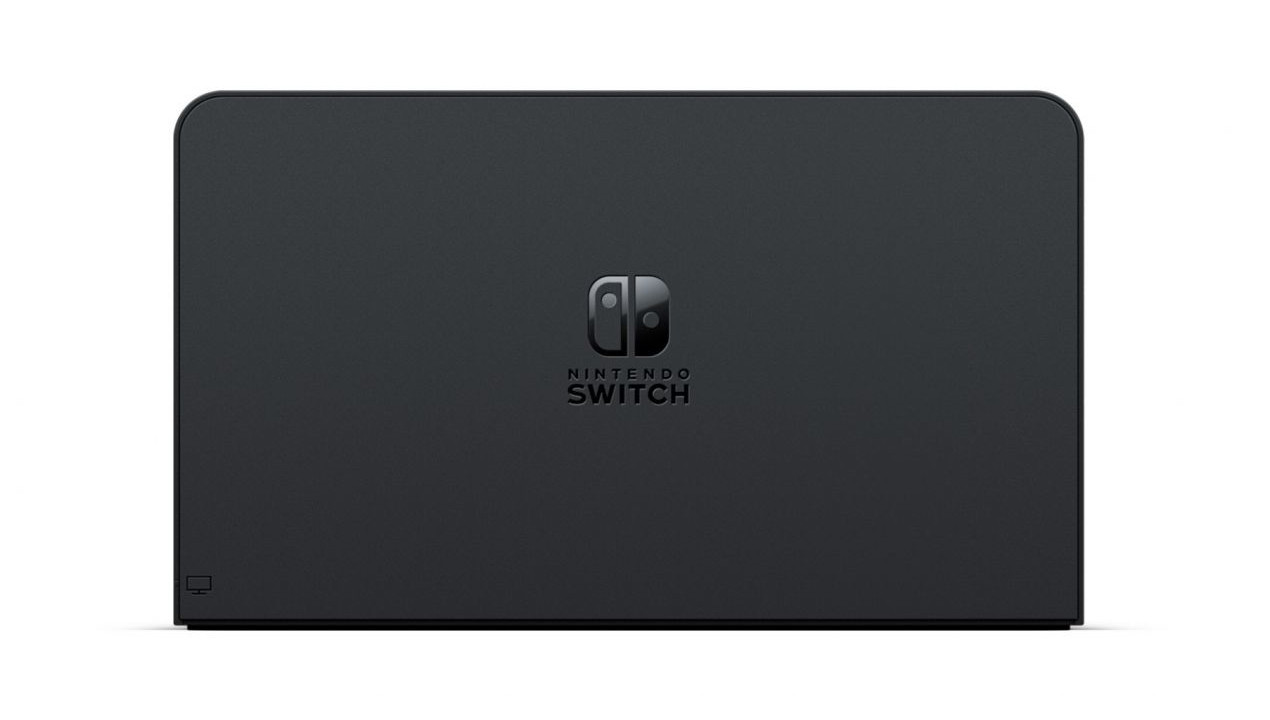
The docking station of the OLED version has changed slightly. Nintendo has rounded the corners and added an integrated LAN connection. Previously, an Internet connection was only possible via WLAN.
Price
The regular Switch costs 329.99 euros (RRP). The Nintendo Switch OLED is around 30 euros more expensive at 359.99 euros (RRP). As of now (2024), you can already get the Switch for around 260 euros. The OLED model is at 310 euros.

More about the Nintendo Switch: If you have purchased a Switch or are starting it for the first time, the Switch will take care of many settings. However, in addition to the basic settings, there are also a few additional tips and notes that you should consider: 8 tips and settings for the Nintendo Switch that you should definitely know

Your opinion is important to us!
Do you like the article? Then let us know!