

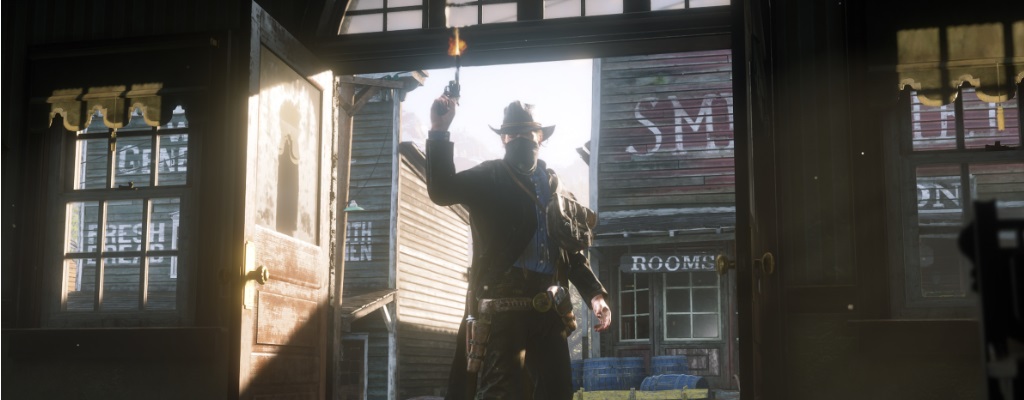
An important step for gaming into the mainstream seems to have been made: A columnist for the New York Times places “Red Dead Redemption 2” on par with the film “The Godfather” and the TV series “The Sopranos.” Surprisingly, Fallout 76 is also praised.
This is what the New York Times says: An opinion piece from the renowned New York Times by author Peter Suderman is titled “Red Dead Redemption 2 is true art.” The article appeared online as well as in print. In print, the article is titled “Much More Than a Silly Game.”
In the article, the author explains that “Red Dead Redemption 2” is the best blockbuster of this season.
The reason readers have heard nothing about this blockbuster is that Red Dead Redemption 2 is not a TV show or a movie, but a video game. And video games are still not on the same level in the public eye as films or TV series.
People discuss the banking system in Westeros from Game of Thrones very seriously but still consider video games a kind of “second-class cultural form” that doesn’t really count.
In the author’s eyes, video games have now earned this recognition.
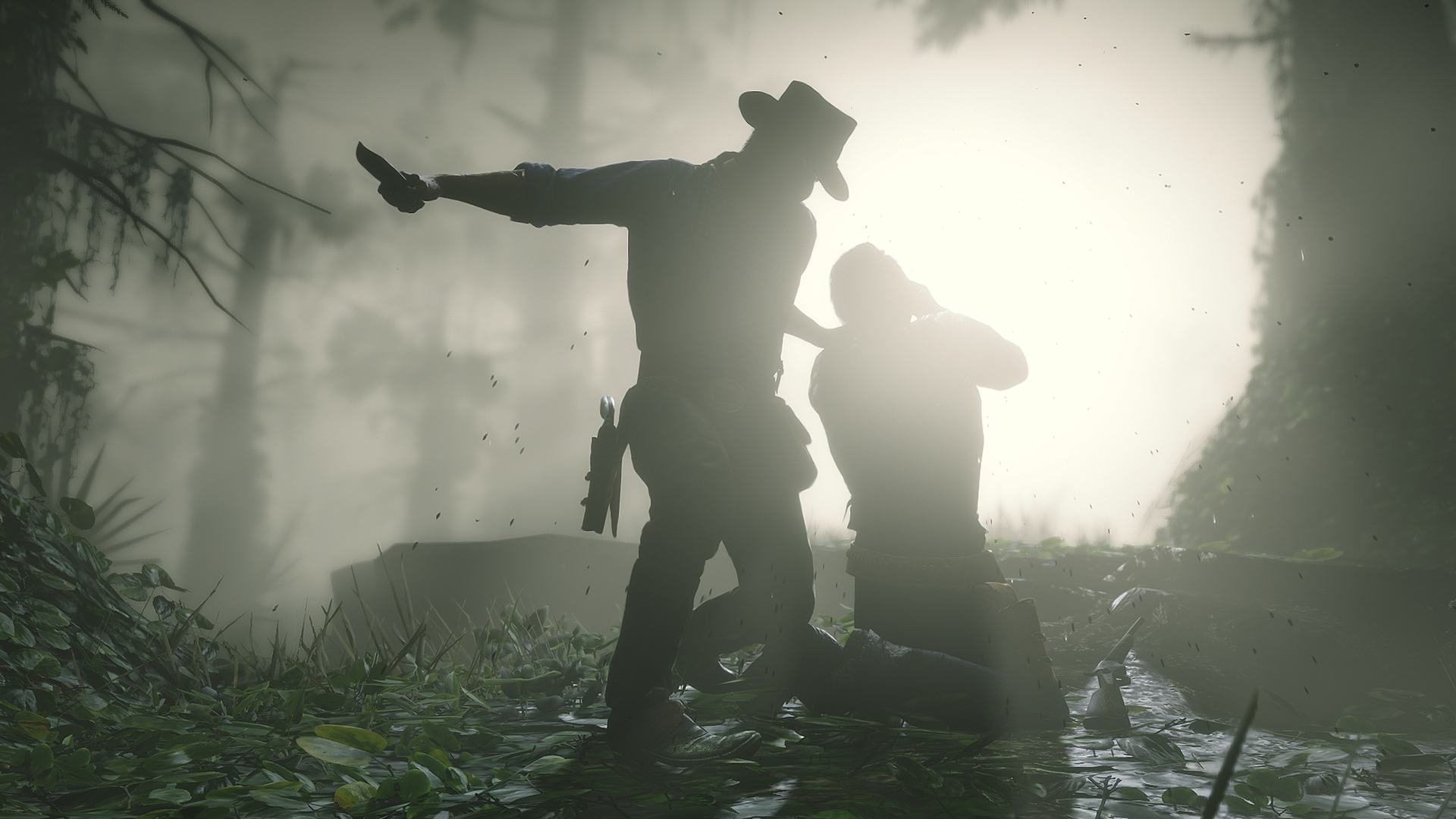
This development is what video games are said to have gone through: For the article’s author, the “great video games” are blossoming much like cinema did in the last century or TV series of the past 20 years. Video games are finding their own path and now appear mature and grown-up.
He places Red Dead Redemption 2 on the same level as cinematic epics such as “The Godfather” or TV series like “The Sopranos” and “The Americans.”
Like these media, video games now also tell great stories both on a large and small scale.
If any game is on par with the classics, it would be “Red Dead Redemption 2” with its enormous volume and production effort.
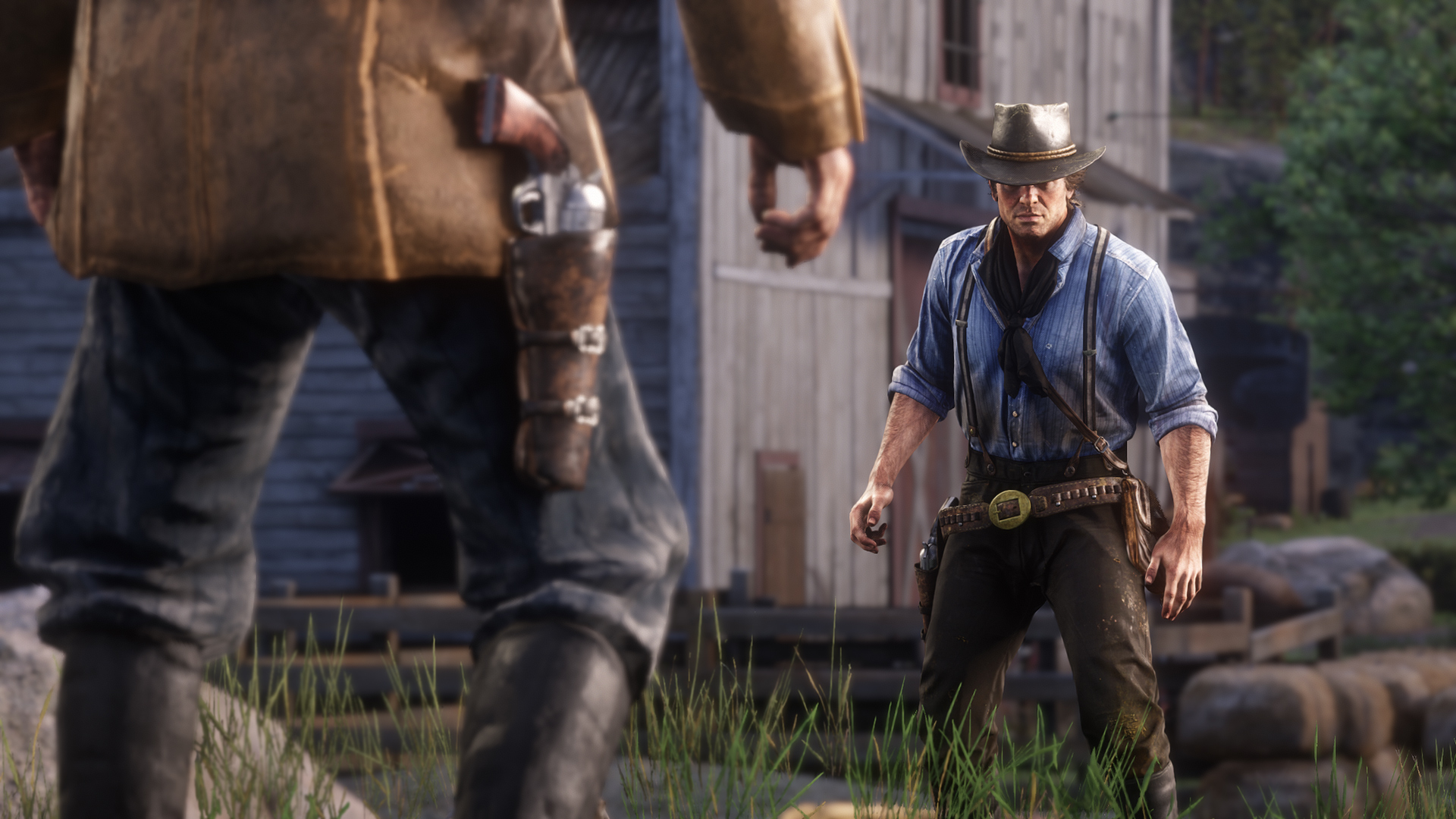
Thus, the Times praises the game: The author praises the technical achievements and dimensions of the game. Red Dead Redemption 2 offers breathtaking landscapes like those from a John Ford film.
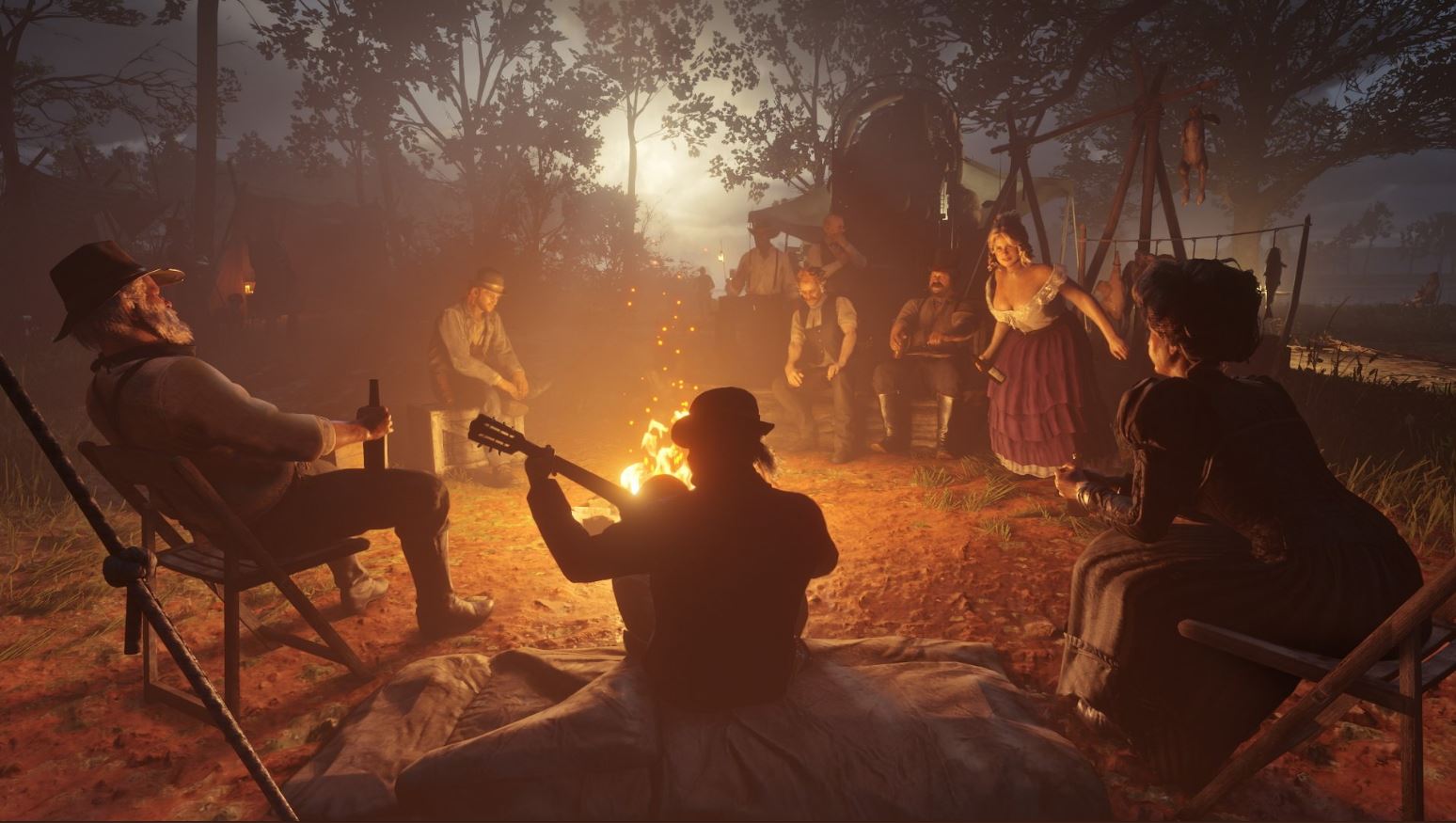
The scenery teems with life, the towns have a daily rhythm, and the wildlife reacts shyly when the player approaches.

Like in the great classics, Red Dead Redemption 2 is full of violence, but it is violence with consequences.
Fallout 76 and RDR2 as “existentialist giants”
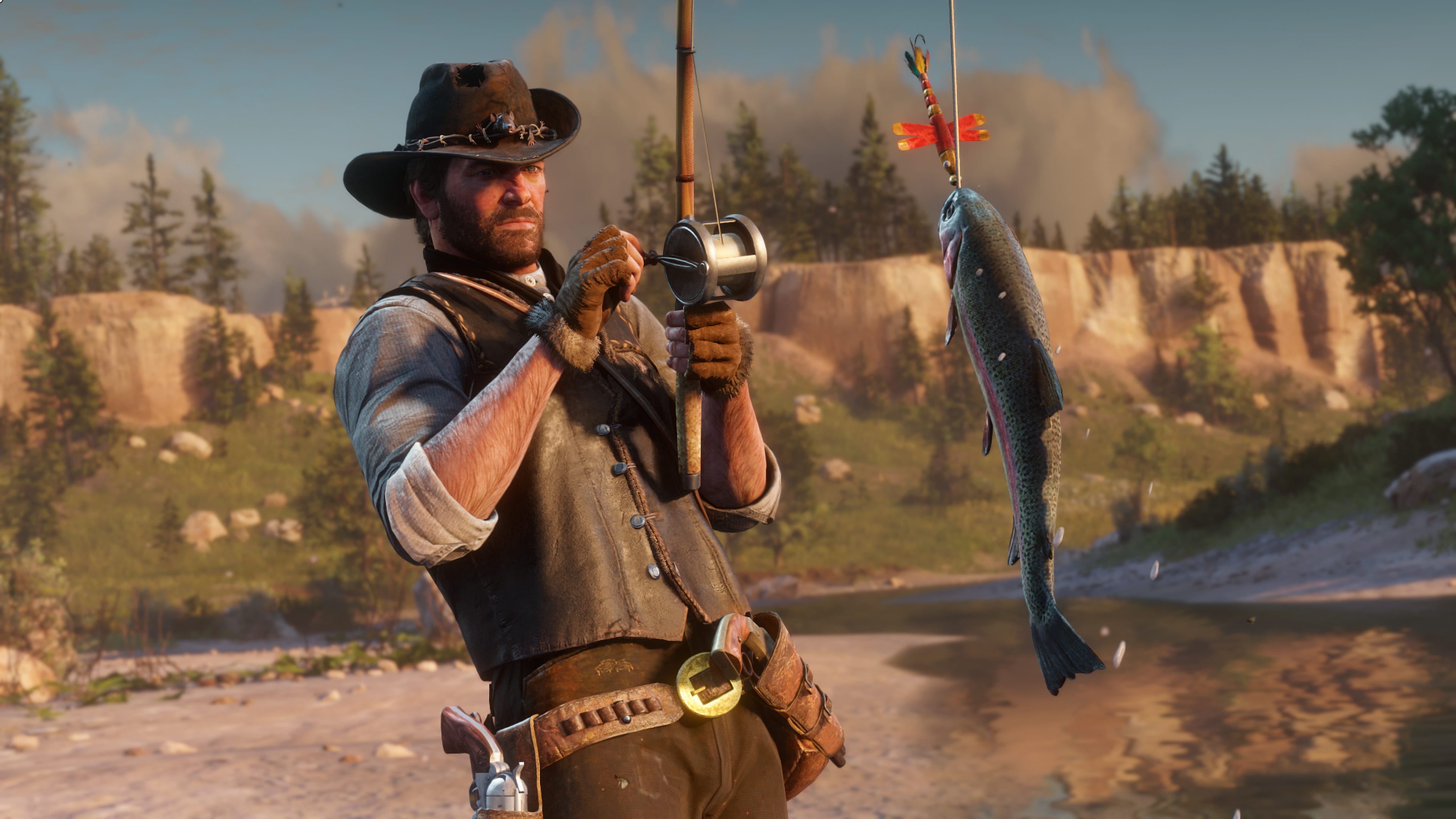
Form supports content: The author emphasizes how the game mechanics in Red Dead Redemption 2 and also in Fallout 76 contribute to supporting the message of the game and the atmosphere.
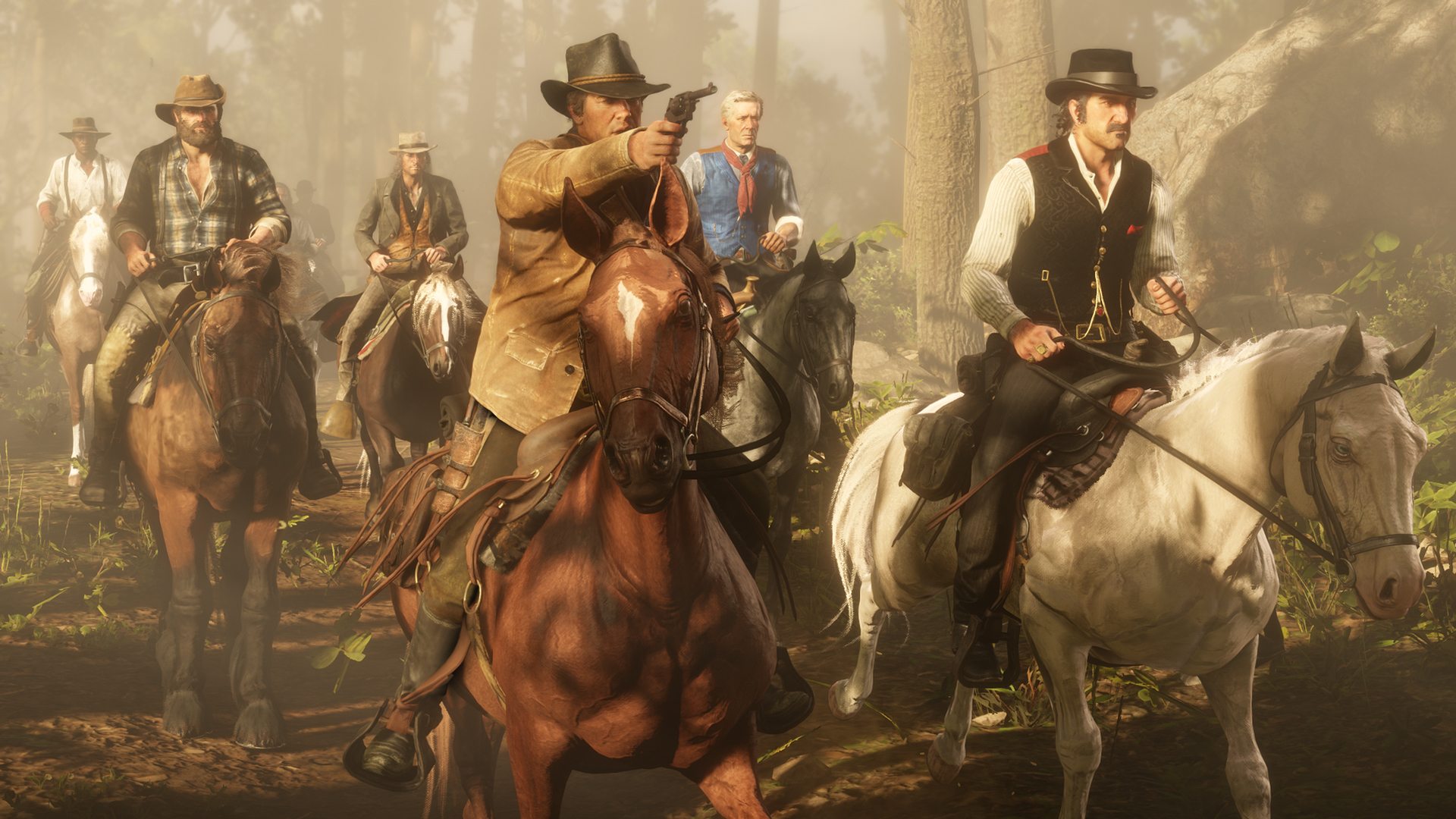
In both games, it is about staying alive. To do so, one must undertake various hardships: take care of the camp, eat, drink, and gather supplies.
This sometimes feels like a tedious chore, but it also leads players to a thoughtful, calm way of playing. This focus on survival forces players to explore their surroundings and progress slowly.
Ultimately, both games are “existentialist journeys” that revolve around the rhythm of survival.
Games are growing up, forcing players to grow up
What has changed in games: Furthermore, the author says many outsiders view games as ways to shirk responsibility, as ways to escape into virtual worlds without consequences.
But Red Dead Redemption 2 is a game that forces decisions on players and teaches them to live with those decisions.
These are games that make players grow up. This shows that video games as a cultural medium have themselves matured.
This is how players react: On reddit, the article has gained much attention. It has over 1,700 comments and almost 28,000 upvotes.
Many joke about the comparison between games and films. One says: “The Godfather also had great graphics and an impressive open world.”
But many are also serious. Some share on reddit how their parents’ attitudes towards video games have changed in recent years. Those who still have “Donkey Kong” in mind and then see Red Dead Redemption 2 notice a shift.
Many parents or grandparents would watch the gamers play now and then ask what movie they were watching or what was going on.
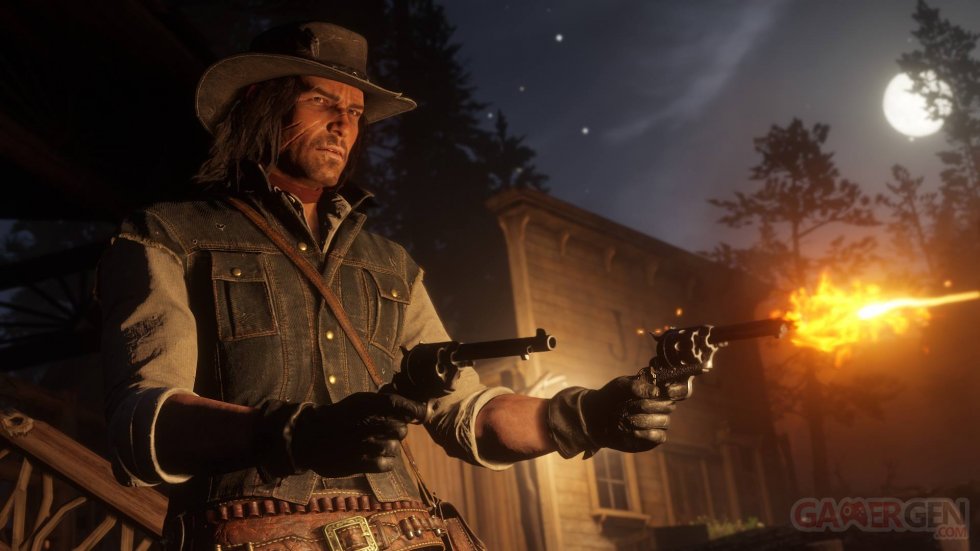
This is why it matters: The discussion shows an ongoing debate about whether video games can be considered art. Throughout history, new forms have had a hard time being accepted by the “established art forms.”
A few years ago, comics were still considered kids’ stuff; today, they are discussed like novels.
Even in 2010, the famous film critic “Roger Ebert” wrote a column, “Video games can never be art.” Eight years later, this credo seems to be slowly crumbling. But it will likely take some time before video games are discussed like books, films, or TV series.


Your opinion is important to us!
Do you like the article? Then let us know!