

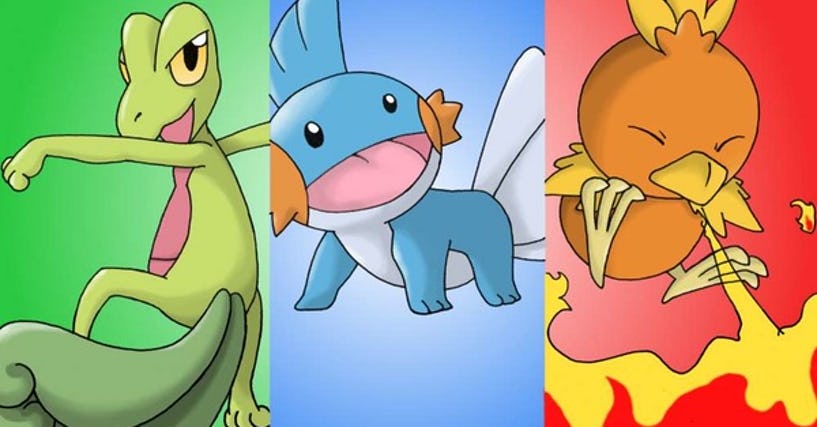
Niantic is planning to release Generation 3 in Pokémon GO soon. This will increase the total number of Pokémon from 251 to 386. New pocket monsters sound fantastic at first, but they also bring problems. This means that Generation 3 is not the end of the Pokémon list. Why this could pose a problem for Pokémon GO, find out here.
Pokémon GO is different from the Pokémon we know from the handheld editions. Niantic breaks with the handheld tradition in Pokémon GO and updates the same game over and over again with new features and generations instead of spreading these across different games.
This means there will be more and more different Pokémon species in Pokémon GO. This leads to problems.

Pokémon works differently on handhelds than on mobile – Level system & regions make the difference
For handheld players, the news of a new generation is fantastic: A new edition is released, with fresh content, new Pokémon and a new region to explore!
With each generation of handheld editions like Sun and Moon, players start from scratch. Each edition is a new game set in a new region of the Pokémon universe.
The known seven regions always received a new generation of Pokémon with a regional Pokédex. The idea behind it is that there are different Pokémon in various areas of the world. Just as there are no elephants in Germany, there are no wild Ponita in the Unova region. Some species cross different regions and old species can always be transferred to the latest version.
Additionally, trainers in the handheld version mostly level their Pokémon through battles against other Pokémon and trainers.
New generations in Pokémon GO will eventually clog the system
However, the situation looks different for Pokémon GO players. When a new generation is released for the mobile version, more Pokémon come into play. The new Pokémon species spread everywhere equally with tiny spawn differences.
This makes it more difficult for GO trainers to level up and strengthen their Pokémon. If GO trainers catch a Pokémon, they earn candies for its species. The candies can then be fed to any Pokémon of that species. This levels up the Pokémon and makes it stronger. This means that GO trainers need to catch a particularly large number of the same species of Pokémon if they want to level them up.
With more species, it can become torturous to find the same Pokémon repeatedly among hundreds. This also significantly slows down player progression, as everyone takes much longer to find and level their Pokémon.
Another problem is the storage of new Pokémon. In Pokémon Go, trainers can store a maximum of 1,000 Pokémon, which has been insufficient for many since Generation 2. Trainers often keep multiple Pokémon of the same species to retain those with the best IV bonuses and move sets – or special Pokémon like the Pikachu with Hat.
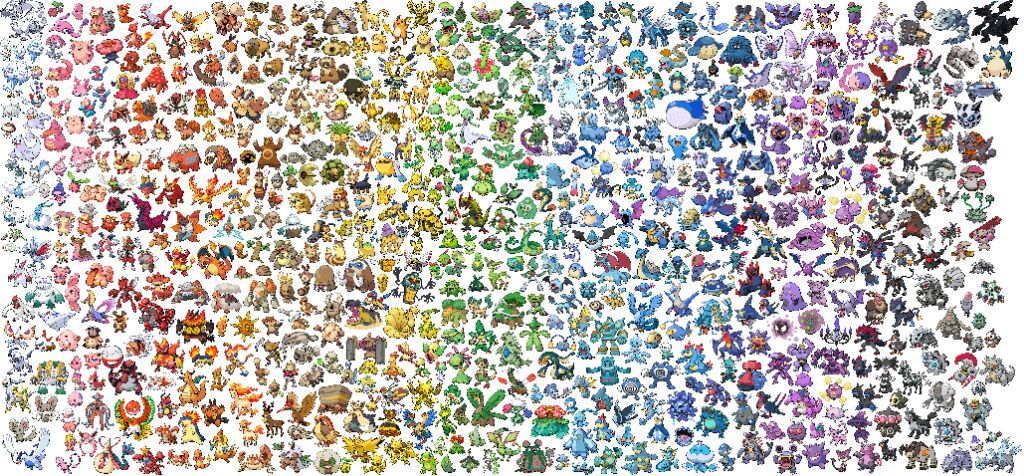
Niantic must find a solution to these problems – At the latest with Generation 3
Since the release of Generation 2, several trainers have been struggling with the problems mentioned above. With Generation 3, 135 new Pokémon will come into play, raising the total number of Pokémon from 251 to 386.
By now and until the arrival of Generation 4, Niantic should come up with a solution to these problems – before players become frustrated due to a tedious grind. Pokémon GO must be treated differently when adding new generations than the handheld versions.
Possible approaches could be:
- A rotation: Niantic could implement a similar rotation as they currently do with the legendary beasts. Here, the three Pokémon rotate across different continents. It could work such that two generations are rotating globally and appearing in different locations. A disadvantage would be that trainers would always have to wait for the rotation to catch certain Pokémon again. Or they would have to travel.
- More ways to obtain candies: There are currently only limited ways to obtain candies. Niantic could consider a system to increase the number. Special candies already exist for raids and are usable for any species. Niantic could expand on this.
- A reset: Generation 3 could come with a reset, where every player starts over. This would remove Generation 1-2 from the game and provide a fresh start. A similar concept as in the handheld regions. However, players have already invested a lot of money and time in their Pokémon and would rightfully be upset and sad if they were to be removed.
- Pokémon GO 2: A new app with the new generations and new features. Would Niantic’s servers be able to handle it?
It is not easy to find an optimal and fair solution to the problem. However, it is certain that new generations will bring these issues if Niantic continues to introduce new Pokémon as it has so far.
What do you think? Are new generations really a problem and what would your solutions be?
Collect candies for Generation 4 before the grind becomes too tedious

Your opinion is important to us!
Do you like the article? Then let us know!