

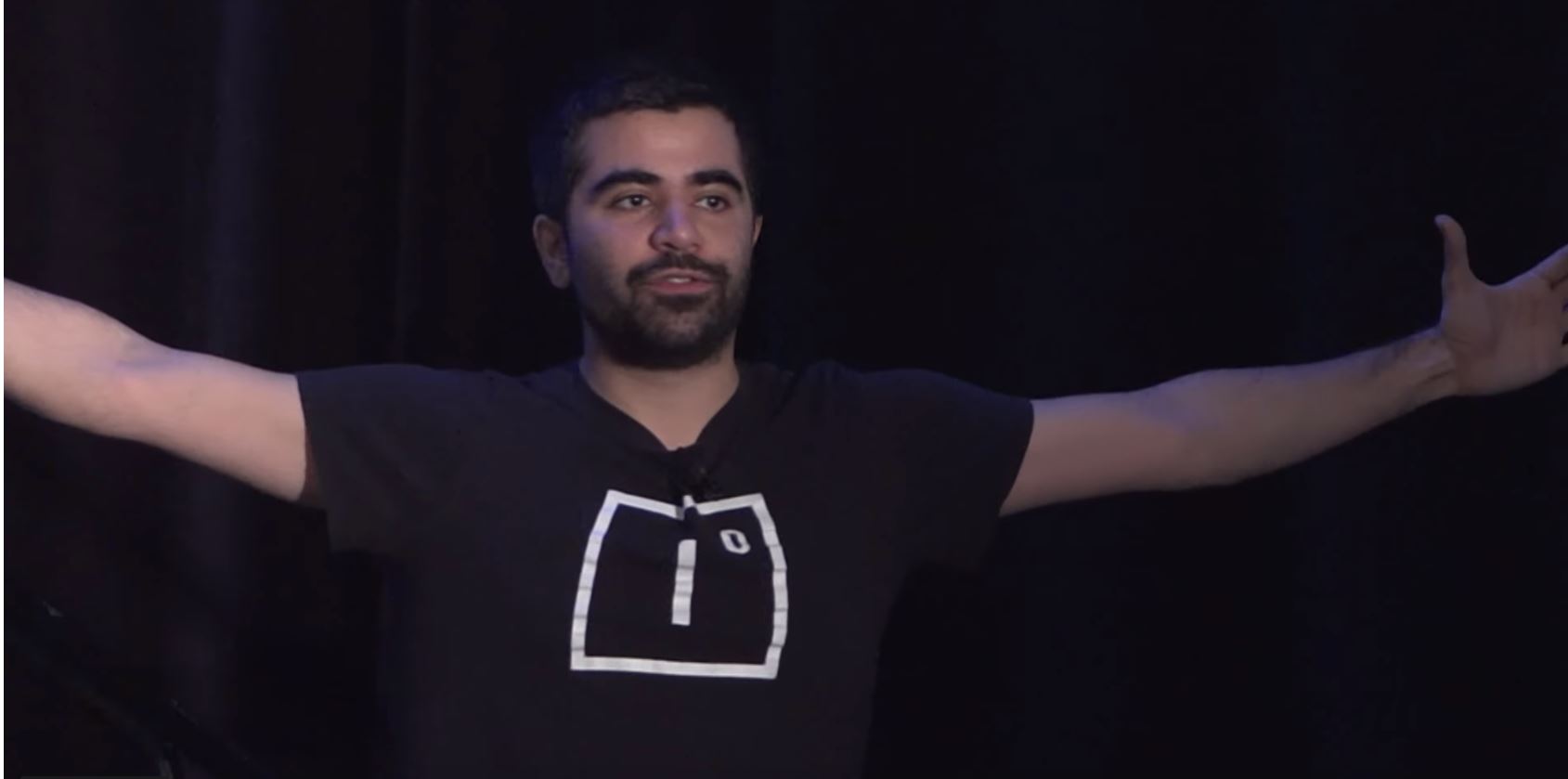
If you look around for who can provide new impulses for online games in 2019, you will repeatedly encounter the company Improbable. At the helm is Herman Narula (30). He could be crucial for a future with new, different MMOs and MMORPGs, says our author Schuhmann.
Who is the man? That is Herman Narula, a 30-year-old Brit who was born in India. His father is a billionaire, also an entrepreneur, and runs a large construction company.
Herman Narula studied computer science at Cambridge. Together with partners, he founded his own company in April 2012: Improbable. At that time, he was 24.
In 2017, the company was valued at more than 1 billion US dollars after a investment round.

He wants to build the Matrix
What does Narula want? From the beginning, Narula spoke of building huge virtual worlds that could accommodate thousands of players.
- As early as 2014, he told Wired: You could have a Call of Duty with its own army.
- In a 2017 interview, he expressed excitement about Destiny and said his mouth watered when he thought about what a studio like Bungie could create if they partnered with his company.
- Later, he simply referred to building “the Matrix.”
The goal is to create a massive simulation that runs in the cloud. Players should be able to make decisions that truly impact the game world because everything is simulated.
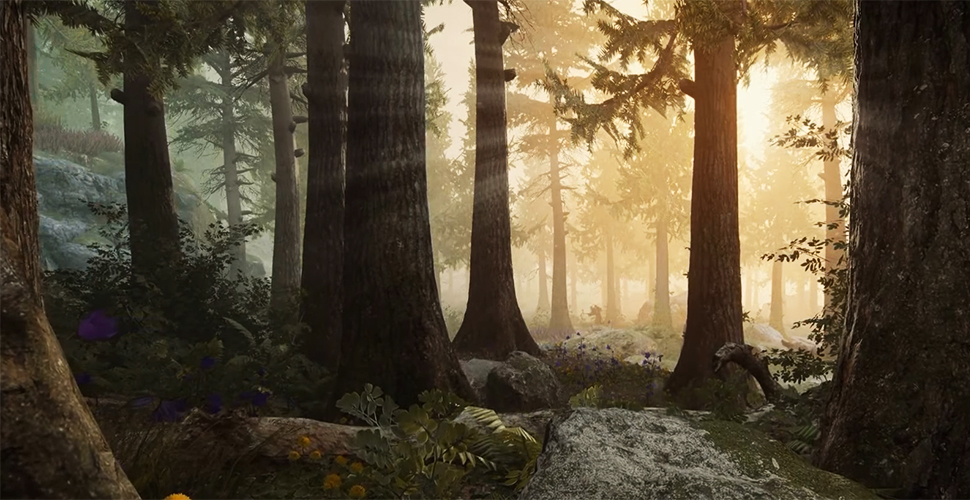
How does he plan to achieve this? The underlying technology is called “SpatialOS” and is cloud-based.
The larger a simulation is, the more computing power it requires. The idea behind SpatialOS is to break down a massive complex world, where many things happen simultaneously, into individual tasks.
A “worker,” a microserver, takes care of its task in the world. When the worker reaches its limits, additional servers are supposed to be dynamically added to distribute the tasks further.
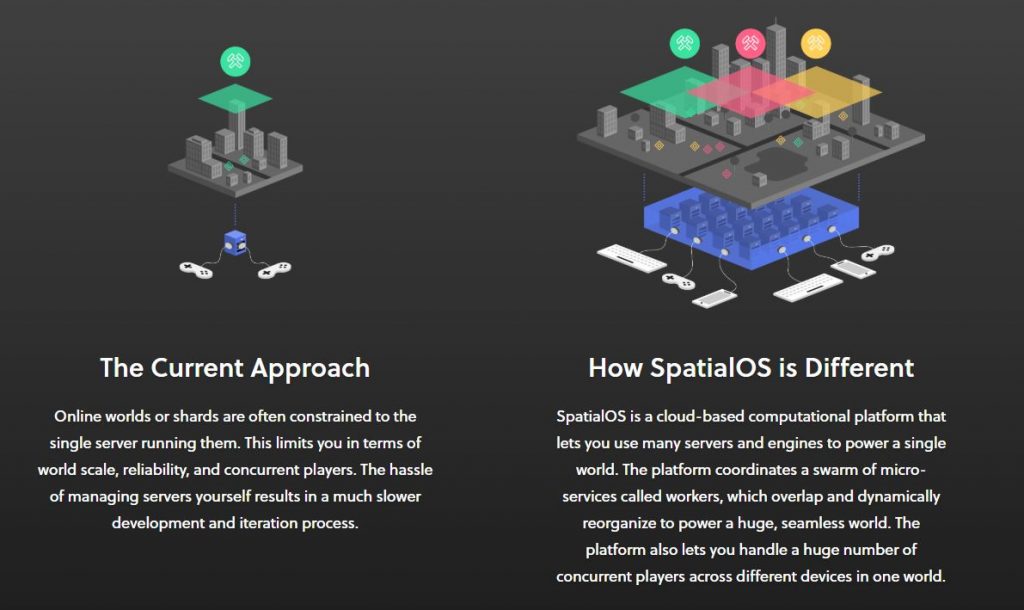
Ultimately, many “workers” work on their respective tasks, and SpatialOS is the fabric that holds everything together in the world.
SpatialOS aims to simulate online worlds
What kind of MMOs are emerging? Currently, it looks like games focusing on PvP and sandbox elements are being developed.
The strength of SpatialOS is not in “quests” and classic story design, but in huge worlds filled with life by players.
Thus, the first games often have a “PvP” or “simulation approach.”

These indie games rely on SpatialOS: The first MMOs currently being developed with SpatialOS and presented are all being created in collaboration with indie teams and smaller start-ups.
The most well-known game with SpatialOS that has already been released is Worlds Adrift.
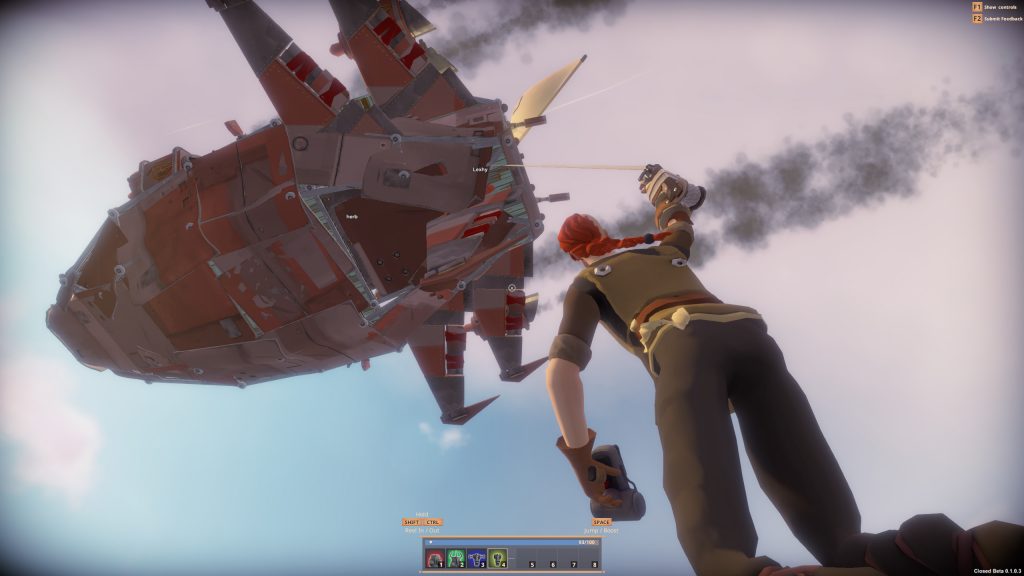
Other games in development include:
- Scavengers, a shooter focused on loot, co-op, and survival
- Maverick Proving Grounds, a shooter aiming to accommodate up to 1000 players
- and Seed, an experimental MMORPG

These are the big deals: However, some major moves have also been set in motion:
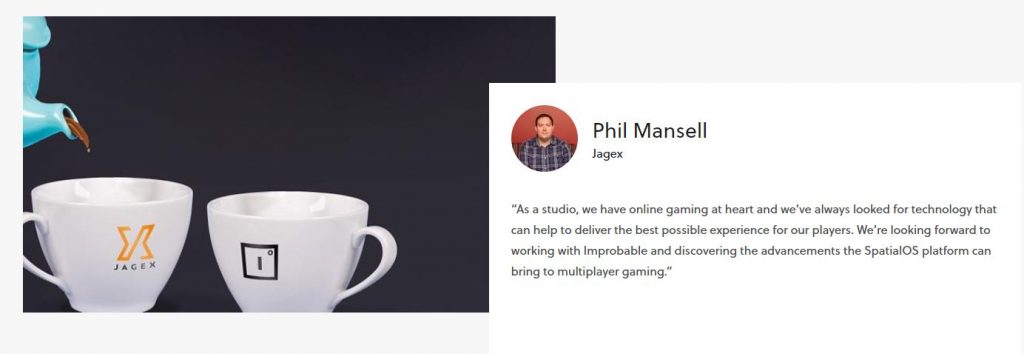
- Improbable has struck a deal with NetEase to develop online games in China – NetEase invested 50 million $ there
- There is a deal with the German company CryTek
- Improbable has opened its own studios to develop games themselves
- and has also partnered with Epic to make the Unreal Engine appealing to indie developers
However, there have been no concrete news about these “high-budget” games yet.
This is why it matters: Currently, Improbable is the major driving force in the world of online games.
There is little to expect from the major traditional publishers at the moment, as MMORPGs are too expensive to develop.
If innovation and movement come to the genre in the coming years, it will likely be from Improbable and their partners.
One can be curious about what games will emerge here and whether Narula can truly realize his grand plans. Some people with a hell of a lot of money certainly seem to believe in it.


Your opinion is important to us!
Do you like the article? Then let us know!