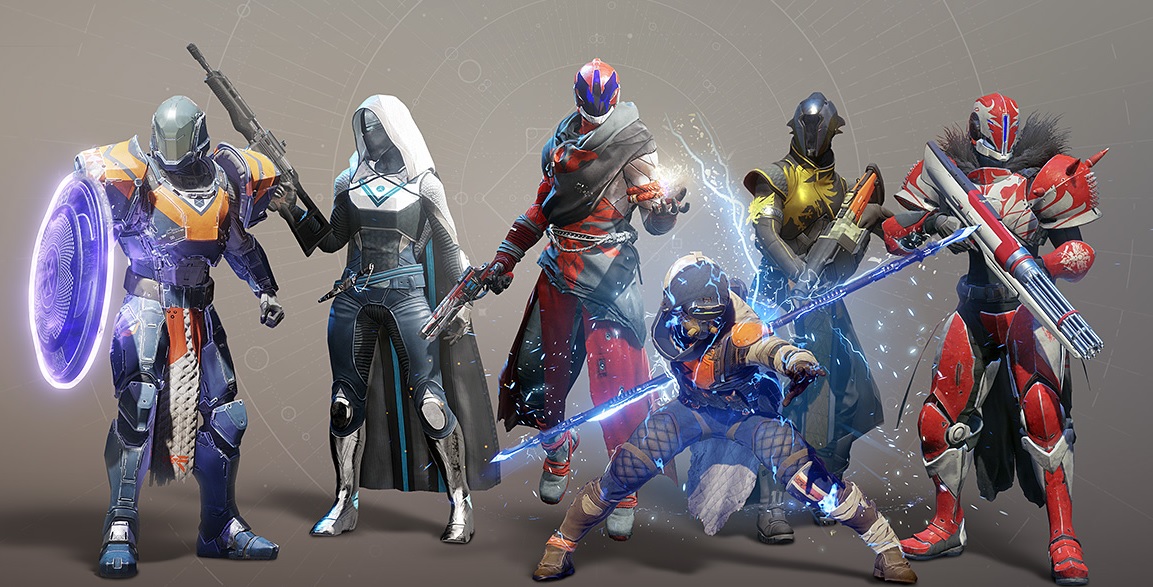
Bungie announces major changes for Destiny 2 and apparently leaves the substitutes in the field.
The development of Destiny is opaque. While hundreds of specialists are working in a huge studio in Seattle on Destiny 2, the game releases come from different people in leadership positions. They are responsible, set the direction, and are the ones who present and showcase these games.
There are at least three people who have already been “key figures” for a part of Destiny, for an expansion or a DLC. They appear together with others, with whom they work in a team. Each individual is accompanied by a group of additional developers. This is Bungie’s philosophy: they rely on teams working together, not on individual people.
But we will still pick out the individuals as representatives for their teams.
Like an overloaded football team, there is a kind of “A-team” that takes care of the important releases, and a “B-team” that handles smaller releases.
In addition, there is a live team and a PvP team, led by the rogue Lars Bakken. There is a sandbox team that balances weapons, and the community team, and many other departments of Bungie that we want to exclude here.
A-Team and B-Team – Who is who at Bungie?
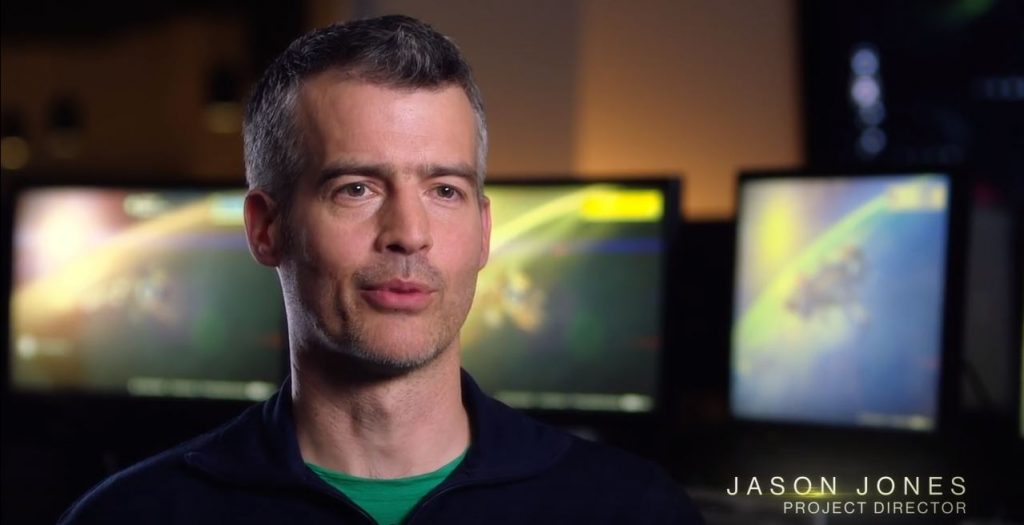
- The original game Destiny is mainly attributed to Jason Jones. He is a co-founder of Bungie and a programmer who gradually transitioned into management. Jones was already responsible for Halo. He also served as Project Lead for the 1st DLC “The Darkness Rises.” Jason Jones was for a long time the head of Destiny, the leader of Bungie’s “A-Team.” However, he seems to have gradually stepped back into the background since the release.
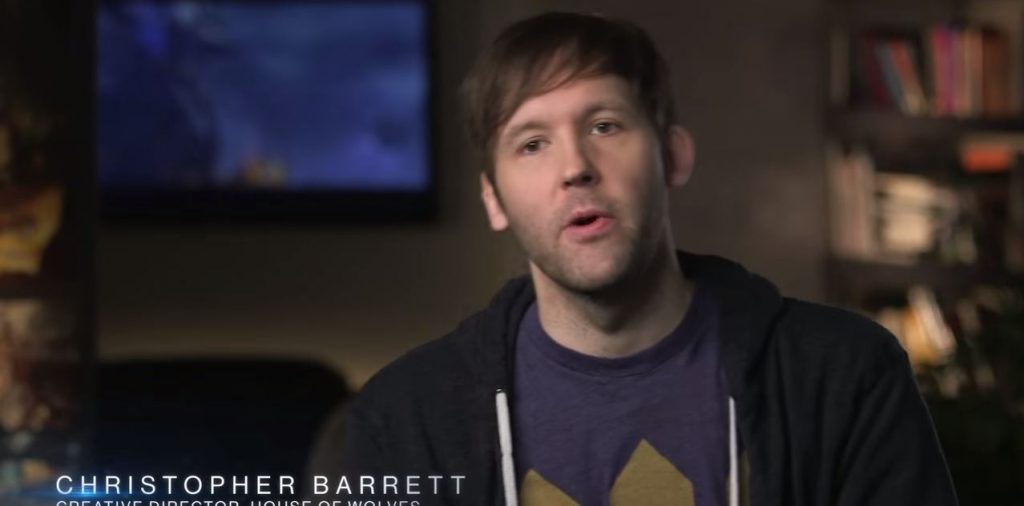
- For the Destiny DLC House of Wolves, the B-Team from Bungie was used for the first time. The team included Game Director Christopher Barrett, Producer Scott Taylor, and Designer Matt Sammons. By the way, Sammons was the poor guy who suffered for an hour alongside DeeJ and Professor Broman during the legendary “Prison of Elders” stream .
- For the first expansion to Destiny 1, for “The Taken King,” another team stepped in. That was Luke Smith supported by Producer Mark Noseworthy. Smith is a trained journalist and passionate WoW player. Until then, he had designed the raids in Destiny, and was promoted after the success of “The Glass Chamber.”
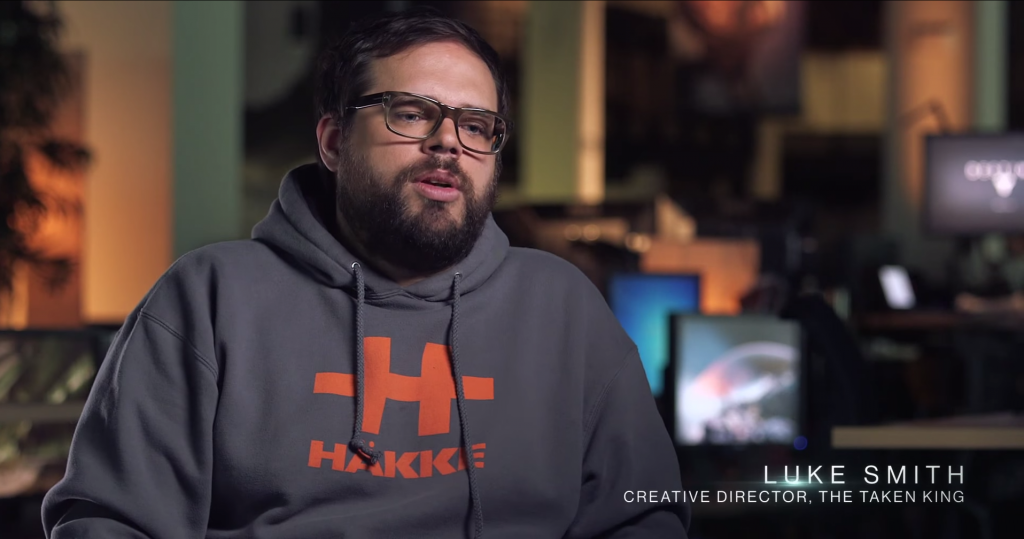
The reluctant expansion “Rise of Iron” had Bungie create it once again with the B-Team led by Christopher Barrett, while the A-Team with Luke Smith took care of Destiny 2. They explicitly wanted to stay together as a team after the celebrated “The Taken King.”
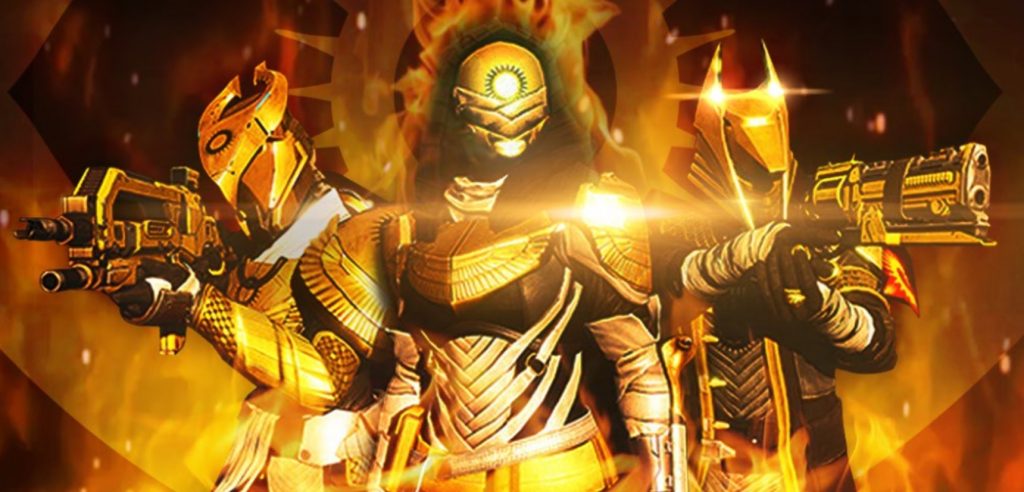
The irony is that while the “A-Team” led by Luke Smith was responsible for Destiny 2, the problems that arose should now be solved by the B-Team with the DLC “Curse of Osiris.”
Because Thursday evening it was Christopher Barrett who announced how Bungie intends to improve Destiny 2. Luke Smith has gone underground again; he is probably busy with a big addon for Destiny 2 that we expect in September 2018.
Destiny 2: Christopher Barrett saves the day
So Barrett has to fix it. Christopher Barrett is probably responsible for the first DLC for Destiny 2, for “Curse of Osiris.” This would be the third Destiny project he leads after “House of Wolves” and “Rise of Iron.” Because Barrett had already inquired on Twitter what the fans want for the “first expansion” to Destiny.
Christopher Barrett, like Luke Smith, is a kind of lateral entrant into Bungie’s “Game Director” ranks. Barrett is actually a trained artist, was an artist on the first Halo, and over the course of 15 years became the Art Director for Destiny and now has been promoted to Game Director, gradually transitioning into management.
Can the B-Team solve the problems?
Destiny 2 is in a strange situation. While there is plenty of content available and the gameplay is fantastic, the economy of Destiny 2 is off. There is too little reason to explore the game’s content.
Especially strikes, adventures, and lost sectors are played too little. Public events dominate. Prestige activities and the crucible are also not rewarding. Players lack the carrot in front of their noses that they can chase after in Destiny 2. In Destiny 1, there were still special exotics or the god roll of legendary weapons – in Destiny 2, there are no god rolls and the exotics are not as coveted as in Destiny 1.
Christopher Barrett is supposed to save Destiny 2 by changing some of the fundamental ideas of Destiny. Changing the way guardians deal with loot, how they get stronger, and the reasons they play Destiny 2.
Barrett was already the head of a Destiny DLC that fundamentally changed the economy:
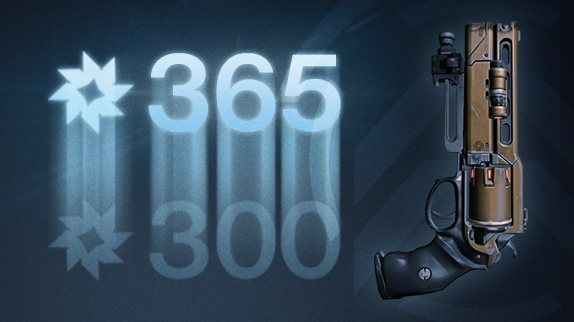
“House of Wolves” was low on content but introduced gameplay mechanics changes. Back then, Bungie introduced the ability to upgrade weapons to the current maximum level. This went quite wrong. The sudden generosity of Bungie took away the motivation for players to engage with the game’s content: They already started “House of Wolves” with the overpowered old weapons like the Fatebringer and no longer want the new ones.
Now Barrett and his team are supposed to ensure that hardcore players have something to do in Destiny 2.
The central promises from Barrett on Thursday were also that they want to create incentives to reward players better. Destiny 2 wants to make better use of the existing content; everything should become more interesting, inviting players to replay it multiple times.
The DLC itself will likely revolve around Osiris and Mercury, but players’ focus is on the changes to game mechanics in the background.
What’s next?
Currently, Bungie has only “11 goals” in mind for what they want to change in Destiny 2. They haven’t communicated exactly how all of this will work yet.
Barrett and his team will probably introduce the planned improvements in a series of three live streams in November. They currently have no date yet – but fans should expect them on November 14th, 21st, and 28th.
With most of the improvements, one can be optimistic about maybe getting them in the first DLC. It is already set for release on December 5th.
If one is pessimistic, one might also suspect that changes will only come later.
Will the changes really come with Curse of Osiris?
Currently, there is only a time window for “Private Matches” in the crucible – they are supposed to return “early in 2018.” This could mean that the other 10 points might really come to Destiny 2 on December 5th – but one shouldn’t be too sure about such things. Bungie is not really known for reacting quickly to feedback. The December expansion has often been rather thin.
Barrett should hurry with his mission to save Destiny 2. The PC guardians are still fresh, but players on PS4 and Xbox One are losing interest.
The second DLC for Destiny 2 – it’s going to get even funnier – will likely not come from the A-Team or B-Team, but from the “C-Team,” from the external High Moon Studios that Activision has brought in as help.
Contract work on the 2nd DLC of Destiny 2? The trail leads to Mars