

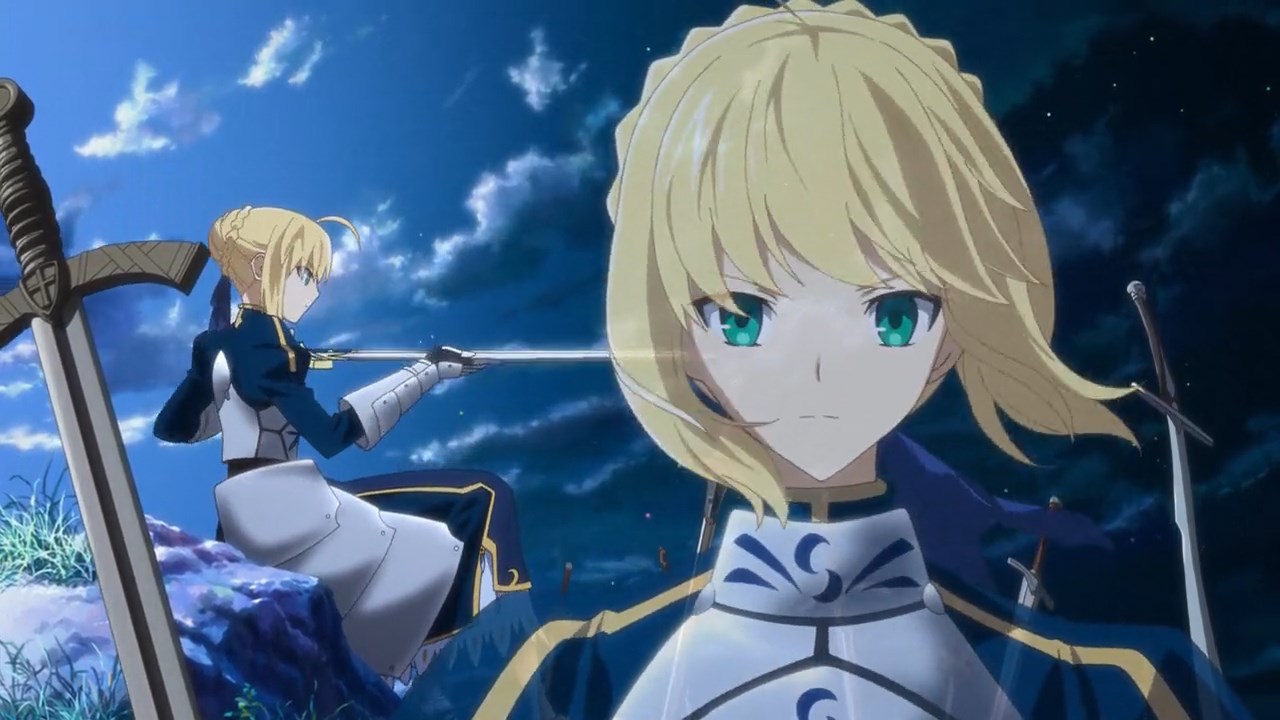
The mobile game Fate/Grand Order is considered the prime example of “Pay2Win” games. But the gacha principle works incredibly well. According to new reports, players have spent 3 billion US dollars – predominantly in Japan.
How much money does the game make? As reported by SensorTower , Fate/Grand Order has generated approximately 3 billion US dollars globally since its release in August 2015.
This corresponds to a $60 PS4 title that has sold 50 million copies:
- 82% of the 3 billion dollars come from Japan, which is about 2.2 billion $
- 12% from China – 360 million US dollars
- In the USA, it accounts for 3%, which is about 90 million dollars
The game is distributed in Japan and the USA by Aniplex, a subsidiary of Sony Japan. Fate/Grand Order is an important revenue generator for Sony.
In South Korea, Netmarble is the publisher – they have been considered pioneers in the mobile sector for decades.
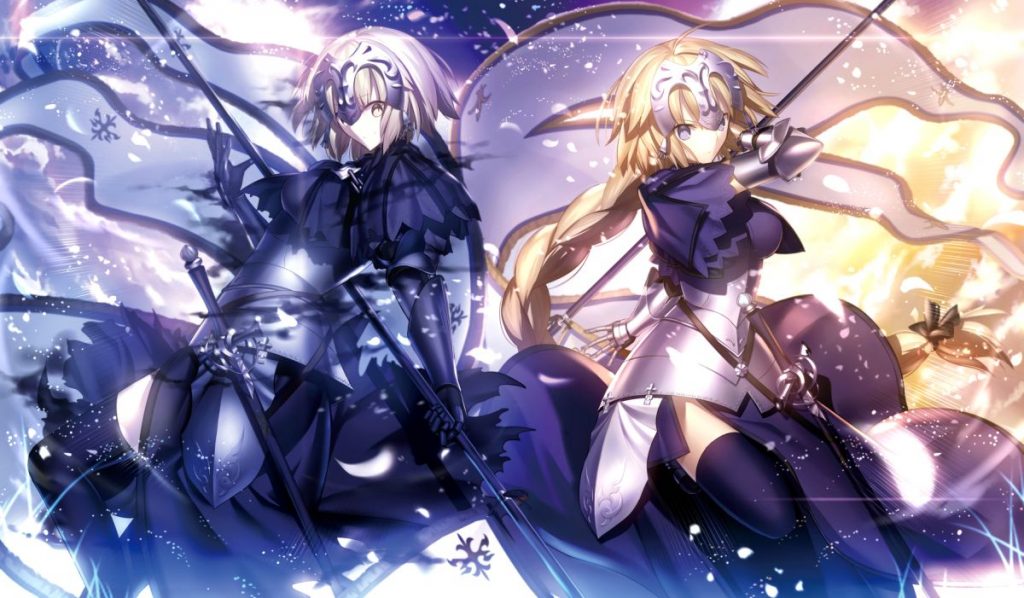
What kind of game is it? Fate/Grand Order is an online game for mobile platforms iOS and Android. It is based on the Japanese visual novel Fate/stay night.
The game was released:
- In 2015 in Japan
- In 2017 in the USA and South Korea
Fate/Grand Order is a turn-based role-playing game. The player collects characters and can use up to 6 of these Servants in a match: 3 are active, 3 in reserve.
These games are also called “Collectibles RPGs”, because ultimately it is about collecting special heroes.
Players access the Servants in Fate/Grand Order via a “Gacha” mechanic: thus through classic “loot box” mechanics. The mechanics are considered “Pay2Win” in the West – in Asia, however, the mentality seems to be different.
Gacha originally comes from Asian machines that operate similarly to the gum machines we used to have. You put in money and have a chance to get something good or a dud (the gum).
The in-game currency “Quartz” can be earned by players in Fate/Grand Order or purchased through microtransactions – it is needed to pull at the machine and trigger the Gacha mechanic.
Fortnite: Save the World used similar gameplay mechanics here in the West in 2017.
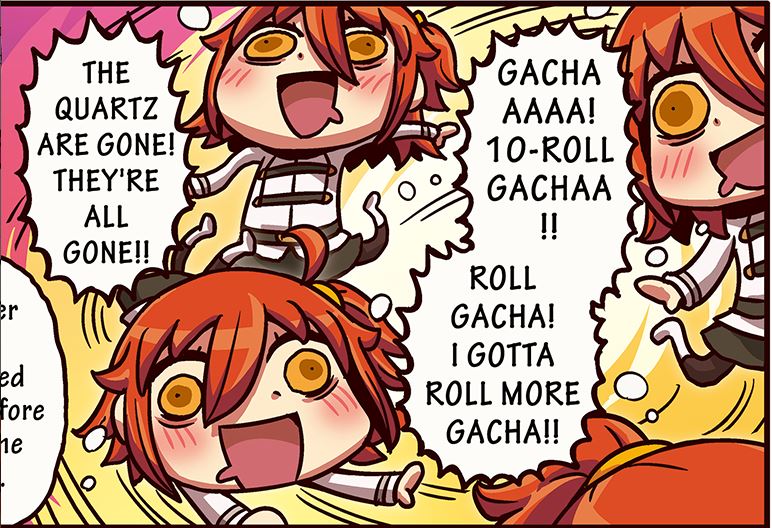
Why is the game considered Pay2Win? There are many stories of players who spend a lot of money on microtransactions to win specific, extremely rare heroes. The odds of getting the top prizes in these systems are tiny and players invest a lot of money on microtransactions to get the heroes they want.
- The Wall Street Journal reported in March 2018 about a man who spent $70,000 on the game.
- The US site Polygon states that Fate/Grand Order openly addresses this Pay2Win aspect and has even made it part of the advertising for the game.
What is the key to success? The catch is that the players of Fate/Grand Order build an emotional connection to the most coveted heroes and desperately want them because they consider them to be particularly cool.
However, these heroes need to be obtained multiple times to optimize them, and the odds are tiny.
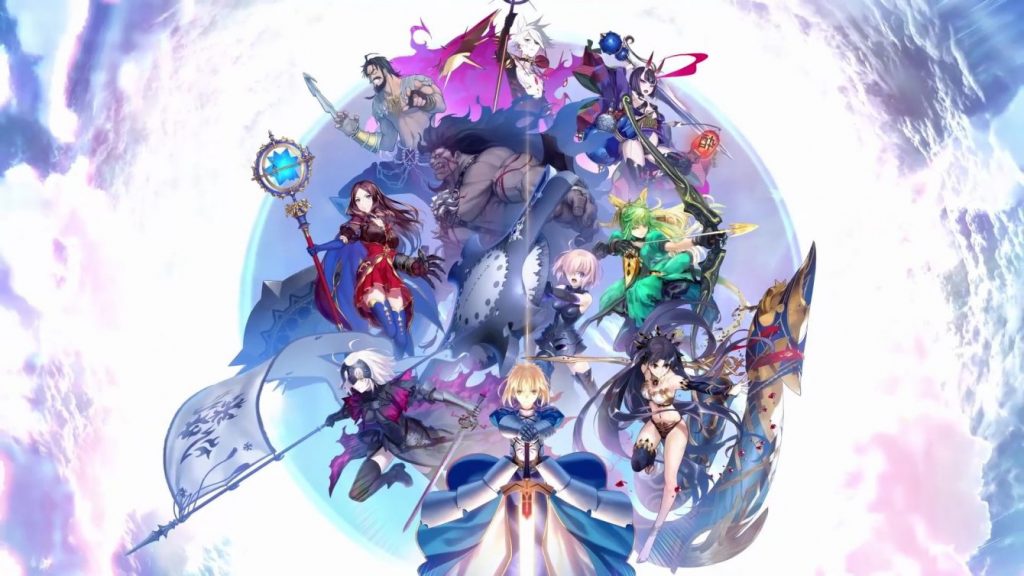
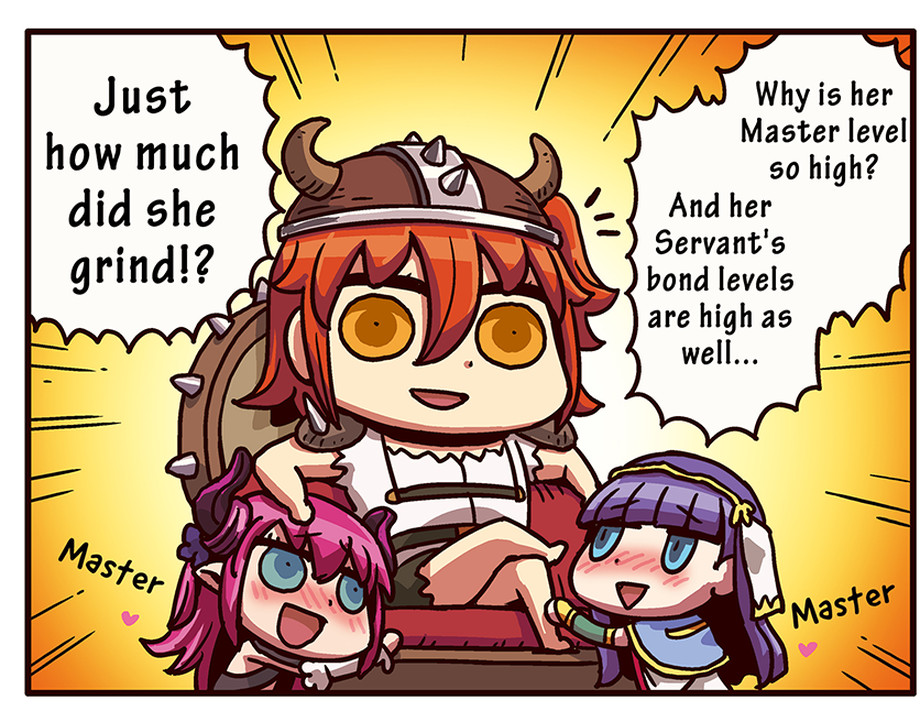
How does Fate/Grand Order deal with Pay2Win accusations? Fate/Grand Order has designed a character named “Gudako” who is a classic whale, meaning she invests massive amounts of money to progress quickly in the game and acquire everything she wants.
She is apparently driven by the desire for other players to admire her and want to be as powerful as she is.
According to Polygon, fans love this character.
What lies behind it: The success of Fate/Grand Order shows differences in culture:
- Here in the West, gacha mechanics in games trigger shitstorms. “Paying for Progress” is frowned upon – only purely cosmetic cash shops like in Fortnite, LoL, or Overwatch are tolerated by core gamers.
- In Asia, however, the situation is different.
Therefore, Asian companies that bring their online games to the West also always announce that they will adapt the game for the market and “tone down” the cash shop.
Apparently, Western players and Asian players have different tolerance thresholds and perspectives on this matter.


Your opinion is important to us!
Do you like the article? Then let us know!