MMORPGs are struggling. The genre is not as successful as it once was. But does it help if developers want to cater to more and more different play styles?
Video games are changing. In the past, turn-based battles were popular in role-playing games, today it’s real-time combat. In the 1990s, classic adventures were bestsellers; today, the genre is in a niche. MMORPGs revolved around the freedoms of players to interact together – or against each other – in a dangerous online world during the times of Everquest and Ultima Online.
Are MMORPGs combining too many genres in one game?
Today, MMORPGs need to be jack-of-all-trades. A group of players prefers complex and profound quests with exciting stories, so an MMO must provide this. But others prefer the freedoms of a sandbox with open PvP. So they try to squeeze that in as well.
But wait! MOBAs are currently very popular, so this gameplay principle could surely be integrated somewhere. And of course, the currently popular survival features must not be missed. And who knows, maybe an online collectible card game could fit in there as well?
But above all that, developers forget that not everyone likes all these elements. There are always compromises to be made.
Combining all elements in a game comes with just as much risk as releasing an MMO that targets only one specific audience. Those who want to focus on quests and story may not be inclined towards PvP, as who wants to be constantly attacked when they are just trying to complete quests? Thus, open PvP is already not an option. However, this steps on the toes of PvP fans. Because they generally want to feel endangered and be able to attack and be attacked at any time.
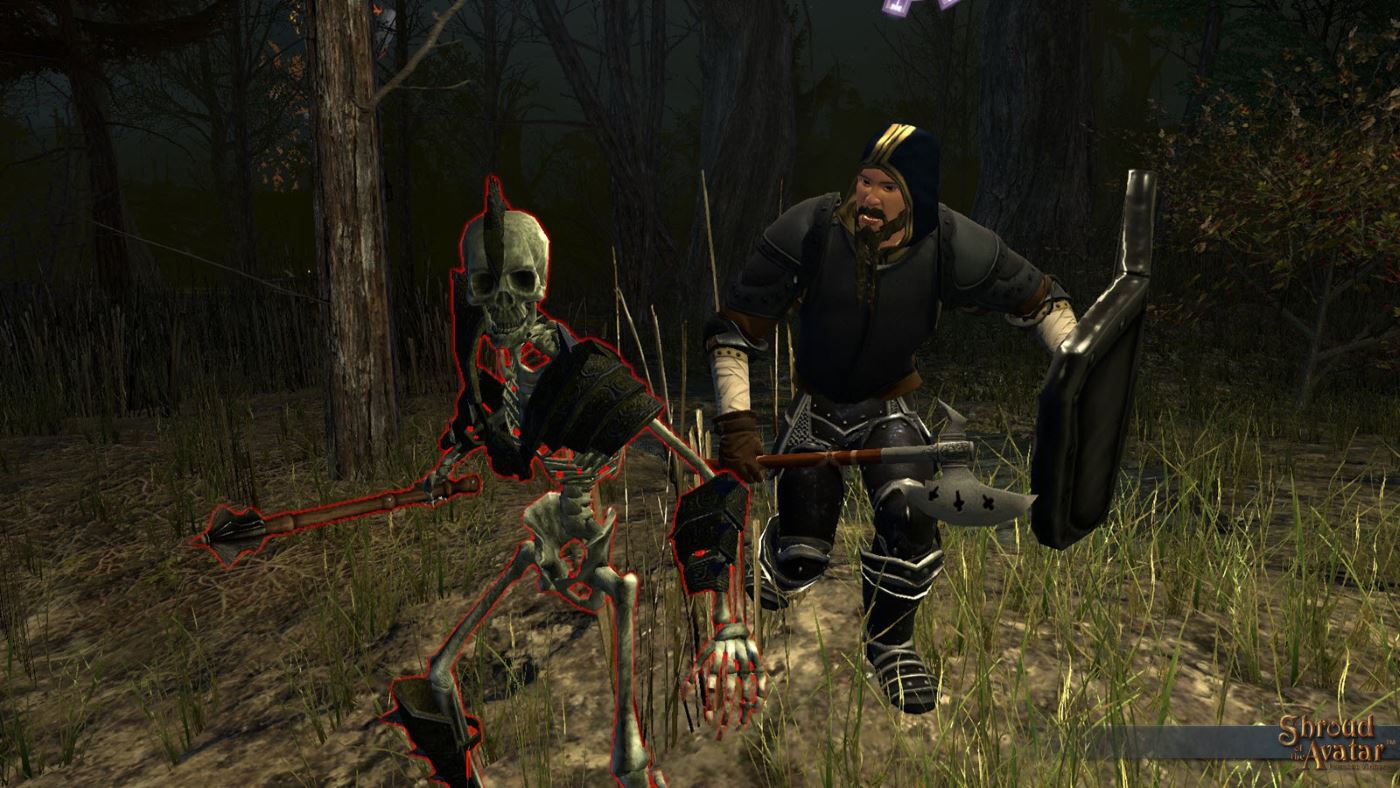
Trying to gather as many players as possible for large group content like raids conflicts with survival elements, where players are supposed to feel alone in a hostile environment and have to survive here. If a development team like that of Shroud of the Avatar integrates a collectible card game into the combat, they must be prepared for criticism from those who envision a classic tab-targeting hotbar combat system for an MMO.
You Can’t Please Everyone
It’s playing with fire. MMORPGs can be very lucrative. Because a good MMO will bind loyal fans who are willing to spend money on additional content. Moreover, due to ongoing costs from server infrastructure and constant development, it’s necessary to generate revenue. Especially smaller indie studios can quickly face disaster if the money stops rolling in.
The possibilities are: to target a specific audience and risk only covering a small niche, or to develop a game that combines many play styles and aims at a broad audience.
But with this mix, one might scare away many players. Is there a formula with which success can be guaranteed?
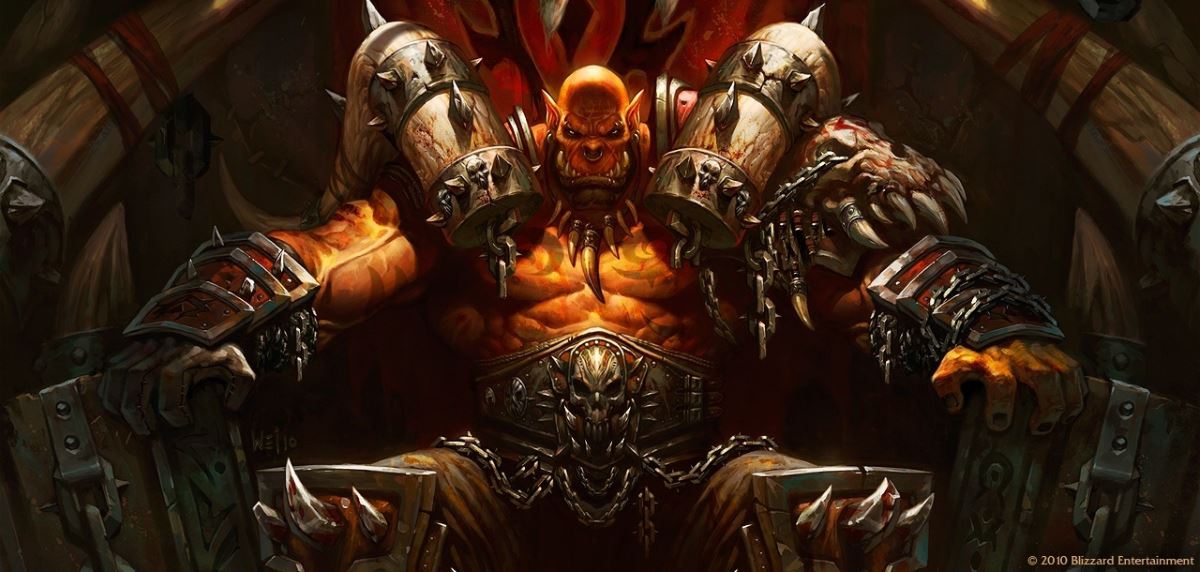
Blizzard achieved this with World of Warcraft and many tried to copy it. With little success. Because the genre has yet another problem: Anyone diving into an MMORPG usually doesn’t need a second one. Because these games take a lot of time (and sometimes also money).
And even if you play a second MMO, who needs a third? Especially when they all play very similarly. Finding the groundbreaking idea that truly resonates is not easy. Even listening to players leads only to many different opinions. One group wants an MMO with open PvP, another wants a pure PvE MMO. Yet another group desires survival, and a fourth wants a sandbox. Tastes indeed vary, and video games are changing.
Whether turning MMORPGs into a mix of many different genres can truly be the cure-all remains to be seen.