

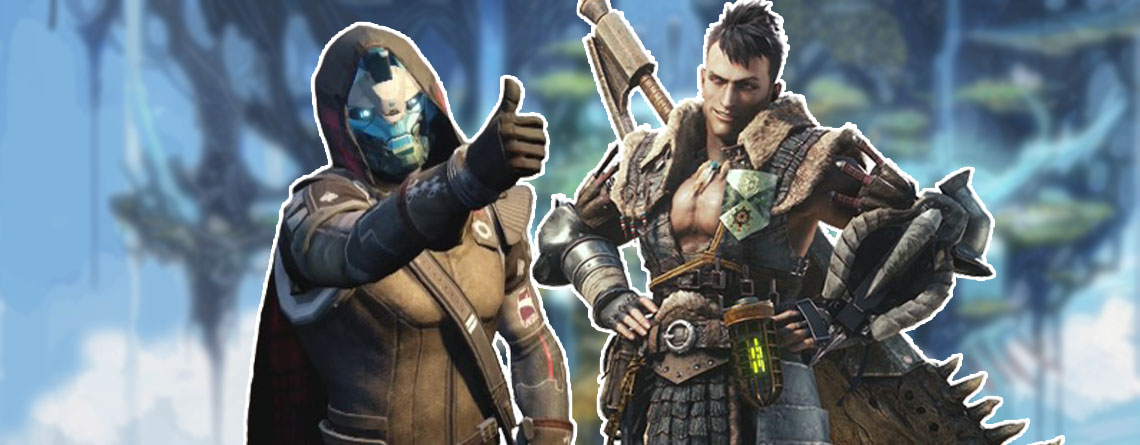
These days, hardly any AAA MMORPGs are released, and even games in this genre sometimes do not last long. Titles like Destiny are booming instead. Is this due to the fundamental concept of MMORPGs? Does it simply not work anymore today? Or is the genre just maturing?
MMORPGs were the hottest games about 15 years ago. World of Warcraft opened the genre to a broad audience in 2004 and was so successful that more and more competitors tried to enter the market. The genre was considered a gold mine. Players were willing to pay monthly fees just to be able to play.
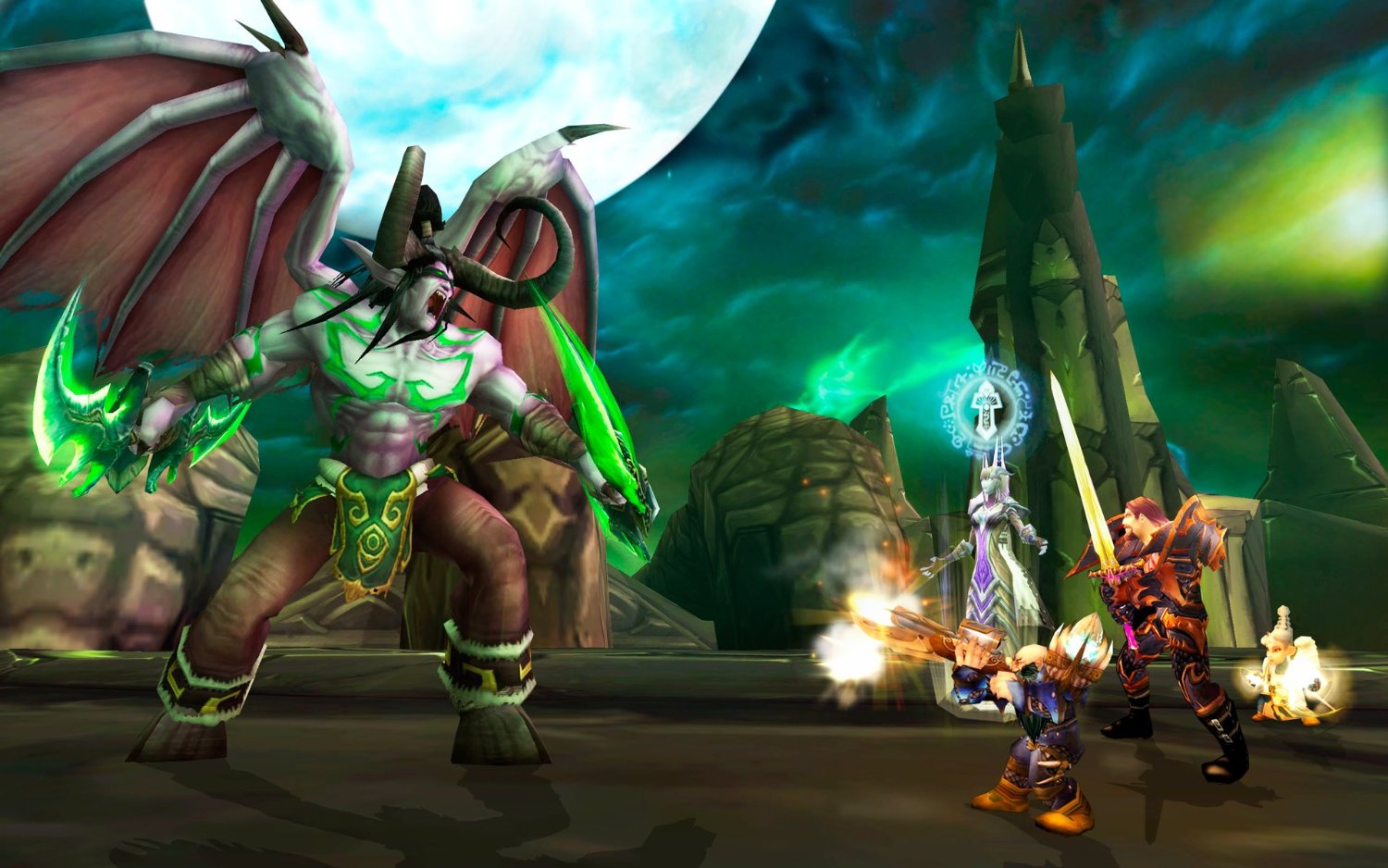
MMORPGs – The King that was Thrown Off the Throne
Today, however, the situation looks different. Only a few AAA titles in the genre are being released, and new MMORPGs that come to market sometimes fail within months, like Bless, for example. Major publishers and developers are no longer venturing into the genre. For years, no real AAA MMORPG focusing on group play, raids, and massive players in one area has been announced.

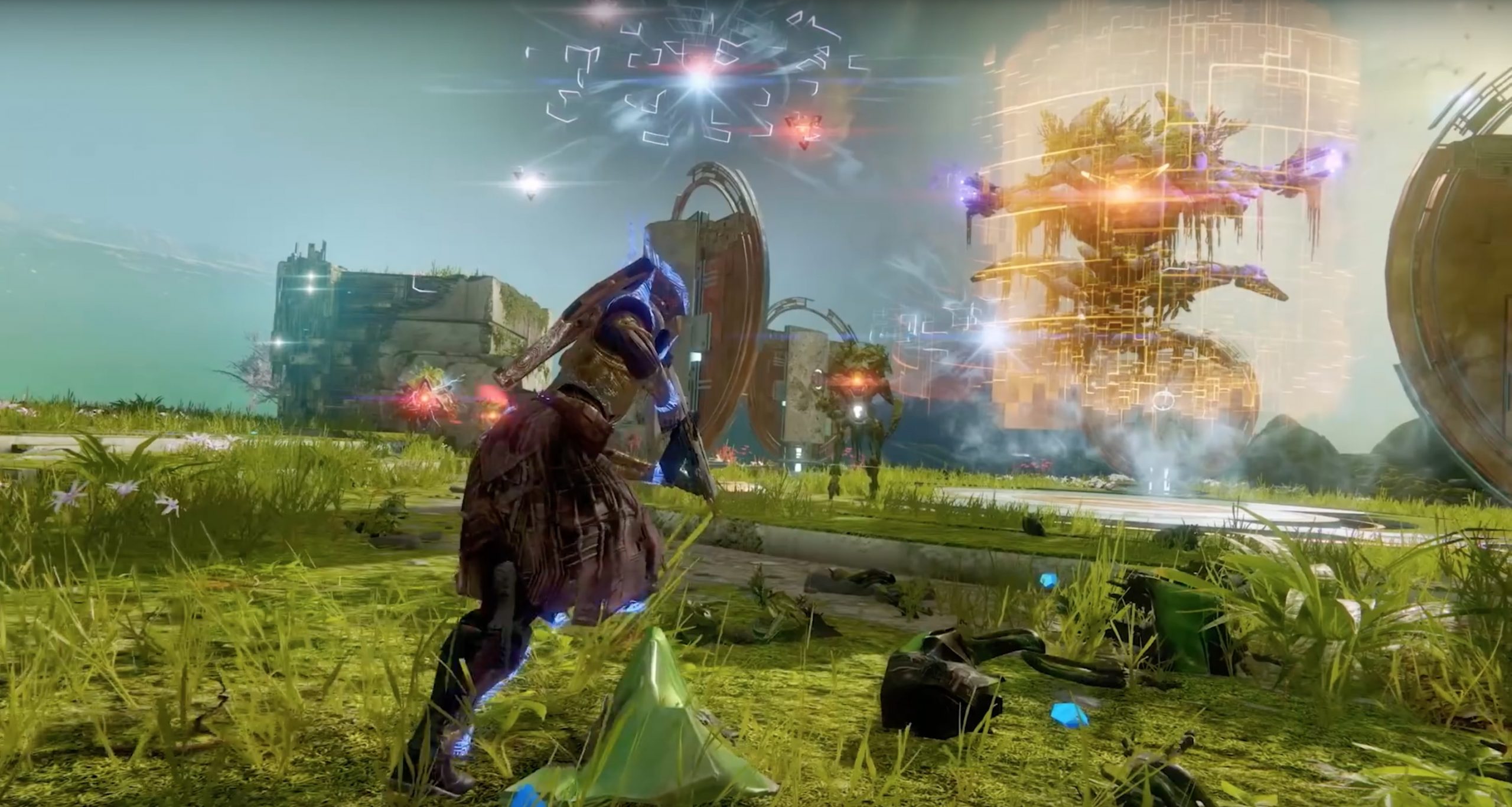
In contrast, online games like Destiny or The Division are popular. Many fundamental elements are similar, though. In Destiny, there are missions that you complete, you team up with players, even tackle raids or compete against each other in PvP. And yet there are significant differences, such as the number of players in an instance.
In Destiny or The Division, you encounter many other players in hubs, but during missions, you are only with a small group. This seems to appeal more to the current generation of players. Is the MMORPG genre in crisis?
Has “Massively” Become Obsolete?
Is it really true that players prefer to be in small groups? This can create the feeling of being heroic. There are no strangers fighting the same bosses or completing the same quests at the same time. What you do feels a bit more significant when you do it “alone” – at least in that moment.
Looking at the success of World of Warcraft Classic, however, this theory falters. The “retro version” of Blizzard’s MMORPG captivates many players. They love the concept of exploring the world together with thousands, not just experiencing quests or dungeons in small groups, but being able to meet other players everywhere.

The Elder Scrolls Online shows this as well. Zenimax’s MMORPG is a classic theme park game and is so successful, that even performance suffers because of it. Here, too, you are in the game world together with many other players, can team up with others everywhere or duel.
While there are instances, most of the game takes place in an open world where other players are also present – and ESO is successful with this concept. Nevertheless, many new MMORPGs that want to provide exactly this also fail. Why?

Diversity Splits the Market
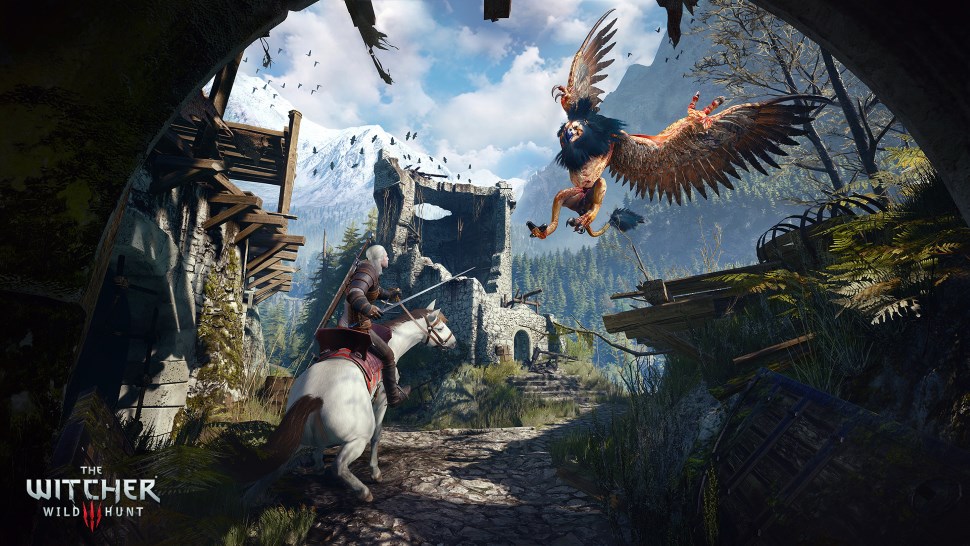
The market has become more diverse in recent years. Single-player games still play a large role and can be extremely successful, as seen with Sony’s God of War or CD Projekt Red’s The Witcher 3. Meanwhile, MMORPGs that require a lot of time and attention have emerged, and we have received loot shooters and multiplayer games for smaller groups.
This diversity shows that the market has changed. New concepts and ideas have emerged. These target new, younger audiences and attempt to consider the changing circumstances of players who are growing older, who have less time for long raids, and who want to achieve something within shorter play sessions.
Must Modernization Occur?
The offering of games today looks very different compared to about 15 years ago. It has become difficult to entice players with a classic MMORPG.
Then why are WoW Classic and The Elder Scrolls Online performing so well? These games target a specific audience. The players who grew up with classic MMORPGs and still want to experience this type of game today. Nostalgia plays a big role. However, these games are not truly modern, and it is hard to reach the broader masses with them. That’s why developers keep trying new things in the genre.
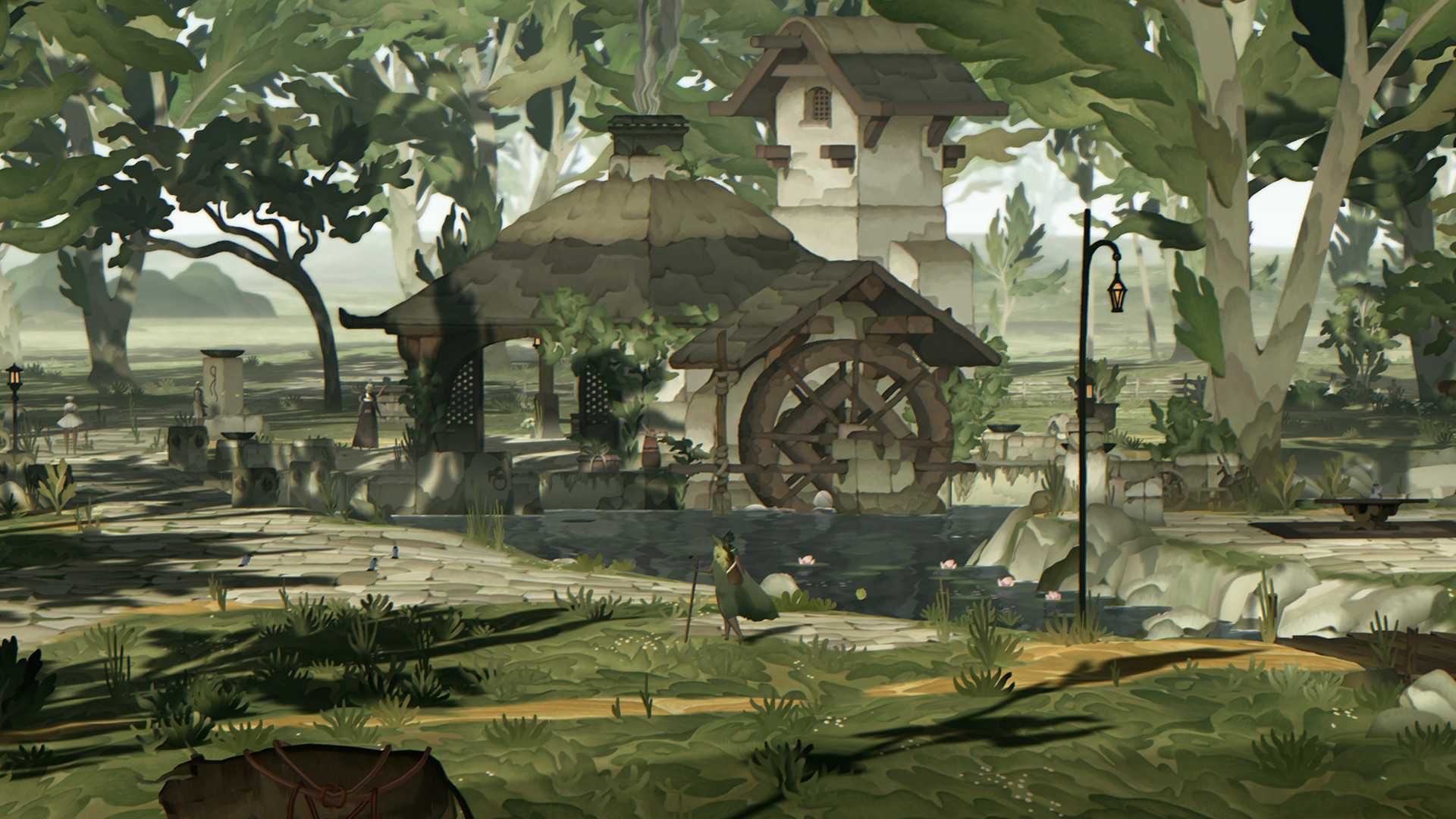
And that is precisely what is important. Shooter elements are added, gameplay sessions become shorter, or the number of players per server is significantly reduced, as the indie game Book of Travels does. The genre evolves to remain interesting. It becomes more modern to adapt to the market. The genre is maturing.
Conclusion: The MMORPG genre is constantly changing. It is maturing. It is precisely these adaptations to a constantly changing market that define this maturation. The genre grows with the players and their gaming habits and preferences, just as it has always been in the field of computer games.
Games like WoW Classic or The Elder Scrolls Online are exceptions. They offer a glimpse into another time. They show how the genre once was. This can certainly still work for a certain target audience – even very successfully. However, one cannot rely on that. Because any stagnation would mean stagnancy.
It is therefore hard to say that MMORPGs are in crisis. Because they are simply evolving, and that is how it should be. Evolving is part of maturing. We will likely experience many more changes in the genre. This is not a real crisis but simply the natural course of things, and that is good.


Your opinion is important to us!
Do you like the article? Then let us know!