

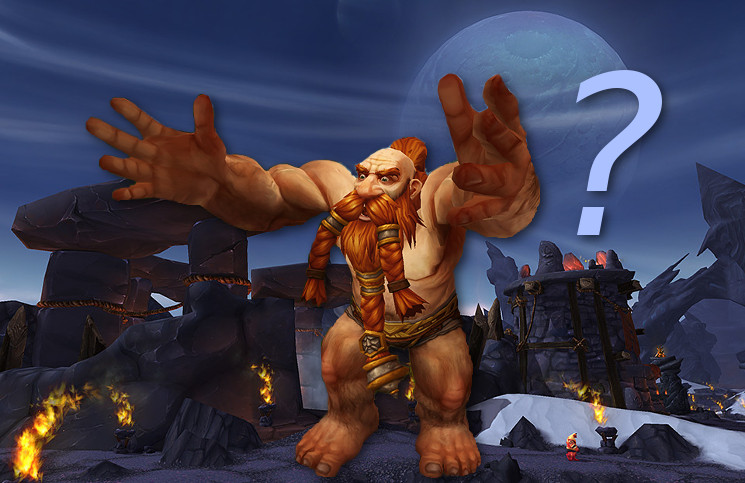
Whether it’s a change of scenery or a fresh start – we are constantly faced with the question: Which class should I play?
After what feels like 100 hours in the character editor, modifying our desired hero to ensure beard, hairstyle, and wrinkles are perfectly aligned, we struggle with the question – tanking, healing, or dealing DMG?
If the question hasn’t already caused us sleepless nights beforehand, now is the time to visit the next forum to gather opinions from the player community. However, good advice and qualified contributions are costly – aside from “just play what you enjoy” or “everyone has pros and cons,” fortune tellers in the forums are few and far between, and thus the answer to the question of the “right” class is elusive.
If we have at least decided whether we want to take damage, heal, or deal damage, we just need to find the right class for the job. Whether it’s World of Warcraft, WildStar, or SWTOR – all these MMOs offer a variety of more or less predefined classes. Each has its place in the hierarchy.
The all-purpose class
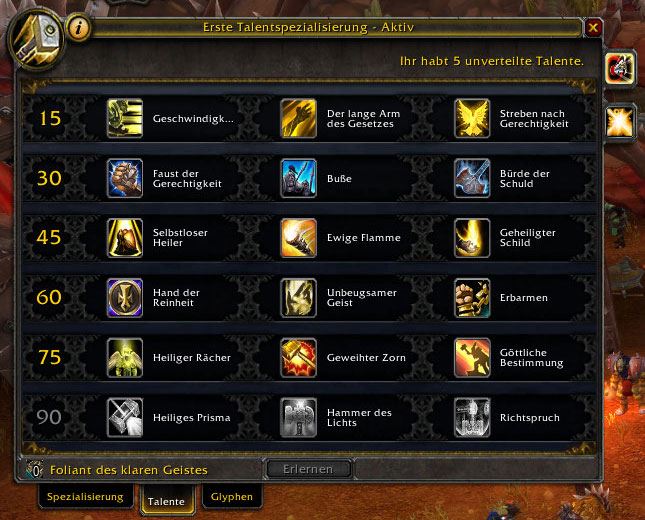
In World of Warcraft, classes like Paladin, Druid, or Monk can serve as DMG dealers, healers, and tanks, for example. Many other classes also take on hybrid functions, covering at least two of the three roles in the game. It should be noted that classes can do one or the other. But what if we want to both tank and heal or play something completely crazy?
At least in World of Warcraft or Star Wars: The Old Republic, skill trees have been significantly trimmed and afford little freedom. The reasons are clear: Developers struggle greatly to maintain a satisfactory balance between classes and skills. And of course, too many options can overwhelm especially new players.
Where’s the individuality?
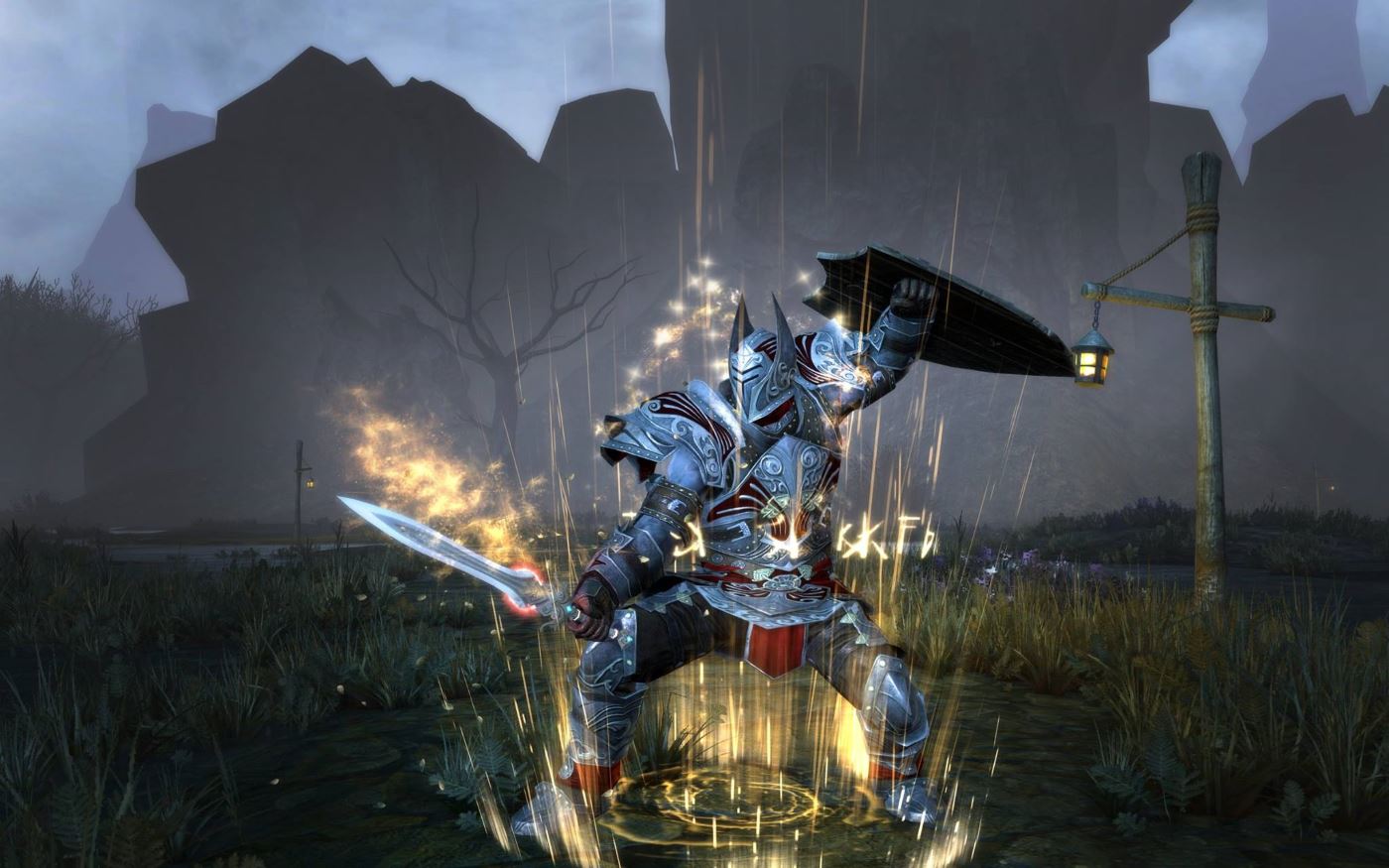
Rift and ArcheAge rather follow the motto “Flexibility and Individuality.” If one were to ask players what makes Rift special, the class and skills system would likely come to mind first and foremost. Four classes and a total of 36 souls, each with their own skill trees that can be combined with one another, offer players numerous possibilities to give their alter ego a unique playstyle. Each class is able to take on all roles available in the game and can comfortably switch back and forth.
Currently, Rift also offers an alternative for players who prefer predefined paths, trying to cater to all types of players.
Then there’s ArcheAge, another good example – instead of choosing a predefined class, players first choose from ten paths. By selecting three freely combinable paths, 120 different classes and nearly limitless possibilities for individual character development arise.
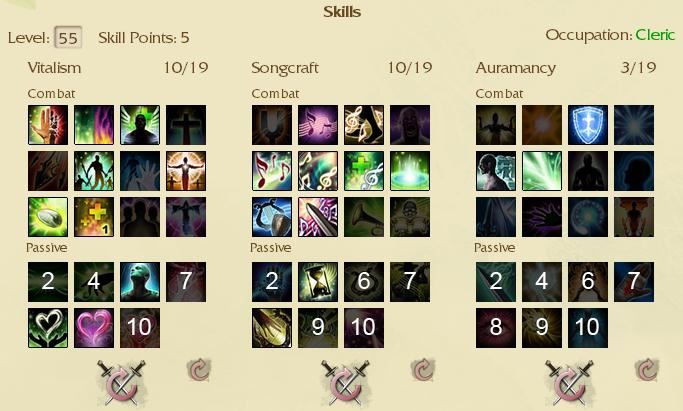
Theoretically, one could cover all 120 different classes with a single created character – provided that one levels the individual paths to the max level, which proves difficult in practice. This system is particularly attractive for those who struggle to make decisions, as well as hardcore individualists who want to define their role in the game entirely on their own. The problem with Rift or ArcheAge is that some skills are redundant and, in the end, not as many combinations seem sensible as originally thought.
Diversity vs. Balance
Of course, there have been other games that have taken one path or another. We have already discussed the issues of class and skill balance in this post: The Class Struggle: Diversity vs. Balance in Class Design.
An interesting approach can also be found in Guild Wars 2, which entirely does without the classic Holy Trinity consisting of tank, healer, and DD. However, there are restrictions here as well, which sometimes leave much to be desired in terms of individuality: The main abilities are tied to the respective weapon, and you don’t find too many combination opportunities here.
But what is the better class system now? A class pre-defined by the developers, where skills and roles are clearly distributed? Or a mishmash of paths, where we can define our role in the game ourselves?

Your opinion is important to us!
Do you like the article? Then let us know!