

Do likes, upvotes, and shares create a dependency? Cortyn spills the beans.
Today, we’re stepping away from the direct world of video games and discussing social media, comments, and the greed for attention that lies within everyone. Yes, even in you.
I firmly believe that every person craves recognition in some form. Not everyone wants to be in the spotlight in real life, but being noticed by others and receiving approval is – I believe – a fundamental need of all humans.

And that’s exactly why rating options on the Internet are so successful. Not to mention that companies can target their ads much more accurately through likes and other indications, it also has social implications for the users. Every time a post receives a “like” on Facebook, an upvote on Reddit, or a thumbs-up on YouTube, it’s a little virtual pat on the back for the content creator, who experiences real satisfaction.
I can’t explain otherwise why social media and comment sections have had such groundbreaking success.
Since writing and publishing articles and news is my profession, I’m confronted with this whole “like” and “upvote” topic constantly. With every article, every news piece, every comment, and every posted picture, I have to face it.
And I don’t want to exempt myself from this susceptibility either. When I see on our Facebook page that one of my articles gets 10, 20, 30, or more “likes”, it makes me happy. Even if the actual view counts of the article are relatively low. Just one single comment saying “Nice article, was exciting to read” often gives me more satisfaction than thousands of views that actually stand for professional success.
It’s an addiction that sets in incredibly fast.
This addiction for recognition and attention on the internet sometimes even takes on perverted forms. Again and again, there are comments from people where you can immediately tell: They don’t really want to discuss; they just want to stir up trouble. And with every reaction to such a comment, they get exactly what they desire: perception and recognition.
Are these little pats on the back a problem? Generally, no. But they are addictive, and they happen darn fast.
The problem is – in my opinion – that recognition is too easily given this way. Under any article or video, one just has to express a strong opinion in the comments – even if there are hardly any opposing views. “Bullying should not exist in schools!” – that is worth a like to many others. It’s easy to obtain, requiring neither effort from the commenter nor from the “liker”.
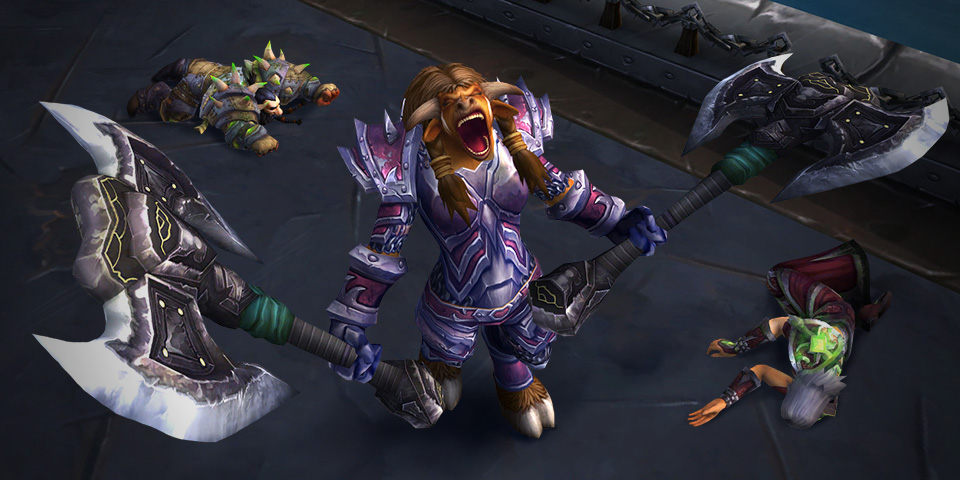
If I can get recognition this quickly and easily, I suddenly understand much better why you often encounter the clichéd “failed existences” on the internet, who behave like a bull in a china shop. The thrill of a little recognition is always within reach – and much easier to obtain in front of a screen than “out in the real world”.
Goodness, I sound like an outdated ZDF magazine. I should wrap this up.
I no longer really know where I started with this column and where it was supposed to lead. But if you’ve made it this far: leave me a comment. Or a like on Facebook.
A while ago, the Mecker Mittwoch was about violence – some games really exaggerate it.

Your opinion is important to us!
Do you like the article? Then let us know!