
Meanwhile, it has become almost a fixed ritual for me to think about what has bothered me the most in the gaming sector this week on Tuesday evenings, and every time I think, “Oh, just skip the column, the boss won’t notice,” a topic comes up in my circle of friends that perfectly qualifies as the outrage of the week. This time, it went from “bad endings” in games to an even bigger disaster: cliffhangers as the conclusion of a game.
I see into your heart …
[quote_box_right]Cliffhangers represent open endings at their peak and continue this in a future installment.[/quote_box_right]For me, the story in most games is a driving motivator to finish or continue playing the game. I simply want to know what happens to the protagonists, how I kick the antagonist’s ass, and why on the Nether this stupid princess keeps getting kidnapped every time.
This point can certainly be debated, but the story is for me the heart and soul of a game – even if the combat system is terrible and the AI is absolutely dumb, an exciting story can keep me entertained. I know this, but unfortunately, the developers do too. They know that an emotional connection between the player and the characters in the narrative is good and important, especially in role-playing games.
… see good times, bad times …
And this knowledge can, of course, be shamelessly exploited. For this, I present to you a prime example; the corresponding game is “Final Fantasy XIII-2”. Warning: If you still plan to play the game, you should not watch the video and only continue reading from the next subsection heading, massive spoilers!
Funny, isn’t it? You casually kill the main character, plunge the newly saved world into chaos, and then give the players a friendly “To be continued …” I have rarely been so angry and so disappointed by the end of a game (my roommates are still suffering from the effects it had on my mood).
Complete product = Complete story?
Maybe I think quite old-fashioned on this point, but I expect that when I buy a product, the product is complete. A story that ends abruptly and is only written as far as one is more or less forced to buy the next part of the game series is simply not complete. And no, I do not find the comparison to series and books appropriate here.
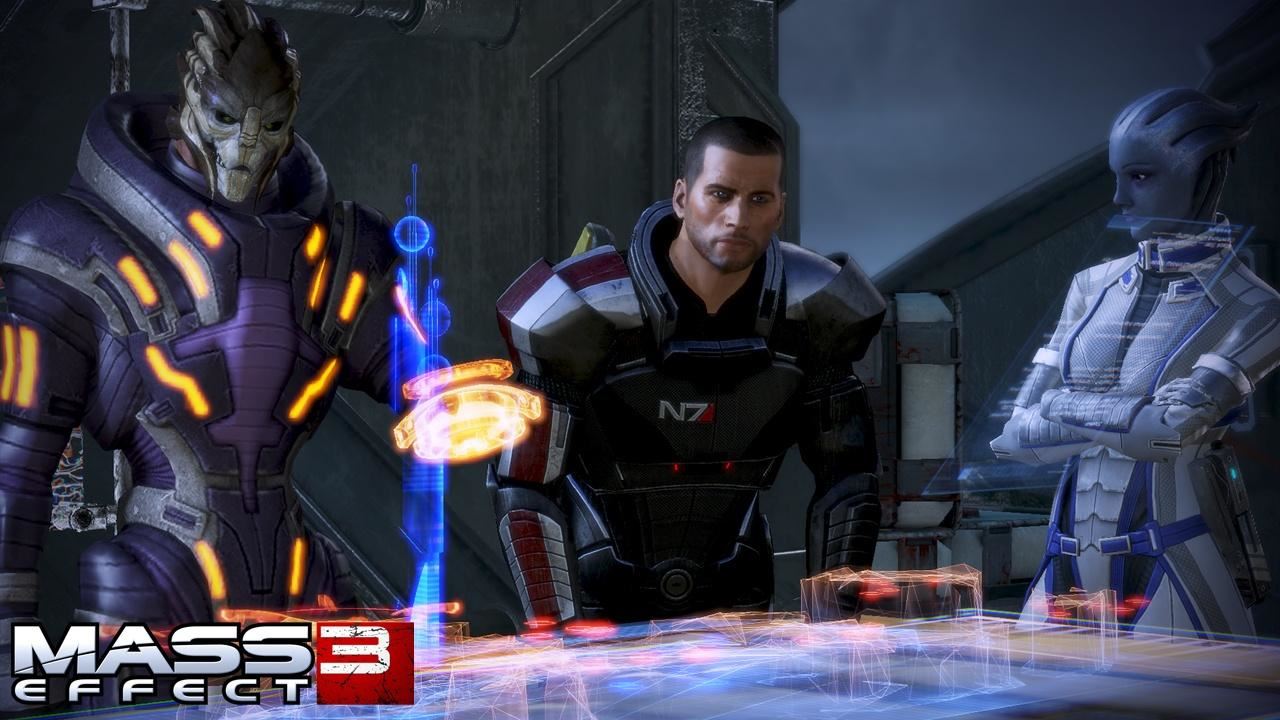
Game series like “Mass Effect” have simply solved this much more elegantly: Although all parts build on each other, you were extremely satisfied with the first parts and did not have the impression that “something is missing.”
But even MMORPGs are now taking this route: WildStar, which I absolutely celebrate for many aspects, disappoints me in terms of story. The main quest about Drusera has still not been completed, and it seems that the next patch will only bring a few more breadcrumbs, but by no means a satisfying conclusion to this storyline. I don’t need story instances if the plot only progresses in slow motion or comes to a standstill.
Don’t get me wrong, I’m not talking about “open endings” where the future of the characters is uncertain and not further explored. I find that acceptable and it can often be very fitting!
A game sold, a fan lost
What disturbs me the most is the question of whether game manufacturers are not aware of how much they can sink in the esteem of their fans with such endings. The ending is such an important criterion for a good game and often decides whether the game was good or bad because it is simply the last moment you take away. Ubisoft, for example, was for a long time a guarantee for good games with wonderful, completed stories (Grandia 1&2).
[quote_right]The ending is such an important criterion for a good game.[/quote_right]
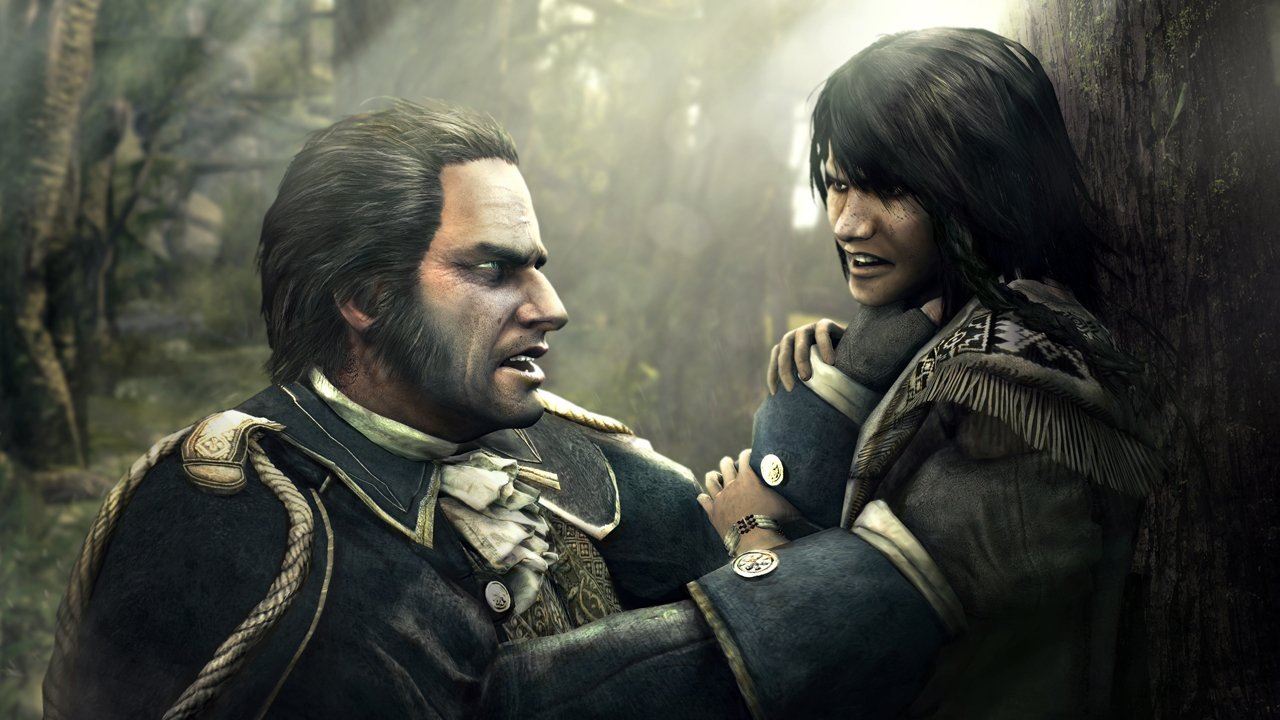
The Assassin’s Creed series only leaves me sighing and shaking my head, or to quote a friend: “In part 2, you learn what you did in part 1, and in part 3, you find out what you did in part 2.” So you are more or less forced to buy the next game to get a worthy conclusion – which then does not come because the current events are not resolved. Does a game sell better because of this? Most likely. Does that increase my trust in the respective game studio? Definitely not. If I have to read reviews to find out if the story is abruptly interrupted, then something is heading in the wrong direction – or I have outgrown the gaming industry.

Your opinion is important to us!
Do you like the article? Then let us know!