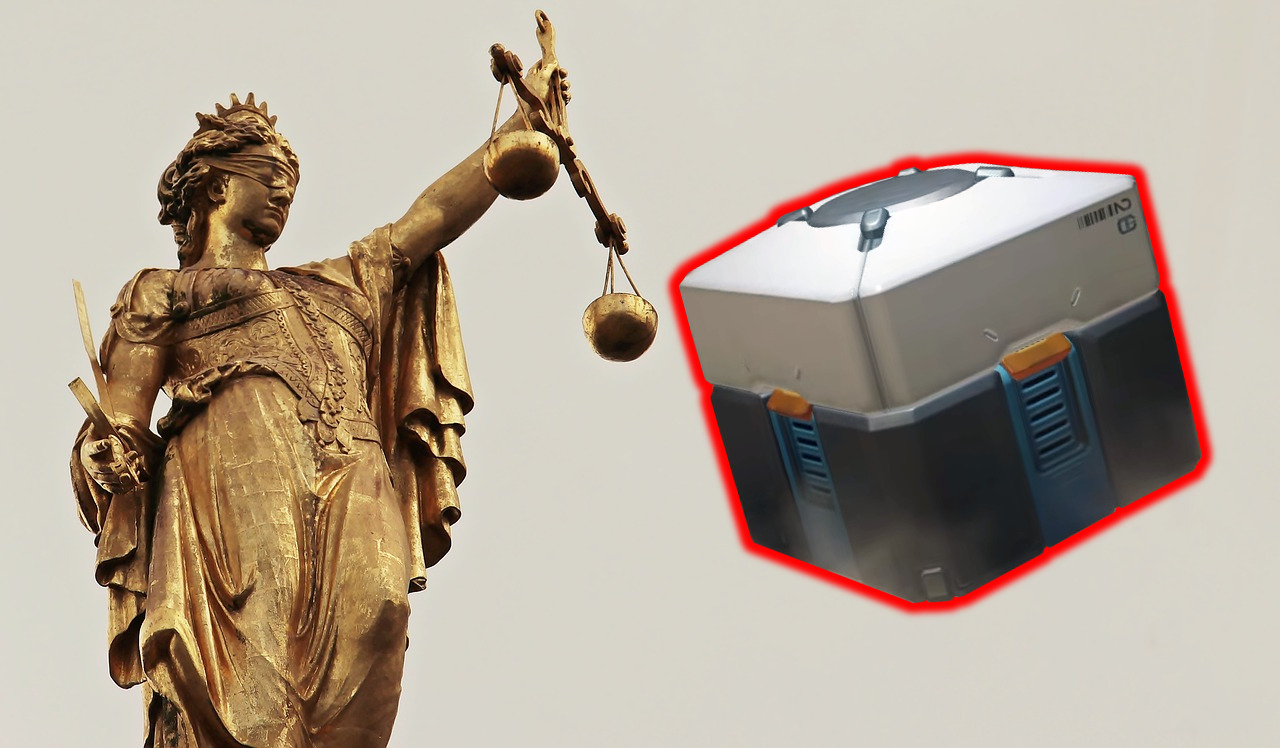
Loot boxes still spark heated debates. Are they gambling? Or are they even worse because they circumvent the rules of gambling?
Since the end of 2017, a heated discussion about loot boxes has erupted. The trigger was Star Wars: Battlefront II by EA, which offered players clear advantages through its loot boxes in a full-price title, advantages that could only be earned with hundreds of hours of gameplay. This led to one of the biggest shitstorms ever encountered by a game developer.
On the YouTube channel “The Game Theorists,” there are always exciting and well-researched theories. Either about story elements from specific games or about individual mechanics and how they actually work. Now the channel has taken on loot boxes, delving deeper into the psychology behind them.
A debate spanning nearly a century
However, the debate about “loot boxes” is not new and is already nearly 80 years old. Because anyone who doesn’t like the concept of “buy this box and receive a random selection of items” could have been upset much earlier. “Mystery bags” in supermarkets were loot boxes in their purest form, and even Panini football stickers of top players are nothing more than loot boxes. The same goes for Magic cards and other card games.
If all these things are legally considered loot boxes, simply because they contain a random selection of products, then this discussion could theoretically be taken even further and brought to absurdity. Because then even a bag of gummy bears would be a loot box if the distribution of different gummy bear colors is not balanced.

“Now it’s getting silly,” one might say, and would probably be right. But where exactly is the difference? Legally, this could lead to a big problem and require a very clear definition.
The legal discussion
However, there are also aspects of loot boxes that clearly differentiate them from gambling. For example, many games have a hidden reward system that rewards persistence. For instance, if you open 40 card packs in Hearthstone, you are guaranteed to have a legendary card among those packs since the chance increases with every opened pack – by the 40th pack, it is even guaranteed.

Slot machines do not have this and are even prohibited from doing so. A losing player cannot suddenly be offered “better” winning chances to motivate them to keep playing. The chance is the same each time, and thus there are no “guaranteed” wins in between.
In Germany, the discussion about whether loot boxes should be classified legally as gambling has been ongoing for a long time. There are several points of difference, but the most important is probably the question of a clear win. Because it is not clearly decided whether the items contained in loot boxes, which vary in rarity, truly represent a “win” in the legal sense.
Some argue that the content of loot boxes has no “market relevance” because only the player decides the value, which is almost always of an ideal nature. In this view, loot boxes would clearly not be considered gambling.
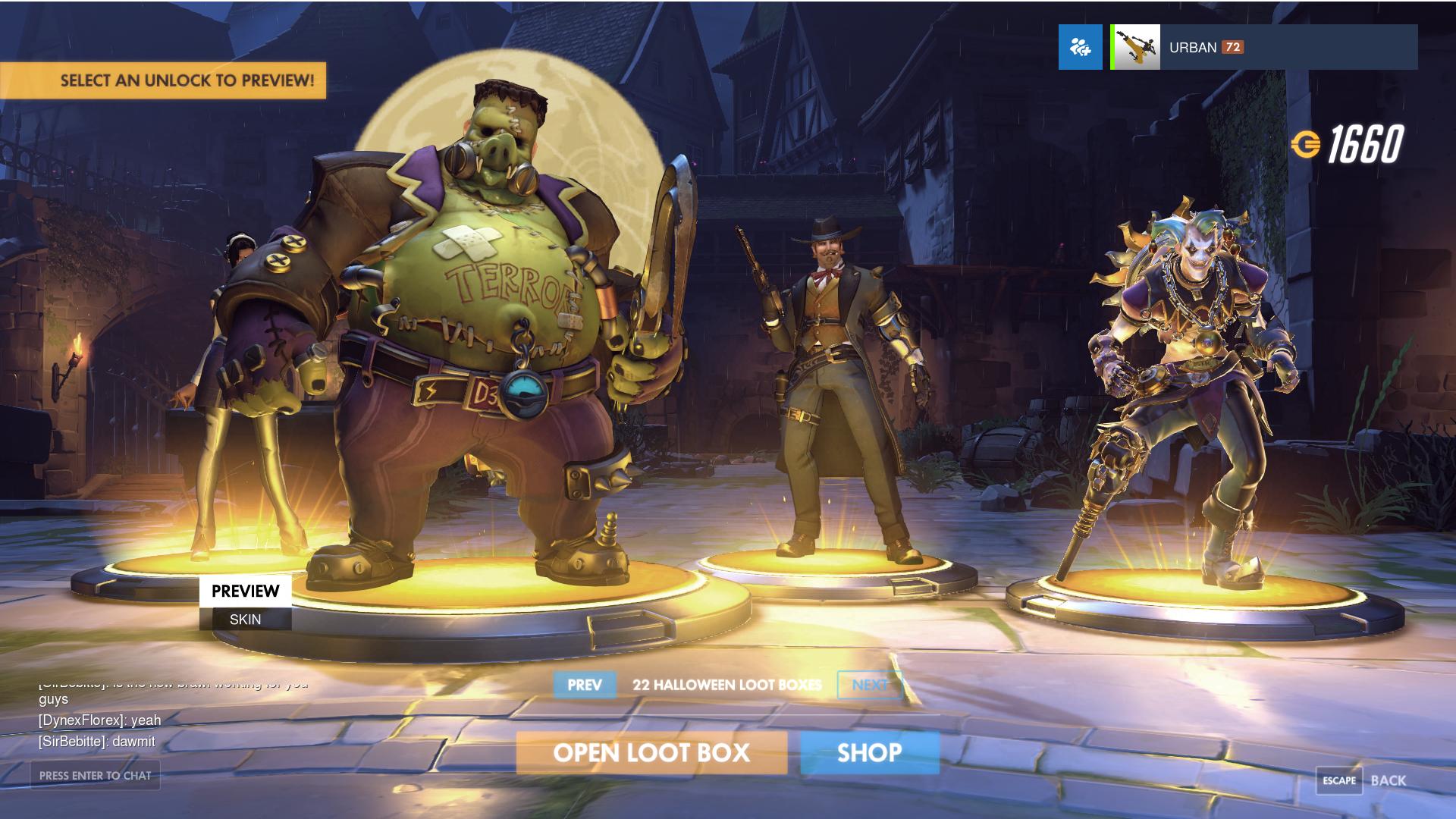
A different situation arises in games where some items from loot boxes can also be purchased specifically in the shop – for example, in Star Wars: The Old Republic, there are such cases. Then it could be clearly defined what value a single item has, providing a fixed worth – and thus also an actual win.
The problem is further exacerbated when players can sell their items to other players, as then a clear value can also be assigned to them. However, since the game developers are not involved in this trade, they cannot be assigned the asset value.
Developers analyze us more closely
Moreover, developers are observing more closely how we play our games. How much time do we spend on average in a game? When do we buy loot boxes?
Nowadays, developers even collaborate with analysis companies that develop a new matchmaking system.

They aim to filter which weapons or items a player might like. Subsequently, the player matchmaking ensures that one competes against players with a higher skill rating who use precisely those weapons. This way, the thought is encouraged: “If I had this weapon, I would be that good!” – and suddenly, one is one step closer to the purchase decision.
Whether such mechanics are actively used in major games so far is, of course, pure speculation. But even the mere possibility that these capabilities are developed and used is concerning.
Every player has their own price
Even more companies and business ideas are working to optimize loot boxes. For instance, major publishers collaborate with “scientific revenue,” which provides software that precisely analyzes player behavior and finds out how much money a player is willing to spend on microtransactions. The result is that different players see different prices.
If a loot box costs about €1.50 for player A, it might cost only €1.30 for player B and €1.70 for player C. Since loot boxes do not incur costs in their direct “manufacturing,” apart from the original design of the included items, it is in any case a profit for the developer.
Offering different prices to players could lead to legal issues in some countries, while being completely legal in others. Here, too, it remains to be seen when and whether this will become a reality in major titles like Overwatch.
Cortyn says: Considering the two videos and the complicated legal situation, one starts to reflect more deeply on the subject and struggles with how much money one is willing to invest in loot boxes. One thing is definitely clear: game developers are becoming increasingly skilled at analyzing our behavior as players and unwittingly enticing us to purchase loot boxes repeatedly.
Is it understandable that developers want to extract as much money from players as possible? Absolutely.
But where should the line be drawn?
At the moment when algorithms determine matchmaking to encourage me to buy loot boxes, the game has taken a back seat and is merely a disguise to veil the purchase of loot boxes.
By now, I hope that loot boxes and the systems behind them will soon receive state regulations. They do not necessarily need to be declared as gambling, but some form of regulation must take place.
What is your opinion on the topic of loot boxes and gambling? How should a regulation look, or is there no need for one?