

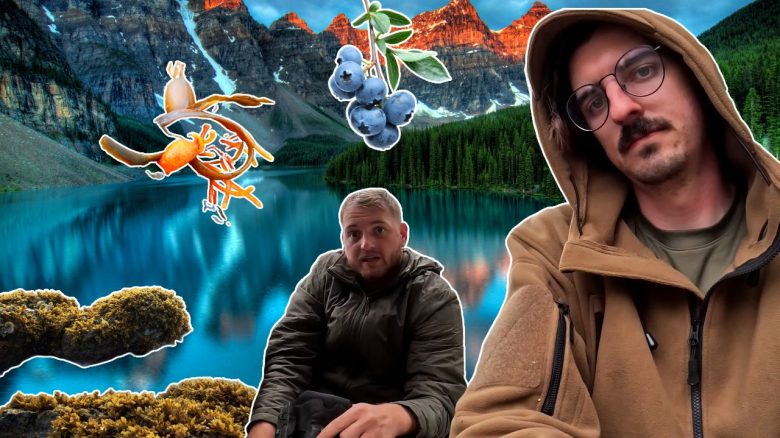
All candidates at 7 vs. Wild struggled with hunger. However, in the new Behind the Scenes, the locals show that there were plenty of plants on site that could have been consumed.
Why did the participants have to go hungry? The participants primarily didn’t know what they could eat on site. Although the candidates were shown in a briefing before the suspension which plants are edible and which are not, the participants likely didn’t dare to eat large quantities of the wild-growing plants out of fear of food poisoning in the show.
The candidates also had little luck with animals: While some participants hoped for trout in ponds, only Jens “Knossi” Knossalla and Sascha Huber actually had luck fishing in the show. Small animals like rabbits or birds were scarcely available for consumption.
One of the participants of Season 3 is Twitch streamer Jens “Knossi” Knossalla. You can see more about him in our video.
Hunger leaves its marks
What effects did hunger have on the participants? The team from the Nature Sons is probably one of the big losers when it comes to food. The two outdoor professionals found hardly any food on site, except for a few berries. As a result, Gerrit from the Nature Sons increasingly felt worse. Ultimately, the lack of food contributed to the team’s elimination.
Other teams also had problems with food supply. Although small fish were occasionally caught by the teams and one or the other berry was eaten, there wasn’t much available for any team.
Especially the local plants shown to the teams during the briefing seem to have hardly been touched. A bite into some algae was enough for most candidates for the two weeks.
The participants rely on fishing and are disappointed
How did the participants prepare for food procurement? Most teams focused on fishing in their preparation. This is because the candidates expected something different at the filming location. Fritz Meinecke has repeatedly expressed criticism about the shooting location, saying he personally would understand something different than Canada. He had already held the production accountable beforehand.
The Trymacs and Rumathra team explained in a “Behind the Scenes” episode that they had brought laxatives specifically because they wanted to eat bark. However, this never happened in the show.
You can watch the entire “Behind the Scenes” episode here.
Island inhabitants show what was edible
Which berries could be eaten? The inhabitants of the islands from the T’lat’lasikwala tribe showed in the last “Behind the Scenes” episode that there is plenty of food on the islands.
Starting with the Salal berry, which is eaten repeatedly throughout the show. According to myfitnesspal, it provides 4 kcal per berry. The participants would have to eat about 500 – 600 berries per day to meet their daily needs. The berry tastes, according to Jan Schlappen, like a blueberry and looks similar to it.
According to the locals, there were about half a dozen other berries, but we couldn’t see them in the show. However, they would also have been edible.
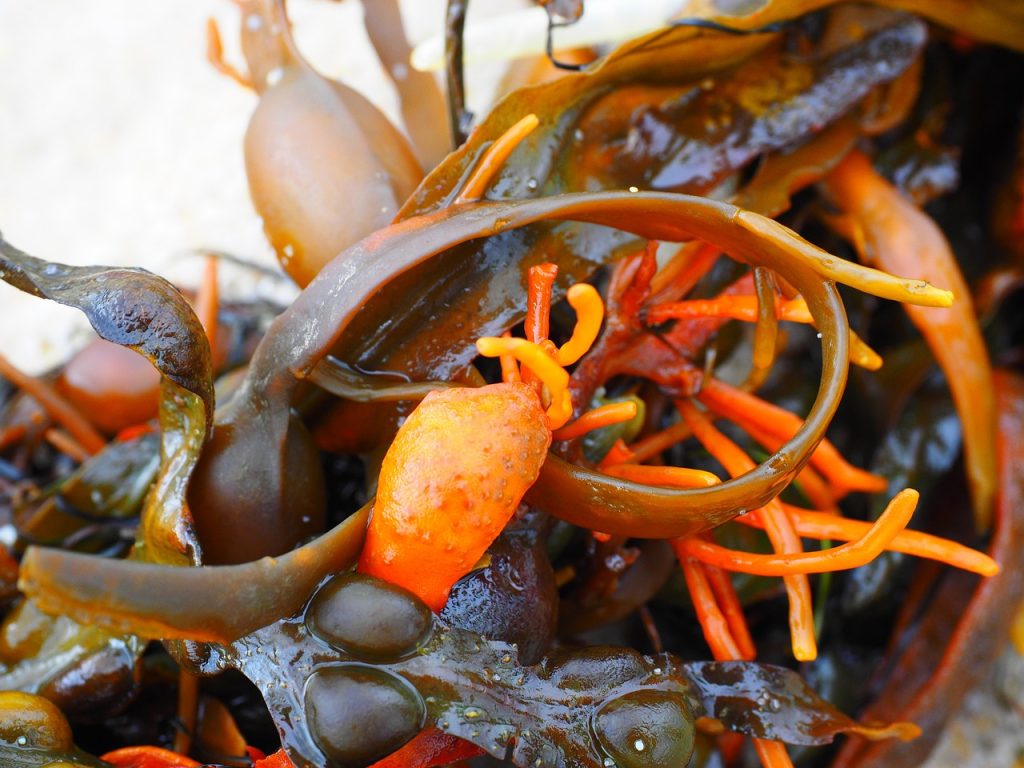
Which plants could be eaten? Some water plants could also be eaten by the 7 vs. Wild participants. Seaweed and sea asparagus also appeared in the participants’ spots. The seaweed is said to taste somewhat like salty salad and can be easily collected from the ground and consumed.
The sea asparagus, also called “Salicornia”, is also edible raw and grows where the sea comes and goes during high and low tide. The plant is also used in German cuisine as sea asparagus or Friesen herb, especially in northern Germany. It is said to be delicious, although quite salty. The false asparagus was shown in large quantities in the “Behind the Scenes” episode. So it can be assumed that some participants had some on site.
Here you can see some of the plants we report about.
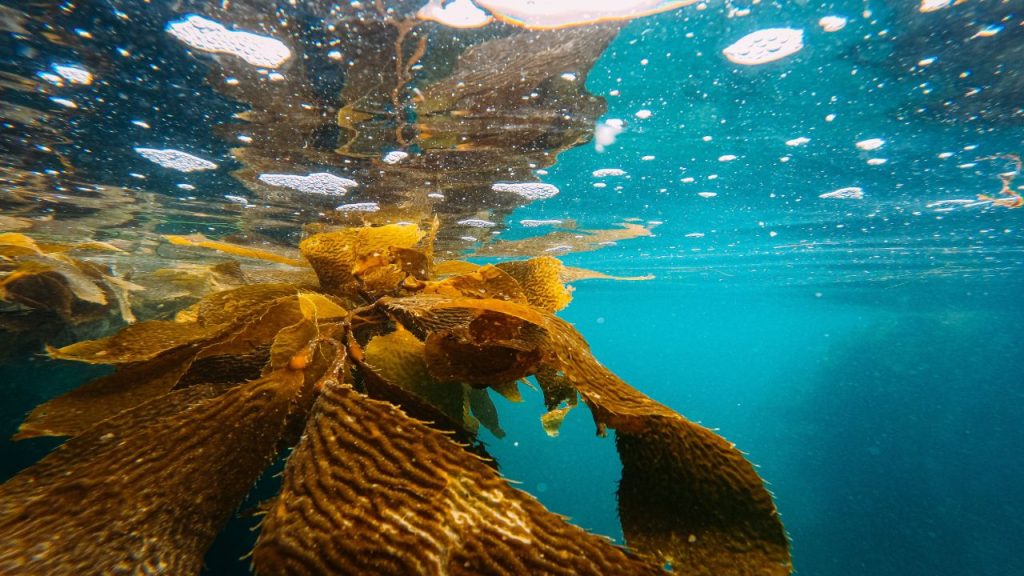
Another plant is the so-called kelp, an alga that grows in kelp forests underwater. The plant resembles a tube, especially because it is hollow in the middle. It is considered, according to t-online, a specialty in Japan and is rich in iodine, iron, calcium, and provitamin A. The leaves should be consumed from the plant, not the tubular stem. This is a different type of seaweed.
The last edible plant that the participants could have found is bladderwrack, or in English “Bladderwrack”. It is named after its bladder shape and belongs to the brown algae. This alga is also edible raw. The cook featured in the “Behind the Scenes” episode makes a salad from it.

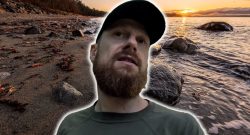
What about animals? Small animals like rabbits are said to not exist on Hope Island due to the many wolves. According to Fritz Meinecke, it was forbidden to shoot wolves or even bears. Trymacs said in a stream that, according to the organization team, there might have been frogs that could be eaten, but the teams did not do so due to the risk of poisoning.
Fish were often caught by Sascha and Knossi. According to the residents, there are salmon, halibut, cod, and various shellfish.
Some small sea creatures like crabs also ended up in the teams’ nets. However, there wasn’t a trout lake, as some participants might have imagined. For shellfish like mussels, there was a catch prohibition for the candidates due to the algal bloom Red Tide after a team caused panic.

Your opinion is important to us!
Do you like the article? Then let us know!