

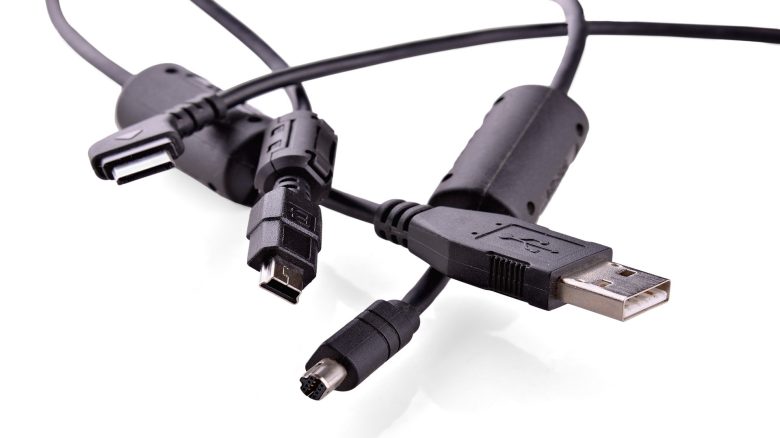
At the end of the 1990s, a simple USB-to-PS/2 cable adapter brought about a significant change – helping to mark the end of the era of traditional ball mice.
What made the adapter so special? This adapter enabled the connection between USB and PS/2 ports. Notably, it worked purely mechanically, without electronic circuits.
As TechSpot reports in a detailed retrospective, the trick was that the conversion between the USB and PS/2 protocols did not occur in the adapter itself, but in the device – in the mouse or keyboard, for example. This is comparable to a travel adapter that merely changes the plug shape but does not transform voltage, according to TechSpot.
An example of the use of the adapted hardware is the Microsoft IntelliMouse Explorer, one of the first optical mice without a mechanical ball.
Microsoft as a Pioneer
How did Microsoft influence this development? Microsoft capitalized on the benefits of the USB standard with the IntelliMouse Explorer, but also offered compatibility with older PS/2 ports through the adapter. The Microsoft IntelliMouse Explorer was one of the first devices to benefit from this new flexibility: an optical mouse that functioned for the first time without a mechanical ball.
Microsoft included the adapter right away – allowing users to connect their new USB mouse to older PCs with a PS/2 port. The strategy paid off: the IntelliMouse Explorer became a success and the technology replaced traditional ball mice from desks worldwide within a few years.
The tedious cleaning of mouse balls and dusty rollers thus became a thing of the past.
And what remains today of the PS/2 adapter? Even though the small adapter is rarely needed today, it can be said that the upgrade represents a key piece of hardware evolution.
In the meantime, technology has evolved significantly. There are now countless variations and options for USB devices, with connections using different colors.

Whether for connecting old mice, due to the one-sided design, or the risk of hacker attacks – USB ports continue to be a topic of conversation today. Why they didn’t function bidirectionally from the start is explained in this article: Why can a USB device only be plugged in one direction?

Your opinion is important to us!
Do you like the article? Then let us know!