
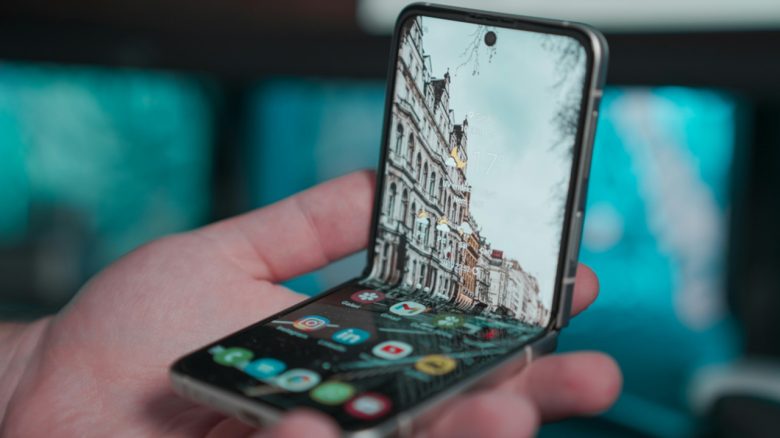
An authority warns about public USB ports: You could get infected with malware. How great is the danger really?
Nowadays, many public places offer the option to charge mobile devices via USB ports. Whether at the train station, at the airport, or on the bus, such USB ports can be found in many locations.
Currently, the American Transportation Security Administration, or TSA, warns against using USB chargers at the airport. This is reported by the English-language magazine Fortune. Because using them can lead to the infection of your phone or another device with malware. The TSA also warns against using public Wi-Fi at the airport.
Juice Jacking as a danger from unknown USB ports
What is behind the warning? The TSA speaks of “Juice or port jacking.” Juice Jacking refers to a form of cyber attack, where malware is injected into mobile devices such as phones via manipulated USB charging stations or cables, or data is stolen from these devices.
If you connect your phone to a corresponding USB port, your device can be infected unnoticed. Popular opportunities include USB charging stations in public places, but also USB cables that are intentionally left behind to be used by a victim.
How great is the risk? The risk of Juice Jacking is considered to be rather low in practice, but it cannot be completely ruled out. Authorities and security experts regularly warn about it.
The problem, however, is that there are no concrete numbers on how many devices are affected by Juice Hacking each year, as this generally goes unnoticed.
How can one protect against it?
- Only use your own charger and cable whenever possible or opt for a power bank instead. However, pay attention to the rules of the airline that you are allowed to take the power bank on the plane.
- Avoid public USB charging stations whenever possible or use a so-called “USB Data Blocker”: This interrupts data lines and only allows charging. You can pay between 5 and 10 Euros for a “Data Blocker.”
- Always select the “Charging only” option when connecting to unknown USB ports, if your device offers it.



The train was long considered uncompetitive compared to the airplane. But one route shows that the train can indeed keep up and poses tough competition to air traffic. So much competition that more and more people are switching from airplanes to trains: In one country, the train is currently outperforming the airplane: Flying is no longer worthwhile on a route of 1,300 km