
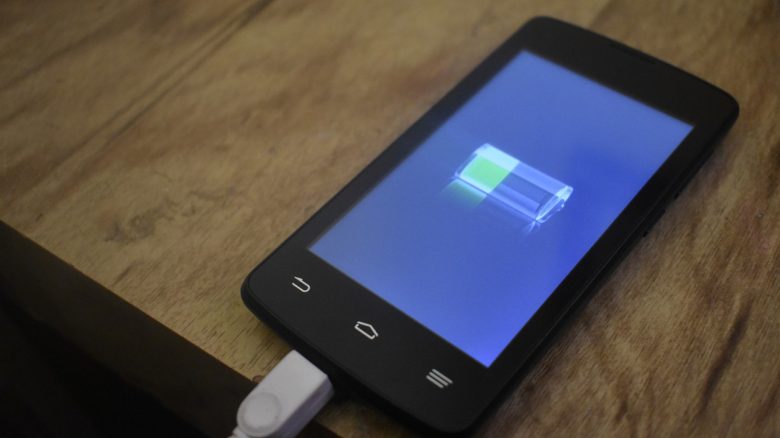
Every phone has a battery, but how do you handle this sensitive component correctly? MeinMMO presents the most important tips on how to charge and preserve your battery.
Each of you is probably familiar with the problem: You are on the go and suddenly your smartphone’s battery gives up. You just charged the battery and now there’s that unpleasant warning message.
But how should you best handle a phone’s battery and what should you avoid if you want to use it for a long time?
We from MeinMMO present the best tips and advice to consider for your phone’s battery.
Charging the battery correctly: What you should do/take into account
What applies to all phone batteries? Essentially, lithium-ion cells provide a finite number of charging cycles. Most people use their device on average for 1 to 3 years before getting a new phone. Thus, most smartphone users will never come close to the maximum charging cycles.
When and how long should you charge the battery?
How full should my battery be? Ideally, keep your battery charging between 30 and 80 percent. This prevents the battery from discharging too much or being overcharged.
Due to their chemical composition, a lithium-ion cell is most stable between 50 and 70% charge level. The further the charge deviates from this range, the more the cell is stressed.
Things to consider with the charger
Basically, the health of the battery does not depend on which cable or power supply you use. Whether you use an original charger and cable or a cheap version does not fundamentally matter for the battery.
That’s why you should not buy cheap devices: However, we would advise against buying very cheap chargers. Because the insulation may not be sufficient or the voltage may fluctuate drastically.
If the voltage regulator is faulty, it may be that the full voltage from the socket flows through the cable and into the device, possibly electrocuting the user. In the worst case, you could receive a life-threatening electric shock.
So do not buy cheap, but ensure that the chargers and cables meet all safety standards and carry the important “CE” quality mark, or rely on reputable manufacturers like Anker.
Because seemingly cheap original devices may turn out to be dangerous counterfeits and cause significant damage (via welt.de).
Phone battery: Fast charging function does not damage your battery
What is the fast charging function? Newer phones and chargers can increase the current flow during charging as needed, thereby charging the smartphone faster. The unit used is milliampere hours (mAh). For this to work, both the charger and the smartphone need to support this technology.
How does it work? The function takes place in two phases:
- In the first phase, there is a voltage boost to the nearly empty battery. This brings the battery to 50% or more in a short time.
- In the second phase, the manufacturers of the device slow down the charging speed to prevent actual damage to the device.
Why does it not harm the battery? This is because batteries can quickly absorb a charge during the first phase of charging without having a significantly negative impact on their lifespan (via cnet.com). If the smartphone and charger work properly, there are no risks.
Charging the battery correctly – What you should avoid
This section explains what you should avoid when charging your battery. This includes not charging your smartphone overnight.
Do not fully discharge your phone battery
Almost every smartphone nowadays uses lithium-ion batteries. You should generally not discharge these to 0%. Because a complete discharge places a heavy load on the battery cells.
Generally, it is not a problem for the battery if you occasionally use the phone below 20% or use it until it reaches 0%. Charging the battery to 100% does not harm it at first. It only becomes harmful if this extreme usage happens regularly. This damages the battery in the long run.
This extreme usage reduces the battery’s lifespan. Especially if you cannot replace your smartphone’s battery, this is an important note. It is less relevant for people who change their phone every year.
Can I teach my battery to last longer? There are rumors that you can extend the lifespan by fully discharging the battery. This does not work with modern lithium-ion batteries. This “memory” effect only works with nickel-cadmium batteries, which are hardly used anymore. Modern lithium-ion batteries are harmed more by this method than they benefit from it. (via Notebookcheck.com).
Disabling background processes on the phone is of little use
If users want to charge their battery quickly or save power, they often start using various helper apps to clear their RAM or close background apps. But the effect is limited, and it may even strain the battery.
Because closing and starting an application requires more energy than simply keeping it in RAM and reactivating it when needed.
What you should do instead: If you want to charge your phone quickly and do not need it, simply turn the device off. This way, it can charge the fastest since no background process can use power. Also, it preserves the device by simply turning it off for a while.
If you want to save power while on the go, reduce your screen brightness or disable mobile data. Bluetooth and GPS have little effect on the battery in comparison, as these technologies are now highly optimized to consume little power (via notebookcheck.com)

Avoid high temperatures
You probably enjoy basking in the sun at 30 degrees in summer. Your phone’s battery does not like that. Very low temperatures are also unfavorable for the battery.
Neither smartphones nor their batteries belong on heaters or in the refrigerator. Because not only are the temperature fluctuations unfavorable, but condensation can also form and seep into your device.
You should also avoid leaving your smartphone in the car in summer, as the heat harms the device’s battery.
Avoid constant charging
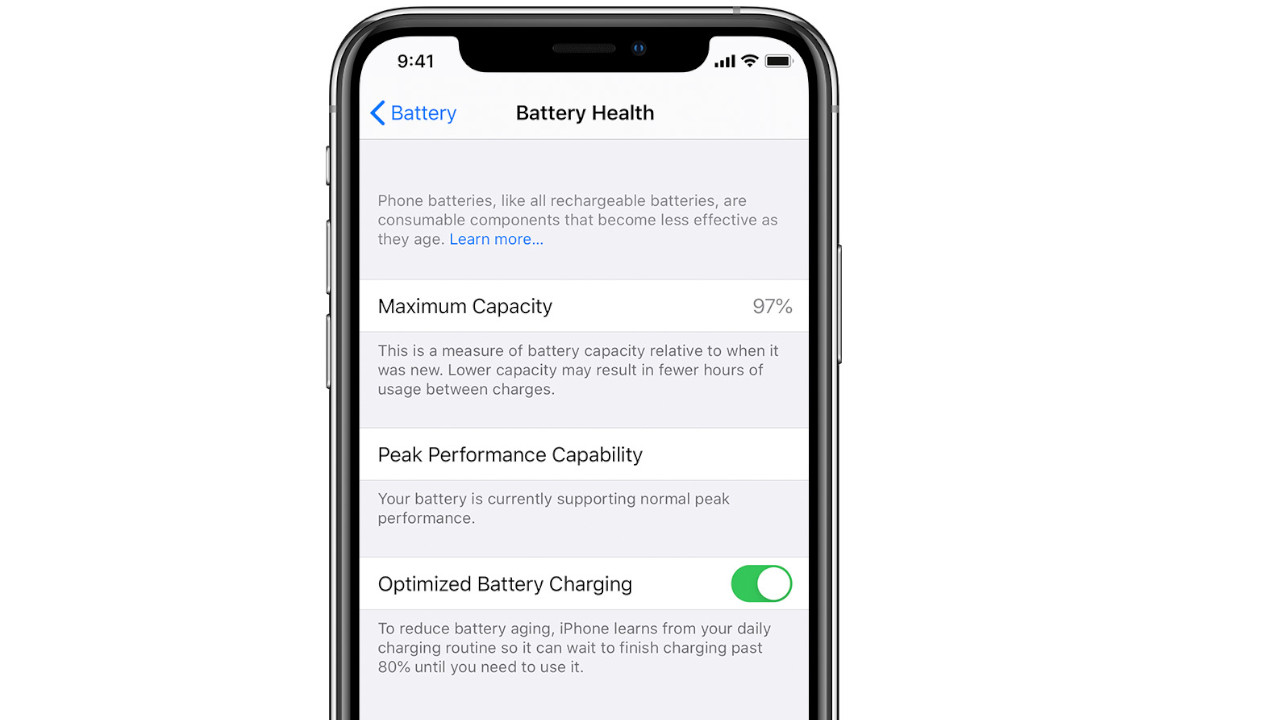
Lithium-ion batteries do not like it when you keep them constantly connected to the charger. While manufacturers have now integrated safeguards that prevent the batteries from overloading: As soon as the battery is full, either a maintenance current is supplied or charging is interrupted until the battery falls below a nominal value or charging is interrupted.
This means that the battery constantly hovers between 99 and 100%, being reloaded immediately as soon as it can charge again. This constant charging in the high range damages your battery more than it helps it. If you want to preserve your battery, you should unplug your smartphone from the charger as soon as it is fully charged.
For example, Florian Hockel from TÜV Süd explains (via presseportal.de):
The best practice is to never charge the battery fully and not fully discharge it, meaning one should always ensure that the battery is charged between 30 and 70 percent. After charging, one should remove the battery from the charger, not leave it connected permanently or charge it overnight.
Florian Hockel, TÜV Süd
You should not charge your smartphone overnight
If you charge your smartphone overnight, the same applies as during the day: The charging and discharging process often occurs overnight. And this can damage the battery over time.
What should you do instead? Instead of charging overnight, it is advisable to charge the battery during the day or in the evening. By the next morning, the device should still be sufficiently charged. Alternatively, you can use a digital (radio) alarm clock to wake you up just as your phone would.
Avoid frequent charging
You seize every opportunity to charge your phone, even if it’s just 30 minutes on the regional train or the 15 minutes you have for a quick lunch? In general, you should avoid frequently and briefly charging your battery.
A longer charging cycle is better for the device than charging it a dozen times in a row. Because each individual charging cycle stresses the lithium-ion battery.
The 8 most important tips summarized:
In the end, we summarize all the important tips. Here you will find all the key information if you want to preserve your phone’s battery.
- Avoid charge levels below 20% and above 90%. The best charge level is between 30% and 80%.
- Keep your phone away from heat sources while charging.
- The fast charging function does not harm your smartphone. Inductive charging via Qi standard is another safe option.
- Avoid high temperature fluctuations such as heat and cold.
- Do not charge overnight; instead, utilize the evening.
- Avoid constant charging of your phone’s battery. iOS users should use a battery mode.
- Pay attention to important certificates (CE) with cheap chargers.
What do you think about this? How do you charge your phone battery, or is there no right or wrong for you? Did our tips help you? Let us know in the comments. Are you looking for suitable accessories for your phone? Here we present the best power banks for phones, Switch, and more and tell you which devices are worthwhile for you.