Errors are completely normal; even at the Legend rank, they can happen. Recognizing the mistakes is important because only then can they be avoided in the future. We present classic beginner mistakes and how to prevent them in this Hearthstone guide, summarized in 5 points:
1. Overestimating your own health points
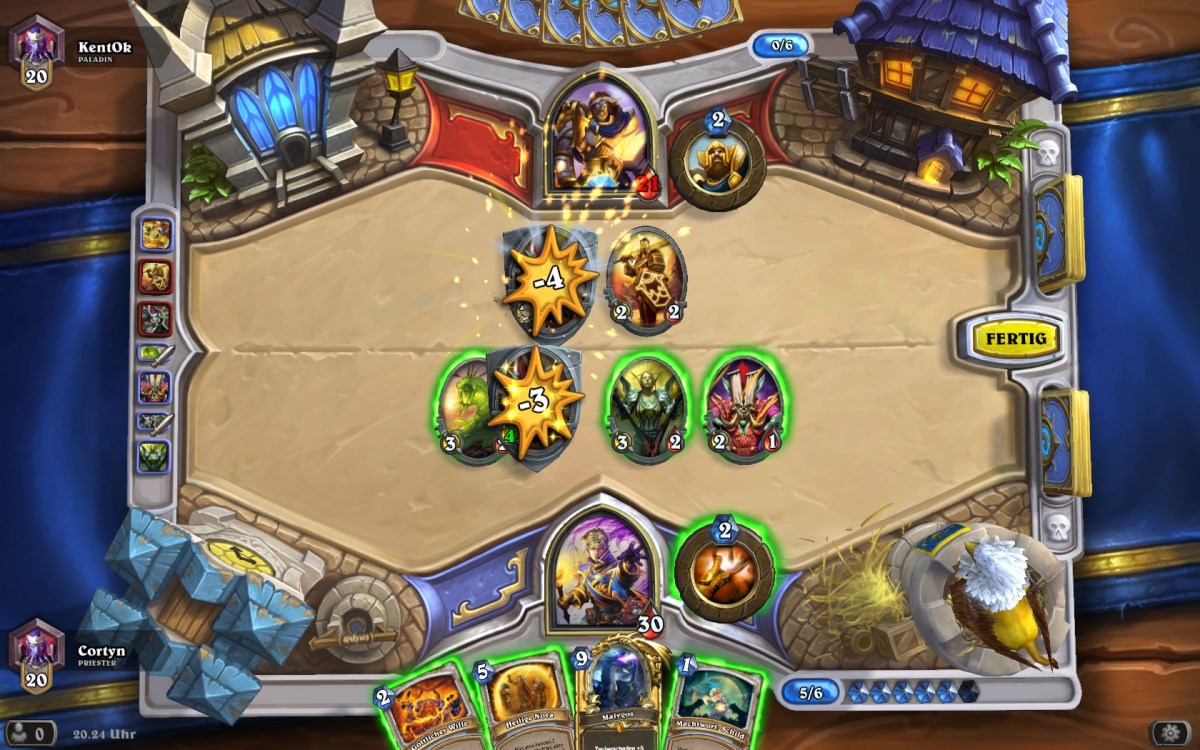
Health points are a resource, nothing more and nothing less. However, they are often overestimated. If there is a minion on the opponent’s field with the stats 7/1 (7 attack, 1 health) and taunt, it can be the right decision as a Druid to use the hero power to kill it. Especially when you still have 30 health points left. This saves you a spell or minion for that.
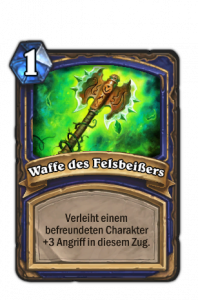
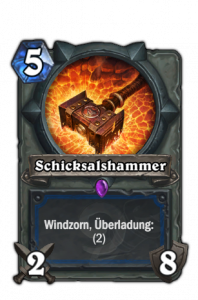
One must first know how much damage the opponent can inflict in the next turn at maximum. If the enemy is a Priest, there is little to worry about. A Shaman could deal 10 health points with Doomhammer in combination with Rockbiter Weapon. Assuming they have the mana and you don’t have a taunt minion. Theoretically, more is possible; here you need to know the cards and calculate.
So the question is: Am I still “safe” if I eliminate the 7/1 minion as a Druid now and then have 6 health points less than before?
2. Ignoring the board
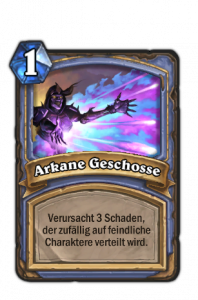
Very similar to the previous mistake. One underestimates the health points of the opponent and primarily focuses on dealing damage. For instance, one might start in turn 1 with Arcane Missiles because it deals 3 guaranteed damage to the opponent. It is better not to waste your own cards like that.
One should think about the future. Those who ensure that the opponent’s board is empty can deal more damage over time. And indeed much more than if one ignores the board and only targets the hero. Use your own minions and kill those of the enemy. Arcane Missiles should be used to deal the final blow, such as against the 7/1 taunt minion.
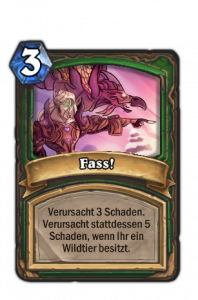
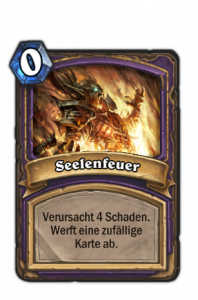
However, there are decks designed to deal 30 damage for victory as quickly as possible. Yet even these typically try to maintain board control in the early rounds, meaning to dominate the board. After a few turns, they will switch tactics and attack only the hero. The idea: The opponent dies before they can take control of the board. And even if they are able to do so, their health points are so low that spells, like Bomb! or Soulfire, suffice for the finishing blow.
3. Not knowing the decks
Admittedly, as a beginner, it is particularly difficult to avoid this mistake. It takes time and experience before one can assess the opponent’s decks. However, one should inform themselves about their own deck, especially if they copied it from the internet.
There is a playstyle called Zoo. The term comes from Magic: The Gathering, a deck with many small and mana-efficient minions and few spells. With the Warlock’s hero power, one rarely runs out of cards. The mistake: Many think Zoo is a Rush deck. This means that one plays minions and primarily attacks the hero.
However, this is a Control deck. One wants to dominate the board with many minions on their side. This works quite well, as your own units are cheap yet strong enough to be played early on. Those who do not utilize the deck this way play it inefficiently. For the Rush variant, other decks are better suited. Additionally, this repeats error number 2: Ignoring the board.
One should also know the opponent’s decks. If the Warlock uses their hero power in turn 2, they either have a bad start or are playing a late-game variant. This is a deck that becomes more effective the longer the game lasts. Only if one knows approximately what cards the opponent has can they calculate how much damage they can inflict in a turn at maximum. This allows for an accurate assessment of one’s own health points.
4. Playing (mana) inefficiently
These are small mistakes. An individual error does not stand out quickly, but they add up over time. One should always use all the mana they have available. If I have 5 mana, I play a 5-mana card. Or one for 3 mana, including the hero power. If one wants to deviate from this, they need a reason. Those who play with leftover mana should always ask themselves whether this is the right decision or if it could have been done better.
The hero power is almost always a good choice. If one already has board control, they can certainly play a slightly weaker minion and summon a 1/1. Because the hero’s ability is endless, you can use it each turn again; the cards cannot. This way, one gains a greater advantage over time.
Similarly relevant is drawing cards. If one has an Acolyte of Pain on the field and plans to attack with it, they should do that first. Even if one already knows exactly what cards they will play next. It is more sensible to draw the card first. Maybe a completely new tactic will emerge from that. The same applies to the Warlock’s ability. If you know that you will have 2 mana left at the end of the turn, draw the card first before doing anything else.
5. Playing too quickly
No, this does not mean that one does not leave themselves enough time to think. Particularly beginners do not make this mistake fortunately—they develop it later. There is a distinction between fast and slow moves, and sometimes one has to decide which choice is better.
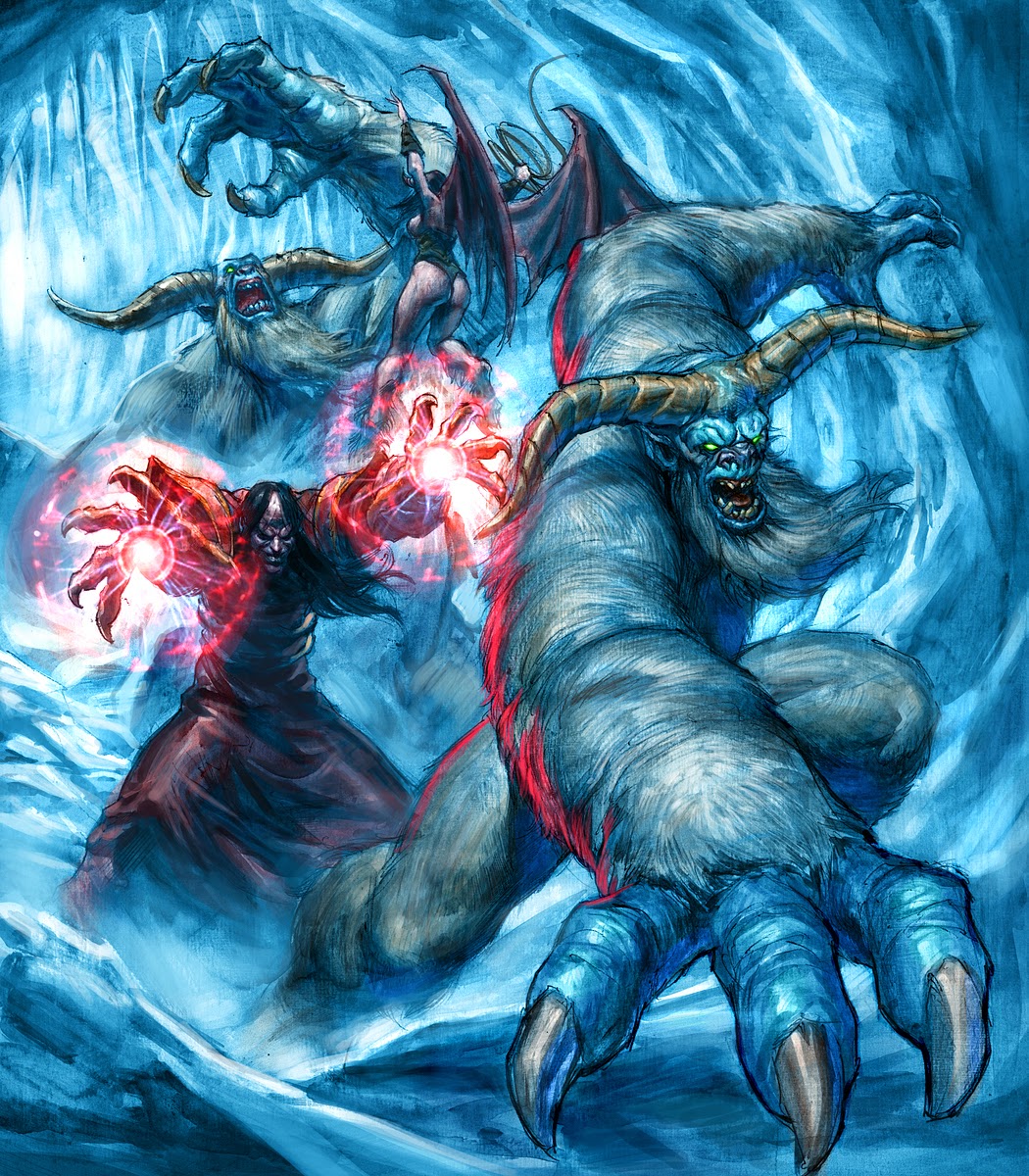
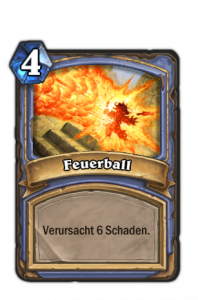
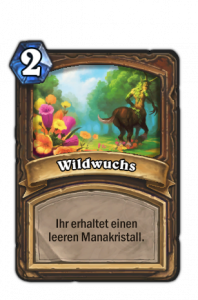
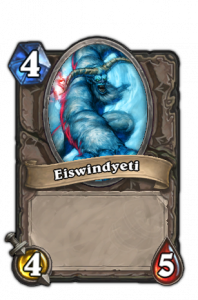
Fast moves are those cards that provide an immediate advantage. Typically, this involves spells, like the Mage’s Fireball. There are also some minions, like C’Thun’s Disciple or Ragnaros. Slow cards are often better, but provide an advantage only in the following turn. Often, they involve minions. The Frostwind Yeti is a potential example since it does nothing when played. With Wild Growth, there are also slow spells.
Those who already dominate the field can play slow cards much better, thereby creating further advantages. Fast cards are meant for the opposite situation.
Weapons are representatives of fast cards because they can be deployed immediately. At the same time, they are quite flexible, as they do not need to be used instantly. However, a common mistake is to attack the hero with them when the opponent’s board is empty. In a way, one does not ignore the board as per error number 2 since it is indeed empty. Nevertheless, it is rather unwise. Keep the weapon and wait until the enemy plays something. That way, one might need to sacrifice one less minion and thus gain an advantage in the long run.
This is an AI-powered translation. Some inaccuracies might exist.