The USK (Entertainment Software Self-Regulation) reviews video games for content that may be harmful to youth and assigns them an age rating. In our interview, the managing director of the USK discusses new regulations and trends within gaming.
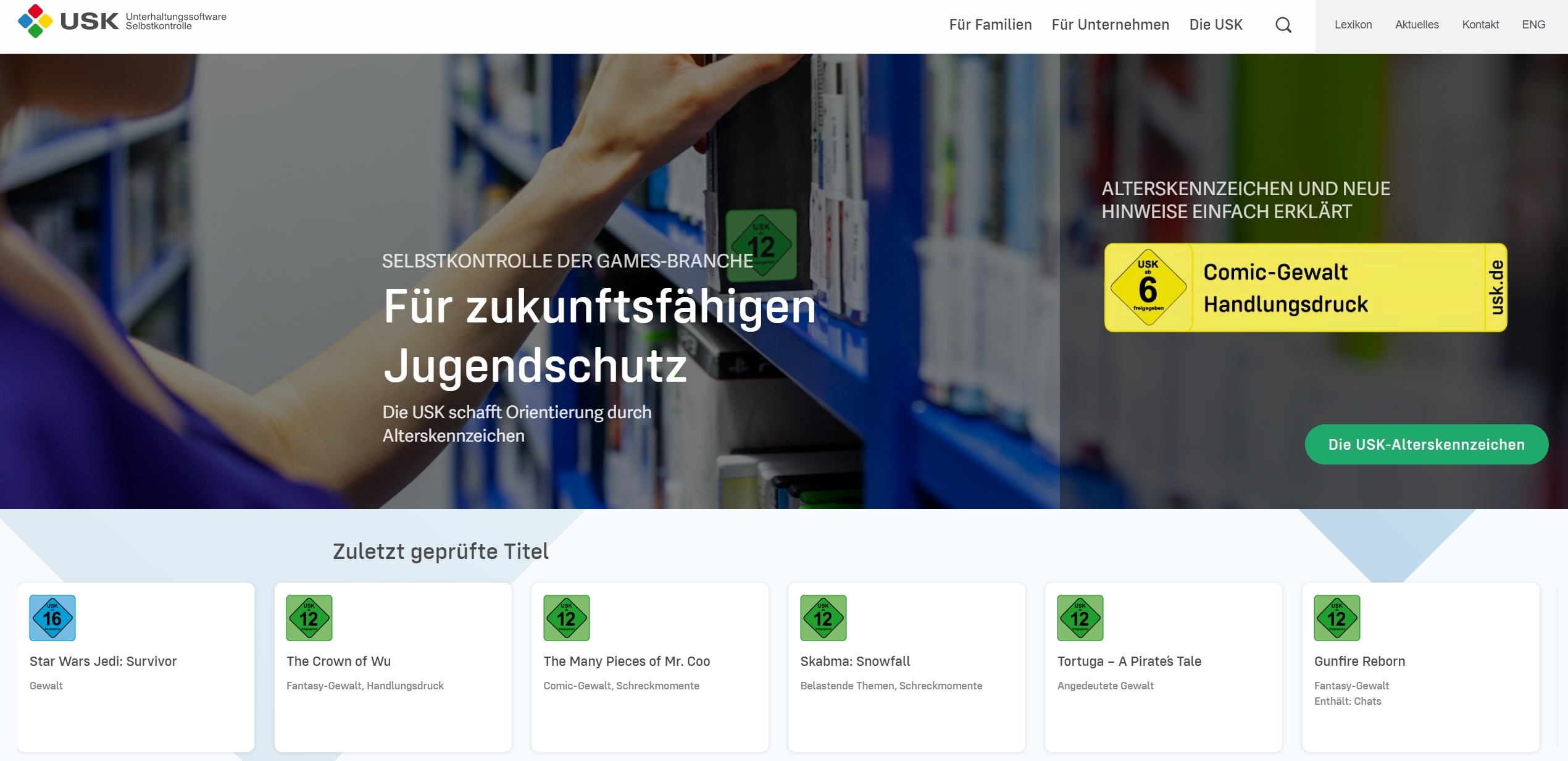
Anyone who has ever held a video game knows what a USK logo looks like. The Entertainment Software Self-Regulation checks numerous games for their content annually and provides them with an age rating and other information based on that.
Since January 1, 2023, new regulations regarding USK labeling have been in effect in Germany (more on GamePro). We at MeinMMO asked the managing director Elisabeth Secker a few questions in this context.
Online Chats and Cash Shops as a Danger for Children and Adolescents
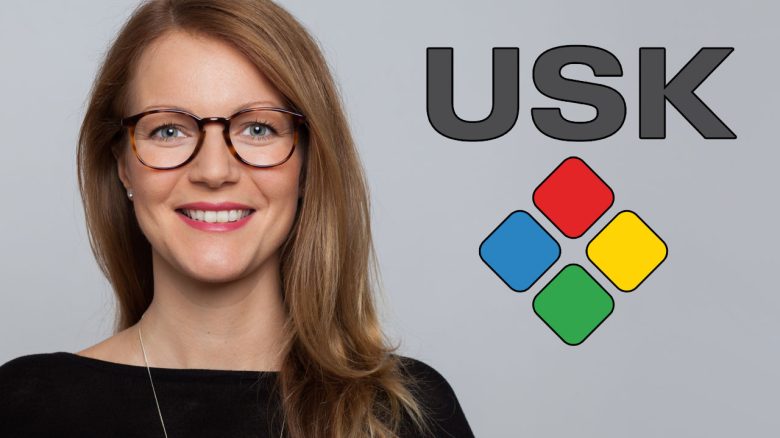
MeinMMO: Good day, can you please introduce yourself to our readers? What is your name and what is your role within the USK?
Ms. Secker: My name is Elisabeth Secker. I am the managing director at the USK and I look forward to your questions.
Since January 2023, a series of new regulations regarding the labeling of games have been valid. They include warnings about chats and cash shops in video games. Why can these be specifically problematic for children and adolescents from the USK’s perspective?
Correct. Since January 1, 2023, new rules apply to the age labeling of digital games. This is due to an amendment to the Youth Protection Act aimed at improving the protection of children and adolescents in the digital space. As a result, the age ratings have been expanded with additional information regarding content and usage, and the criteria for age classification have been updated.
Chat functions allow players to communicate across boundaries, form digital teams, discuss game tactics, and simply chat. This is not inherently problematic and can indeed improve the gaming experience.
From a youth protection perspective, the following questions are particularly relevant: How are the individual functions designed? Are there options for safe default settings, especially for younger users? Are there ways to report problematic behavior or block other users within the game?
All of this is important to curb risks such as inappropriate comments, cyberbullying, or even cybergrooming. In-game purchase functions are not fundamentally problematic for children and adolescents as long as tools for parental control of purchases are in place.
However, from a youth protection standpoint, it may be relevant how the integration of purchase functions occurs and whether children and adolescents may be pressured by the game to make purchases.

Can it be said in general when a warning about chats and cash shops is issued?
The USK does not issue “warnings”; rather, it transparently informs with additional notes about functions contained in the game that could lead to risks in the absence of parental default settings.
If a game submitted for review by the USK contains any additional functions such as communication options or in-game purchases, this is always disclosed. If these functions are deemed a significant risk by the independent USK committees, this may also lead to a higher rating and will be displayed as a reason for the age classification directly next to the label.
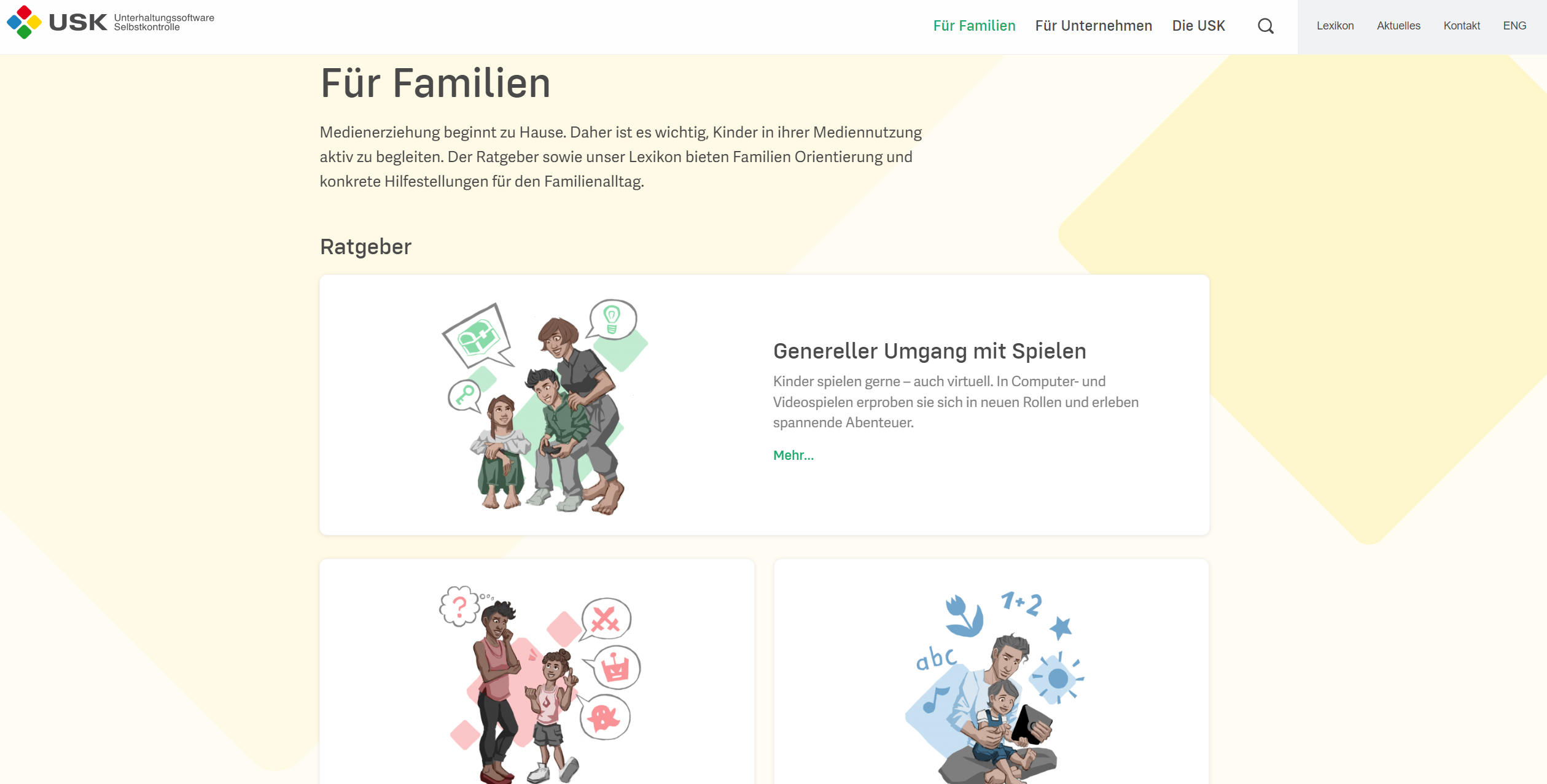
On our explanation page for parents, we have compiled the most important information.
New Trends in Gaming Cannot Be Ignored
What plans does the USK have regarding games that offer cryptocurrency and NFT trading?
New developments and trends are always viewed by the USK from a youth protection perspective. VR, cryptocurrency, or NFTs are exciting phenomena that we observe very closely on a content level.
We must continuously discuss what relevance this has for youth protection and how it may affect the development of children and adolescents. Currently, these trends have not yet fully reached children and younger adolescents.
Depending on development, such aspects may also be considered in assessments in the future. However, this will initially be evaluated on a case-by-case basis.

The Play2Earn option has existed in popular children’s games like Roblox for years. There are recurring reports about the exploitation or manipulation of children through the game content or other users. Is there anything the USK can do in such cases?
The USK is responsible for the youth protection assessment of digital games in Germany and provides information campaigns such as at the USK digital parent evenings on dealing with digital games.
Consumer protection questions, on the other hand, are the core competence of other institutions.
New Laws Lead to New Assessment Practices
As the managing director of the USK, you stated in the statement regarding the new regulations that they form the “cornerstone” for the application of the new Youth Protection Act. What further steps are to follow?
The legislator aims to improve the protection of children and adolescents in the digital space with the new Youth Protection Act by also taking into account the “new” online risks. This also has implications for the USK’s review criteria and the resulting age ratings.
With the start of this year, the USK will now implement the new regulations in reviewing digital games, and the regulations of the amended Youth Protection Act can take effect. How exactly the new case law will develop within the independent review bodies at the USK remains to be seen.
The USK’s guiding principles must therefore be constantly evaluated and developed based on new findings.
How will the new rules affect the ratings of games by the USK?
So far, the USK has rated games based on the media content. The changes to the Youth Protection Act signify a paradigm shift in the previous youth protection assessment practice: New, present elements in the game such as communication and purchasing functions, as well as game mechanics that may encourage excessive media use, are now included.
All these aspects can now be considered in the age rating, both through additional notes and in the assessment of the age rating itself. Another important point is that providers are required to take precautionary measures, meaning they must provide technical options that protect children and adolescents from these risks.
How the case law will develop here depends on the decisions of the independent review bodies at the USK.



On the official USK site, there is a section with information for parents. Among other things, it warns about online bullying and grooming. Can you tell us what information this area will be expanded with in the future?
We see a significant need among parents to better understand how to safely engage with gaming. Since 2022, the USK, together with other institutions in child and youth media protection, has been involved with the “Elternguide.online”, a portal that provides parents with concrete assistance on current issues in media handling.
In addition, we regularly offer “Digital Parent Evenings” to provide parents with concrete support – most recently on the topic of “Game Time” as part of Safer Internet Day 23.
We sincerely thank Ms. Secker and wish her and her colleagues at the USK much success in their work.