

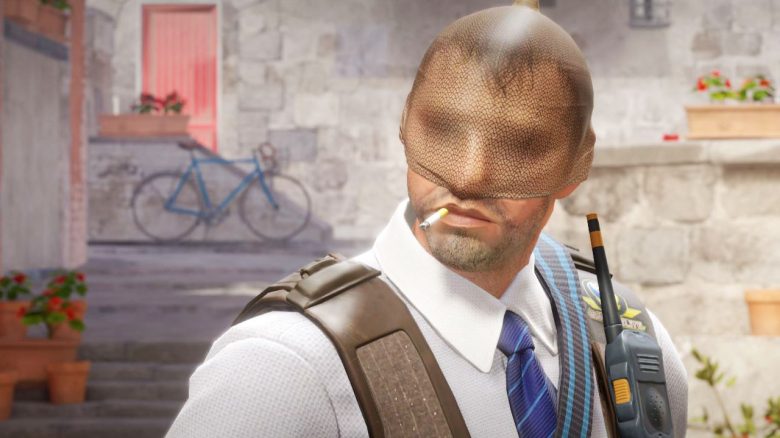
In CS:GO and now in Counter-Strike 2 there is a vibrant market for skins on Steam. The ugly brother of the legal skin trading are gambling sites that openly advertise and hire influencers for promotion. A YouTuber did not want to participate and is facing the consequences.

What is “Skin Gambling?”
- Skins are a huge business in Counter-Strike 2 for Valve: The Steam operator sells loot boxes that release cosmetic items that can then be traded. These items can also be sold and bought on the Steam marketplace.
- “Skin Gambling” involves online casinos where you can bet, lose, and win skins. The skins in CS:GO are used in these casinos like chips or money in a regular casino.
- For a long time, Valve took action against this skin gambling; the notorious Faze Clan operated from Antigua back then – this has changed now and “Skin Gambling” has become more mainstream. The sites look increasingly professional and attract high visitor numbers.
Difficult casino sites are buying advertising from many big streamers
What is “Skin Gambling” like today? As the British Guardian reports, the providers of such casinos are much more open today than before. The companies are formally based in countries such as Cyprus, Singapore, or Belize, yet they are active in the UK without a valid license from the regulatory authorities.
Therefore, it is also not guaranteed that reliable gambling mechanisms are in place or that youth protection is maintained.
To promote their business, they often hire streamers. As the Guardian reports, more than 200 of the 300 largest streamers for CS:GO are sponsored by the gambling industry.



YouTuber rejects immoral offer of over €260,000 for little work
Who stood up? The Guardian tells the story of Jeff, a YouTuber with about 750,000 subscribers who focuses on CS:GO.
He says that he was offered $280,000, which is over €260,000, by the company KeyDrop to promote the company for two months. It would have been enough to show a few 30-second clips during his videos.
But Jeff was the wrong person for the company. He decided against the money and wanted to make a statement:
“I wanted to show how unregulated gambling rots the brains of young people.”
Instead of taking the money, he published a multi-part documentary on his YouTube channel titled “The Dark Reality Behind CS:GO (Illegal Gambling, Lies, and Addiction)” which has since received 356,000 views for the first part in the 6 months since it was released.
“I know where you live”
This happened to him: As the Guardian reports, Jeff became a kind of whistleblower and a pariah. Although the reactions from regular users have been positive, he has also received threats and attempts were made to intimidate him.
An anonymous person wrote to him: “I know where you live.”
What do the parties involved say? The Guardian has contacted various companies. Three casinos made official statements. It was said, for example, that they pursue a strict “18+” business policy or explained that there are Steam regulations like a 7-day lock on skins. One company even stated that they do not operate any gambling at all.
However, the casino that offered Jeff the deal did not respond to the journalists’ inquiries, nor did Steam itself.
Part of the responsibility is sought with the governments, but also with Valve. Because the operators of the powerful PC platform Steam earn so much money with the skins in CS:GO that the motivation to intervene seems rather low.
Although microtransactions are usually frowned upon among gamers, since Valve (Half Life 2, CS:GO, DOTA 2) has such a good reputation and the microtransactions are purely cosmetic, loot boxes in CS:GO seem to be acceptable to many, while they were considered outrageous in other games like Star Wars Battlefront 2.
The issue of “Skin Gambling” has now entered the brighter part of the gray area to the extent that even major e-sport organizations openly advertise gambling, yet they still resist.

Your opinion is important to us!
Do you like the article? Then let us know!