

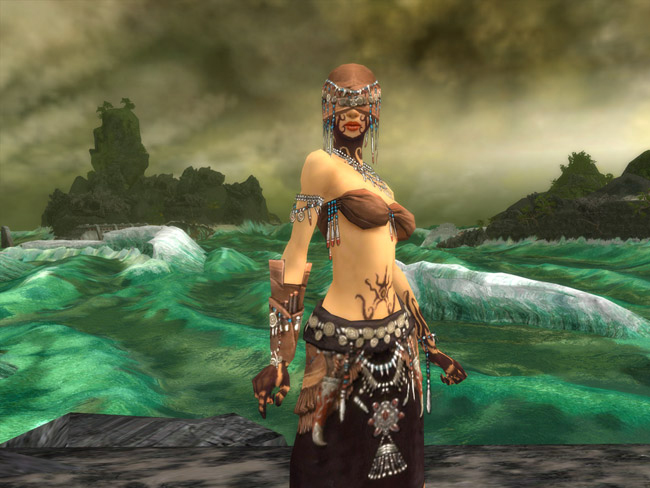
The first Guild Wars evokes a warm feeling in many players as they long for the times back then. Our author Jürgen feels the same way. He shares his story about Guild Wars, his first great online gaming love, and what makes Coop-RPG so special.
For many MMORPG players, Guild Wars 1 was a welcome alternative to World of Warcraft. ArenaNet’s online role-playing game went down radically different paths and convinced with gameplay concepts that were different from the competition.
What made Guild Wars 1 so special and where does it continue to live on in its successor Guild Wars 2?
Many players still have a special place in their hearts reserved for one game: Guild Wars! The first title in the series was released in 2005 and was different in many aspects from the then common MMORPGs like World of Warcraft.
Therefore, Guild Wars already had many fans back then who still play the game today and consistently call for an HD remake. But what exactly was so special about Guild Wars 1?
Guild Wars – The Features of the MMO
Guild Wars 1 did many things differently than the competition. For example, it was more of a Coop-RPG than an MMO, had no subscription fees, and featured a skill system that was more inspired by Magic: The Gathering than by D&D.
Guild Wars – More of a Coop-RPG than an MMORPG
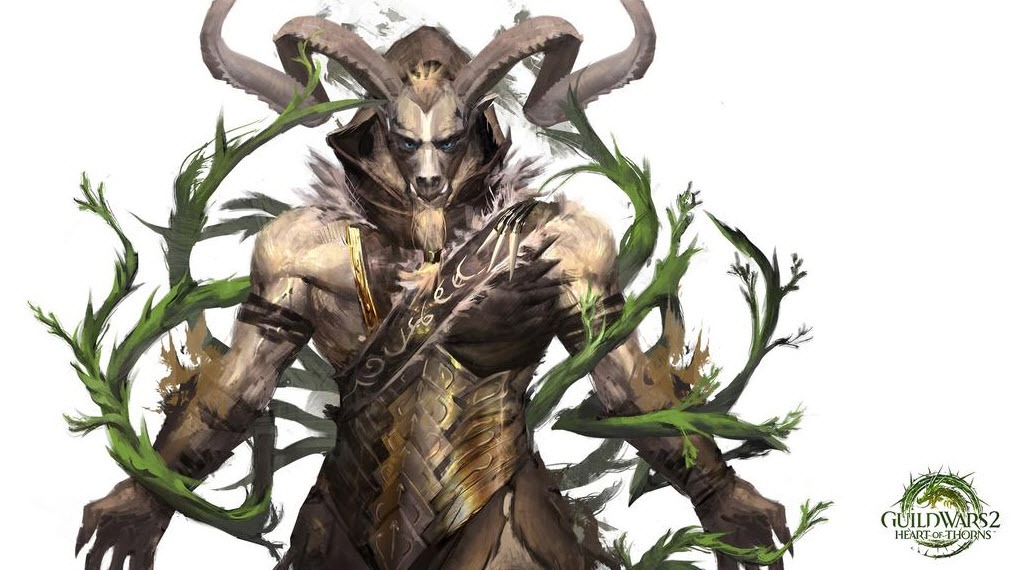
One of the unique features of Guild Wars 1 was that many players did not see it as an MMORPG. Unlike World of Warcraft and others, you only saw other players in so-called “hubs.” These were mostly cities, villages, or outposts where no monsters wandered. There were quests and you could trade and interact with other players.
However, when you went back out into the wilderness, you were alone unless you had invited other players beforehand. Alternatively, you could take along NPC henchmen and later some more powerful heroes from the story. Since every zone in the game world was strictly instantiated, you could only encounter the players you had invited.
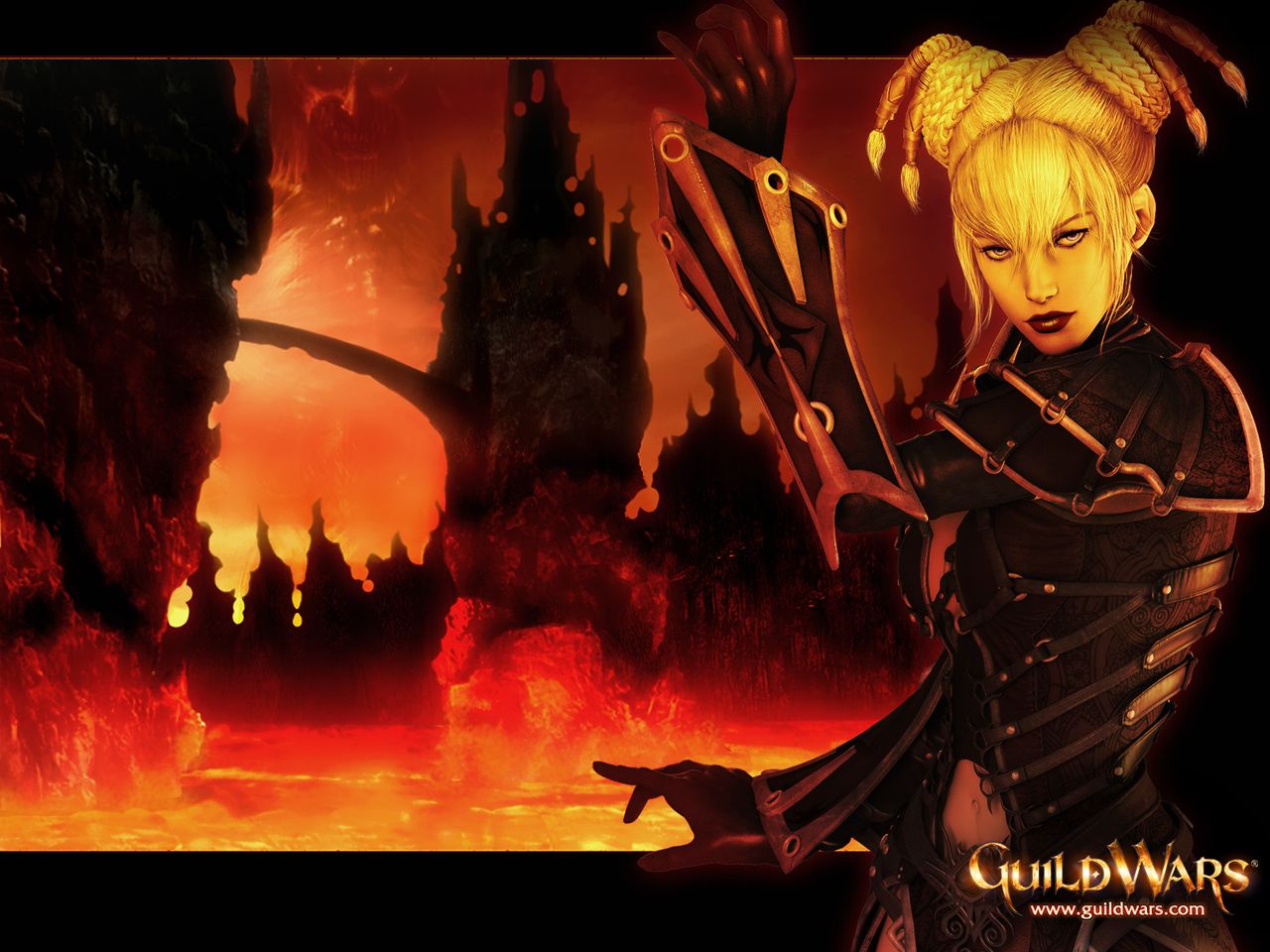
No one could steal your loot or kills, and as long as you didn’t leave the zone, there was also no monster respawn. You could explore the region at will, and what was dead or looted remained gone. This created an extraordinarily dense atmosphere, especially as certain regions became available in different stages in later expansions. This depended on the storyline: for example, before and after the enemy army’s attack.
Guild Wars – Skillsystem akin to Magic: The Gathering
The skill system of Guild Wars was also unique at that time. Instead of dozens of usable abilities and skill trees, there were only eight slots from a pool of nearly 1,000 skills to choose from. The effectiveness of these skills was determined by points in the respective skill category, and you could additionally choose another class along with your chosen class, whose skills you could also equip (with exceptions).

With the strict limit of eight simultaneously usable skills, you had to weigh your options carefully. Changing skills was only possible in the quest hubs. However, it was precisely this limitation that led to the creation of particularly unusual and effective builds. For example, the legendary 55HP monk build that reduced his maximum health points to 55 through numerous effects.
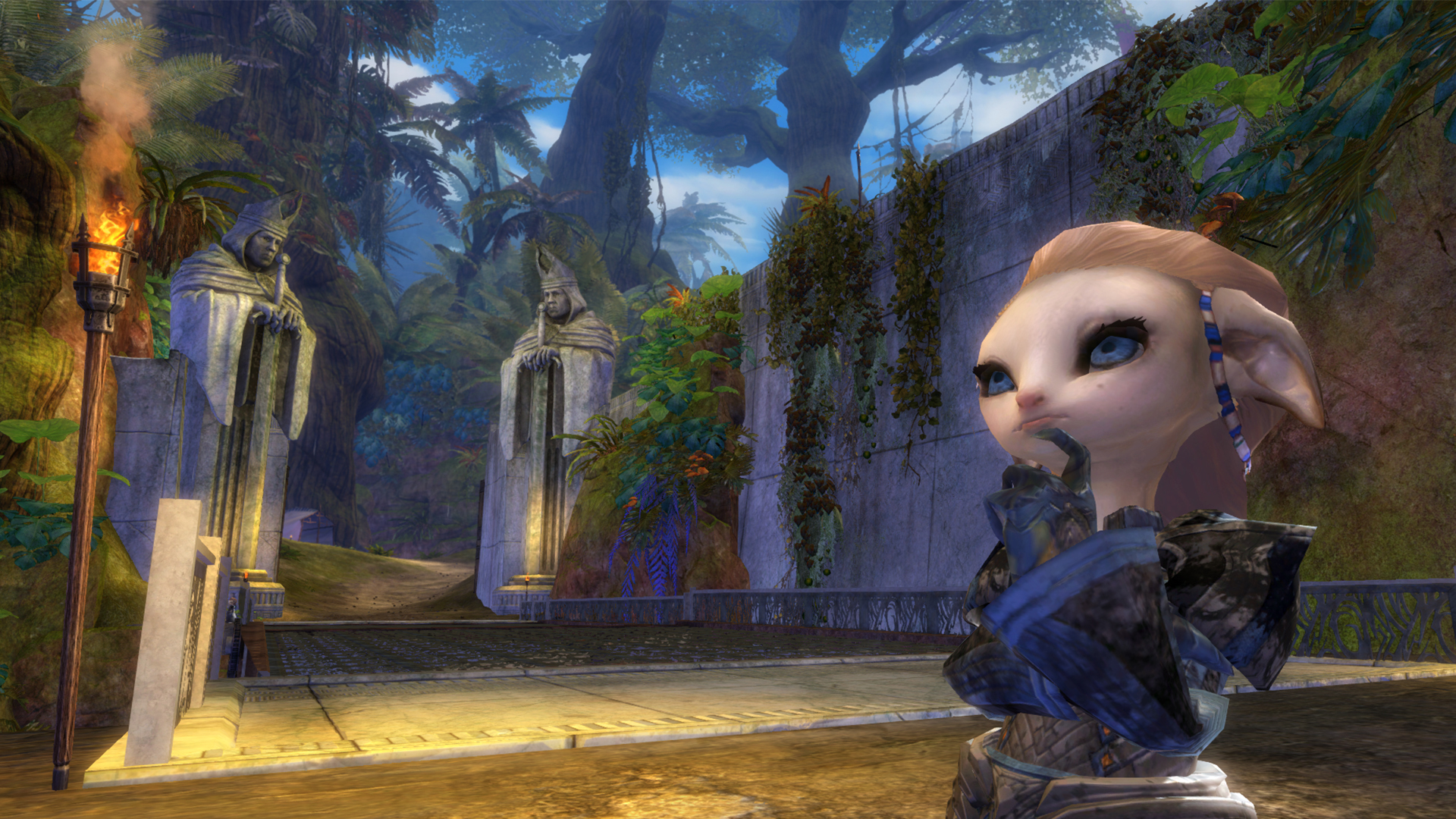
Using a skill that reduced all incoming damage to a maximum of 10 percent of total hit points, this character would only take 5 damage from all attacks, which he could easily heal back. Such a hero was very difficult to defeat and ideal for tanking or farming. Unlike Guild Wars 2, you had complete freedom in skill selection and were not dependent on fixed slots for weapon skills or support abilities.
Guild Wars – No Subscription Costs and Epic Expansions
While today most MMORPGs are free-to-play, back then most online role-playing games still had subscription models. Guild Wars, on the other hand, was a buy-to-play game, which you could buy once and then play for as long as you wanted.
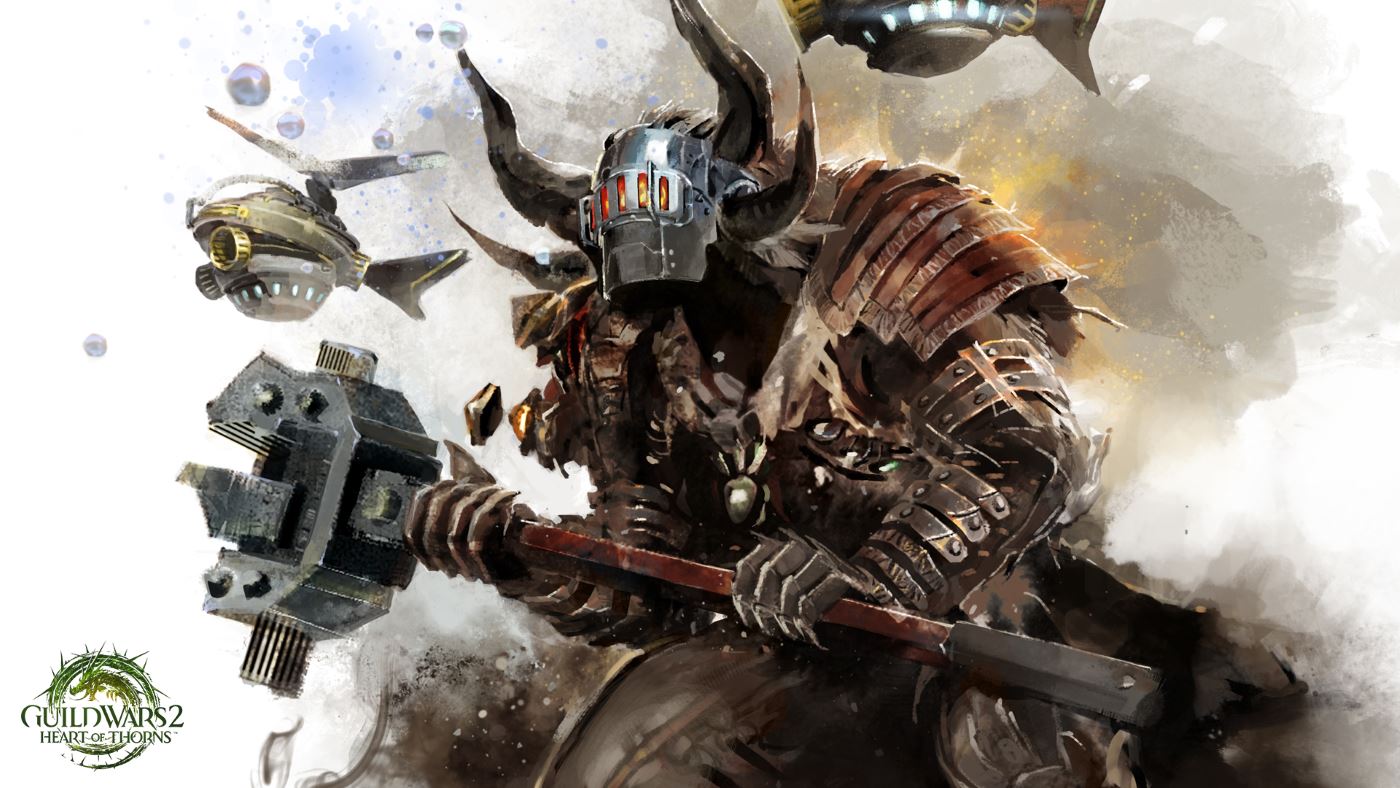
New content came in large expansions, each offering a new game world, the Asia-inspired Cantha, or the Africa-inspired region of Elona. Each expansion also introduced new heroes and game mechanics, such as the cool Ritualist and the faction battles for territories in Guild Wars: Factions.
Guild Wars – Quick in Endgame
Another cool aspect of Guild Wars: The maximum level was always 20 and was never increased. So you quickly reached the endgame, which was actually everything after the main campaign “Prophecies”. All quests and instances thereafter were thus “endgame” and gave you corresponding challenges.
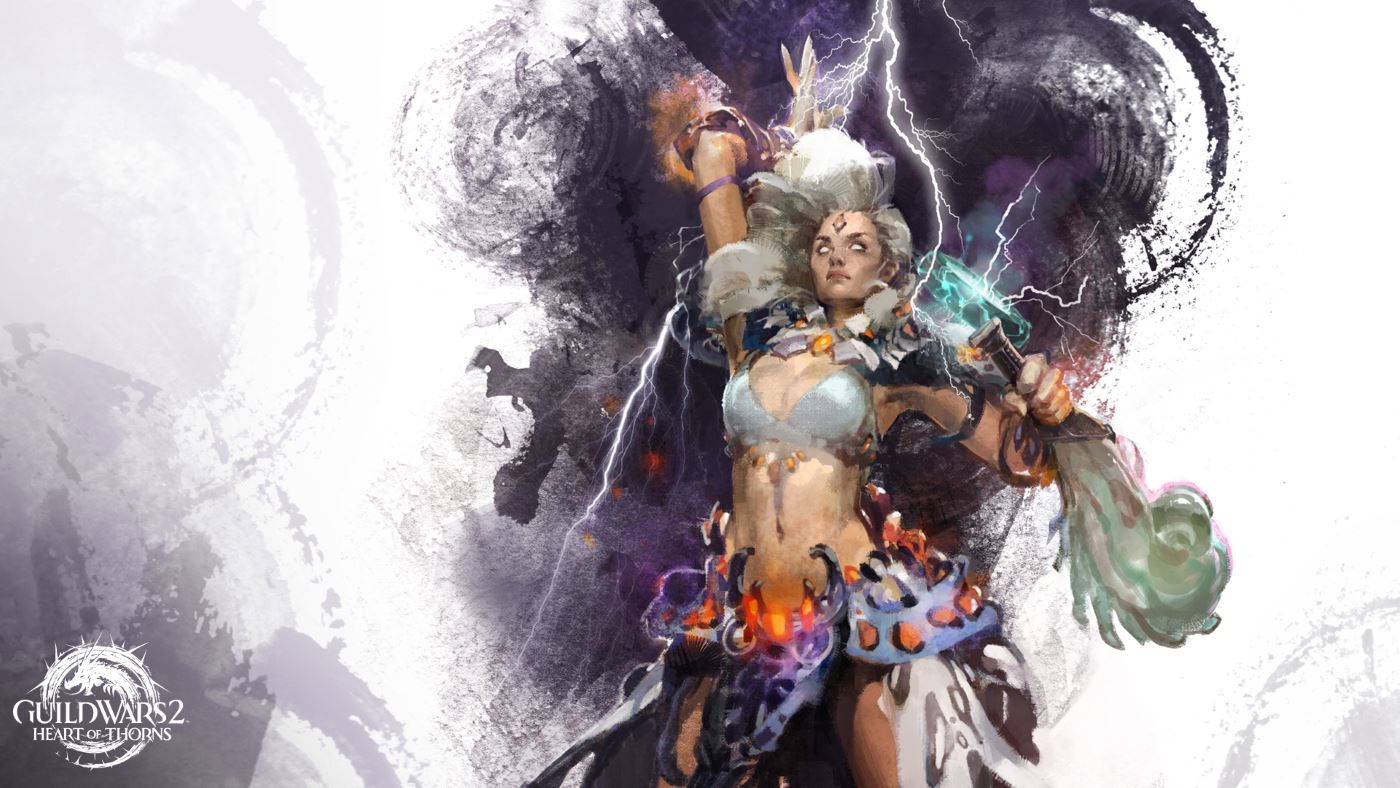
Additionally, there was hardly any vertical progression in Guild Wars. You soon had an equipment set of the best quality and the necessary upgrades to optimally adapt it to your heroes. There was no arms race. New items were farmed just for their cool appearance, and in the game itself, it mattered much more what the skill of the players was rather than the equipment.
Guild Wars 1 vs. Guild Wars 2 – What’s Missing
All of this led to the typical Guild Wars gaming feeling, which in many aspects was not adopted by its successor Guild Wars 2. Part 2 instead focuses on an open MMO world where many players are in play at the same time and complete dynamic events instead of quests. Enemies constantly respawn and many challenges are only possible if you happen to be there and enough people participate.
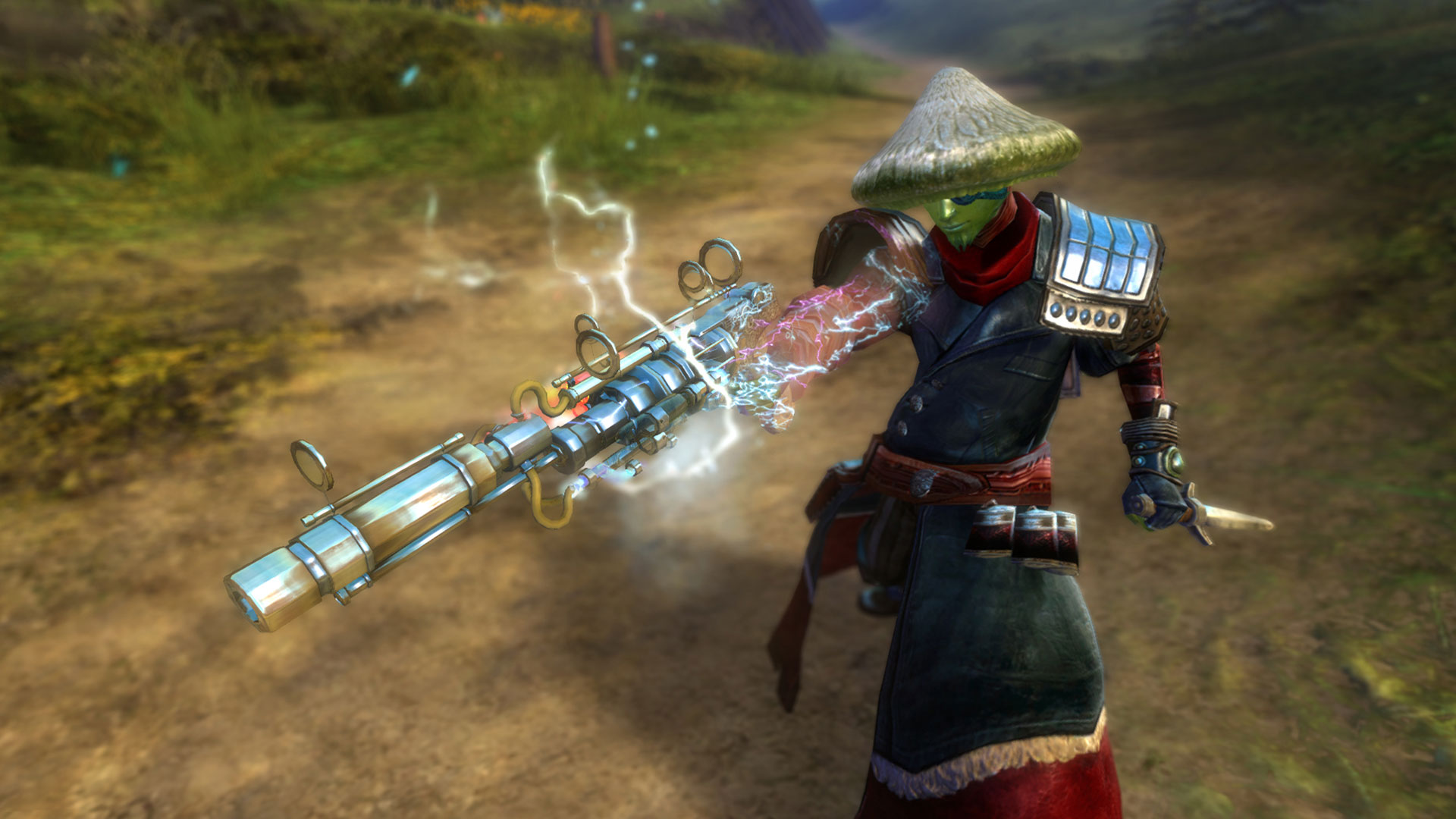
You still select your active skills from a pool, but the skill selection is much lower, and many skills are fixed to a function in Guild Wars 2. Skills 1 to 5, for example, are always dependent on the weapon, and skill number 6 MUST be a support skill. Those who wanted to experiment freely with their build will find few friends in Guild Wars 2.
Guild Wars 1 in Guild Wars 2 – A Treat for Nostalgics
The gameplay of Guild Wars 2 differs massively from its predecessor, yet much from Guild Wars 1 remains in the successor. Especially the cool world of the game continues to exist – in a changed form – and offers many overlaps.

It even seems that with each new chapter of the Living Story in Guild Wars 2, the references to the predecessor increase further. Especially the third season of the story heavily references the first Guild Wars, including the following scenes:
- You will encounter the islands of the Ring of Fire known only from GW1 early on. This is where the final battle against the lich took place in the Prophecies campaign.
- In Kryta, the White Mantle rises again, a fanatic cult that troubled you throughout much of the campaign in GW1.
- During the third season, the cultists even summon a corporeal Mursaat named Lazarus, who also made an appearance in Guild Wars 1.
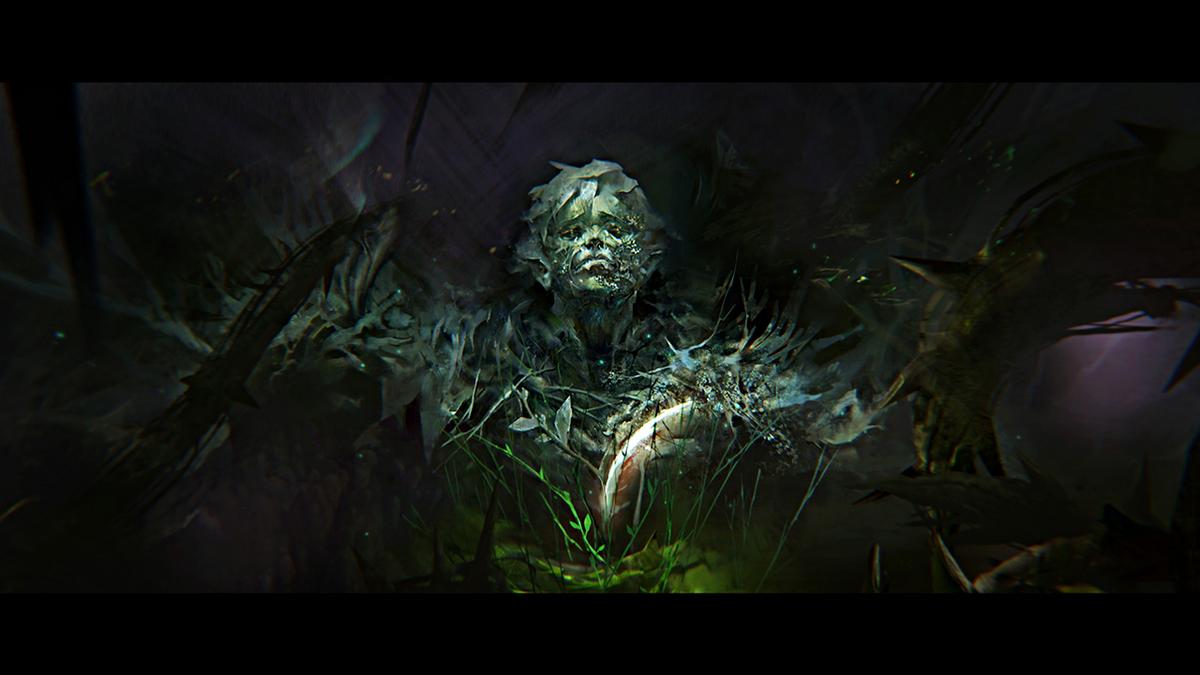
Additionally, the next expansion of Guild Wars 2 is set to take place in the Crystal Desert and Elona. This is where the white dragon Glint – creator of the Flame Seekers Prophecies – once lived, and in the Crystal Desert, your heroes gained enlightenment back then. Since this divine state has recently been talked about more often and the gods play a significant role in the upcoming storyline, much nostalgic content from Guild Wars 1 is likely to emerge in Guild Wars 2 in the future.
Jürgen says: For me, the first Guild Wars was my first online role-playing game, and I was thrilled from the very beginning. So I do miss the free skill system and the instanced regions a bit. But the successor has its advantages as well, above all the cool, ever-evolving story in the living story. I am curious to see how it continues and which secrets from Guild Wars 1 will be revisited.
Also interesting: Guild Wars 2 is currently facing challenges

Your opinion is important to us!
Do you like the article? Then let us know!