

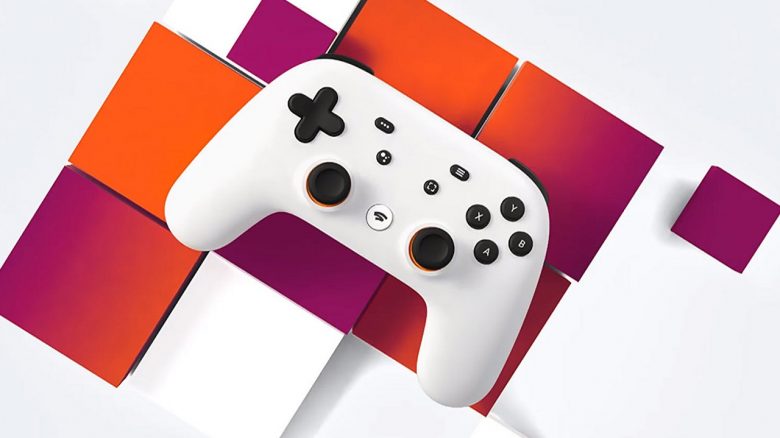
In 2019, Google launched its streaming service Stadia. Accordingly, it was supposed to develop its own games to appear on the platform. However, Google has now announced that it will close the studio. So far, it has not produced any games.
What happened? In a blog post, Google announced that its in-house studio SG&E (Stadia Games & Entertainment) is closing. This affects both the location in Montreal and in Los Angeles.
The employees are to be accommodated in other teams at Google, while the head of the studio, Jade Raymond, has left the company. Raymond previously worked at EA and Ubisoft and was involved in the development of Assassin’s Creed.
Why is the studio closing? According to Google, the main reason is that the development of games takes a lot of time. They say:
To develop top-notch games from scratch, it requires many years and substantial investments, and the costs increase exponentially. As we focus on building on the proven technology of Stadia and deepening our business partnerships, we have decided that we will not invest further in providing exclusive content from our internal development team SG&E beyond the short-term planned games.
The last paragraph mentions “short-term planned games,” but which ones those are remains unknown. So far, the studio has neither announced any games nor released any.
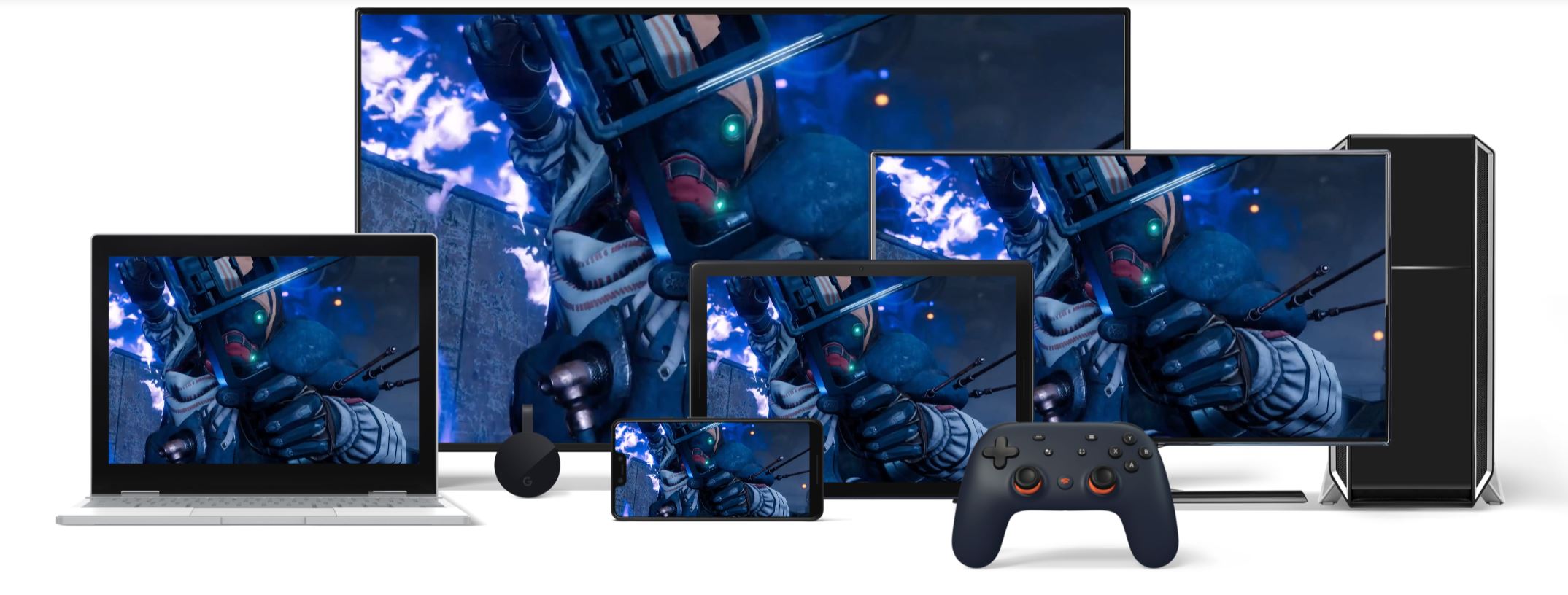
Stadia continues, focusing on external games
What’s next for Stadia? In the blog post, it was repeatedly emphasized that they believe in cloud gaming and see it as the future. Users of Stadia will continue to have access to the games. The service will not be discontinued.
In the future, Google wants to continue releasing new games from partners on Stadia. The collaboration with Cyberpunk 2077 was highlighted. That could also be played smoothly on low-end PCs thanks to Stadia. Our colleagues from GameStar tested that.
How is Stadia doing in general? In 2019, Google’s project gained attention. There was a promise that well-known titles like ESO, Destiny 2, or Borderlands 3 would be playable on low-end machines and even with smartphones.
However, at launch, the service could not meet all technical promises, which the CEO of TakeTwo also criticized.
Additionally, Stadia is not “Netflix for Gamers”. Many games must be purchased separately on the platform, even if you have a Pro subscription. This made it less appealing for players who had already bought the titles on other platforms like PC or consoles.
What do you think of Stadia? Have you tried the service and are you still using it? More about the streaming service, the costs, and the available games can be found in our Stadia hub.

Your opinion is important to us!
Do you like the article? Then let us know!