

In Genshin Impact there is a new option for protecting your account with two-factor authentication. MeinMMO shows you what this option offers and how to activate it.

What is it about? Recently, Genshin Impact introduced a new option in the game, two-factor authentication. This feature can protect your account from unwanted intrusions by hackers.
What kind of feature is this? Two-factor authentication is a widely used security mechanism for accounts. This comes into play, for example, when you log in from a new device. A code will then automatically be sent to the email address associated with your account.
Why is this so important? Through the Gacha system of Genshin Impact, players often spend a lot of money to buy Primogems and unlock certain characters.
It is particularly bitter when one’s account is compromised by hackers. There have already been issues with hacked accounts in the past (via sportskeeda.com), thus this feature was eagerly anticipated by some players.
How to activate 2FA in Genshin Impact
How to activate two-factor authentication in the game: You can do this manually in the game by changing the settings.
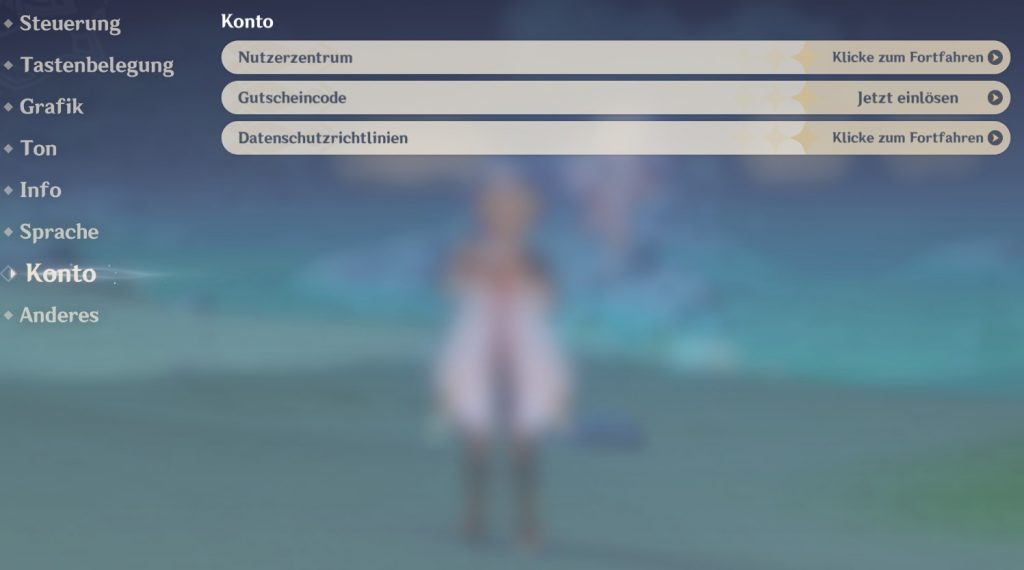
- Open the settings in the game
- Go to the “Account” options tab
- Open the user center and connect with your mobile phone
Is the feature available on all platforms? While the PC and mobile versions have direct access via the miHoYo account system, PlayStation players have a small detour.
You can register your PSN account for two-factor authentication through Sony itself. This can be done via the official website: playstation.com
If you suspect that you have been hacked, follow these steps:
- Log in to the website: account.mihoyo.com
- Log in with your account
- Click on “Previous Devices”
- Delete all devices that seem suspicious and do not belong to you
- Change your password
Is it necessary to activate 2FA? No, the feature is optional. However, it is still recommended as there have been ongoing issues recently. So you should play it safe.
The 2FA feature was demanded by many players due to the problems. Some even threatened to boycott (via inverse.com).

Your opinion is important to us!
Do you like the article? Then let us know!