

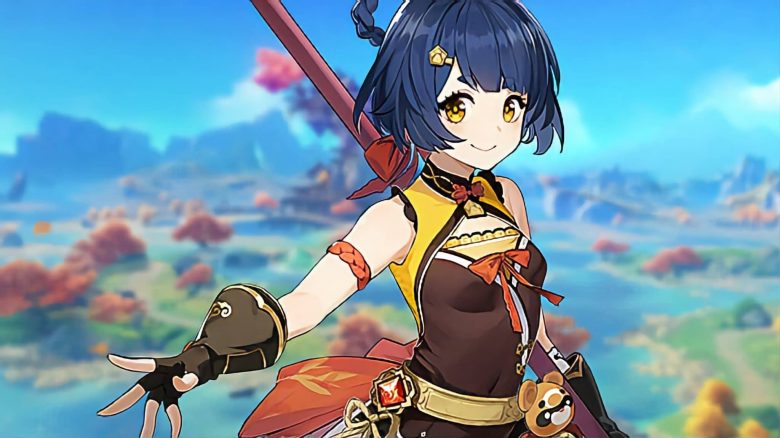
Many online games revolve around collecting better gear and becoming stronger. This plays a significant role, especially in battles against other players (PvP). This desire to be stronger than others and take revenge often leads to Pay2Win mechanics. However, Genshin Impact takes a slightly different approach and has achieved great success.

What is special about Genshin Impact? The new co-op RPG Genshin Impact takes a slightly different path than many free online games. While you can only obtain the best characters and weapons through a random gacha system, the incentives are meant to go beyond the theme of “best gear” – after all, the game does not offer PvP.
Instead, you’re supposed to feel connected to the characters and pay for that connection. Here, the developers play with the cute and sexy appearances of characters, while avoiding the frustration that some Pay-to-Win MMOs bring.
Pay for love, not for hate
What do the developers say? Liu Wei, one of the co-founders of Genshin Impact developer miHoYo, spoke in 2017 at a conference about the company’s monetization strategy.
According to him, many mainstream games capitalize on hate and the competitive mindset between players:
At that time, mainstream games made money from the hate between players after a battle. The revenue came from competition between players. Players wanted to be stronger than others and become number 1 on a certain server.
But miHoYo wanted to stand out with a different method:
We asked ourselves why we want to pay for it: Because we love a particular virtual character, we are willing to pay for them. This payment impulse was the opposite of what mainstream games had to offer at the time.
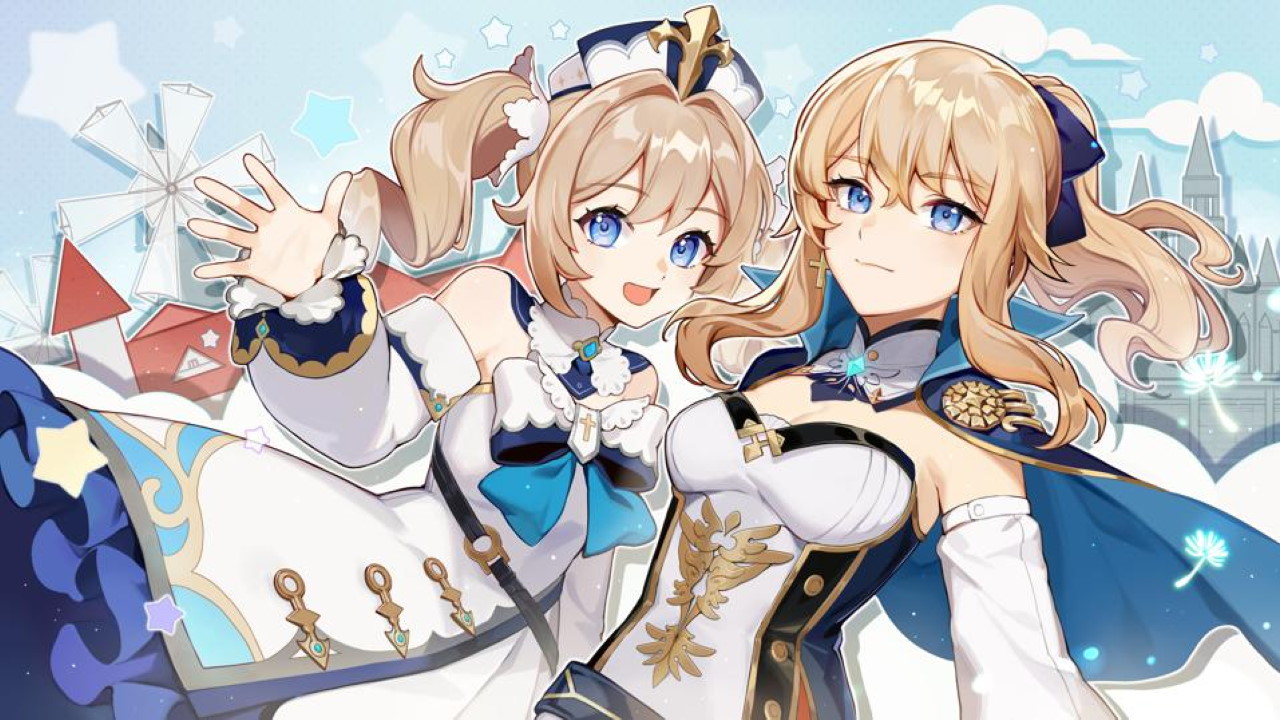
Did it work? The concept of the Chinese company has succeeded. Already two weeks after release, Genshin Impact had recouped its total development costs of $100 million.
According to the South China Morning Post, miHoYo started in 2012 with a budget of $14,750 and 3 employees. By 2018, the company was said to have generated around $300 million in revenue. Additionally, around 1,500 people now work for the company.
The journey for Genshin Impact is far from over. The RPG is also set to be supplied with new content in the future as a service game, including of course new characters.
Pay2Win and the problem with frustration
What is behind Pay2Win? According to Urban Dictionary, Pay2Win refers to obtaining better items than other players through payment in a short amount of time. In extreme cases, this disrupts game balance so much that you can only win by spending money.
Pay2Win mainly occurs in free online games (Free-to-Play) and capitalizes on situations where players quickly become frustrated or angry:
- I am facing a challenge that I keep failing. I need better gear to master it.
- I was defeated by another player. Now I need better gear to take revenge.
Playing with the hate and frustration of players even works in smaller circles and without investing real money. In Vanilla WoW, for example, good gear items for characters around level 19 were sold for a high price in the auction house. They were acquired by players so they wouldn’t lose in the first battlegrounds, but could instead thrash enemies.
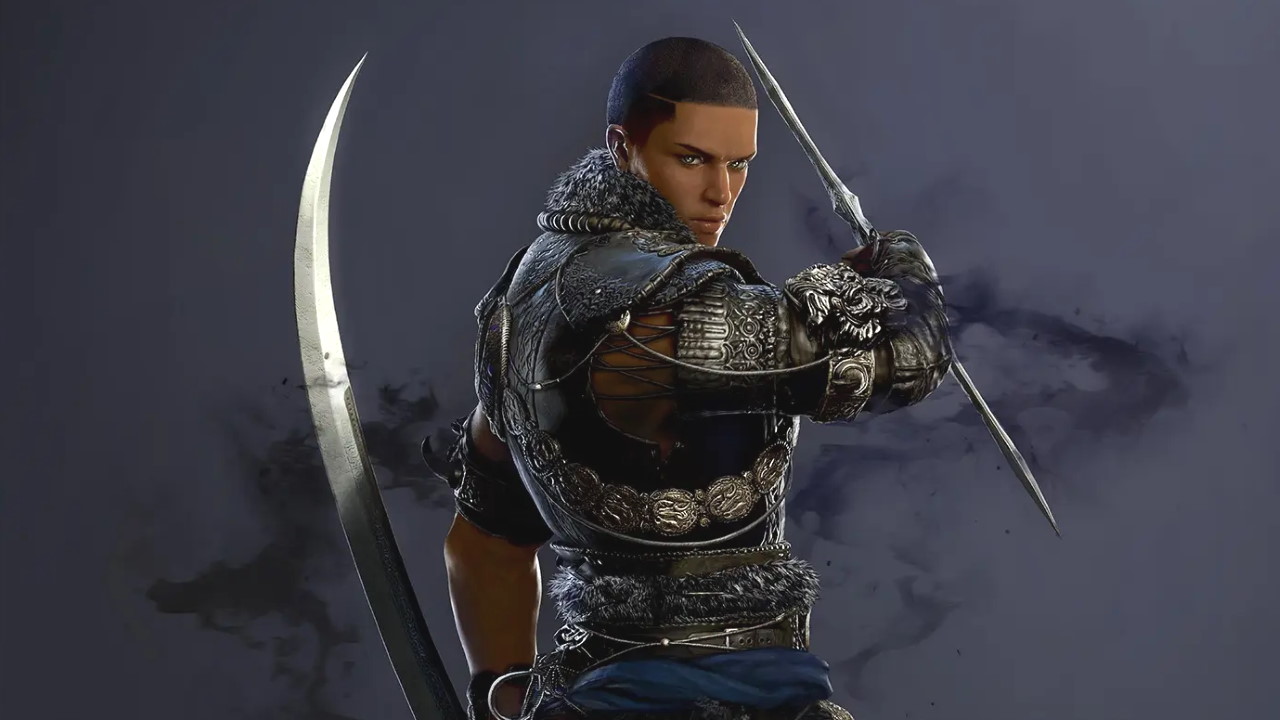
Pay2Win can take on various forms:
- In Black Desert Mobile, you can purchase in-game currency for real money and thus directly obtain the strongest gear from the auction house. However, this does not make you stronger than those who farm in-game – after all, they have put that gear up for sale.
- Other games offer faster respawn or potions with extra damage. These bonuses need to be purchased and provide an advantage in PvP that non-paying players will never get.
Pay2Win is viewed very differently by players. Some are tolerant – for them, Pay2Win begins only when purchasing stronger armor or better abilities. Others see even larger inventories or XP or loot boosts as problematic.
“Clean Free2Play” is successful, Pay2Win harms MMOs
Connection works even without girls: The system that Genshin Impact uses to encourage players to pay is not exclusively tied to Pay2Win or “sexy” characters.
The shooter Fortnite entirely avoids Pay2Win yet manages to generate significant revenue with skins. Players want to “look cool”, belong, and wear the “latest clothes” – just like in real life.
In 2019, it was able to generate $1.8 billion and thus reached the top spot among the most successful Free2Play games. League of Legends also ranks in the top 5, and even there, only cosmetic skins are focused on.

Pay2Win harms the entire genre: As early as 2017, we reported on the problems surrounding Pay2Win and its disadvantages. Monetization expert Ramin Shokrizade claimed that gold trading and Pay2Win have severely harmed the MMO genre.
By purchasing in-game content for real money, these lose their value, devaluing the efforts of “real players”. A prestige item is worth nothing if everyone has it.
The expert sees “clean Free2Play” primarily in skins like those in LoL and Fortnite as more successful and forward-looking, but also believes that developers have a responsibility to combat gold trading and similar issues.
Currently, there are 8 promising MMOs and MMORPGs in development. We reveal what makes them interesting and, if known, how they plan to monetize.

Your opinion is important to us!
Do you like the article? Then let us know!