


In England, a football professional has admitted to being addicted to Fortnite and it threatens his career. This seems to be a problem in professional football overall – a coach is now cutting off the players’ internet. A psychologist explains why professional footballers are so susceptible to addiction to Fortnite.

This is the statement of a football professional: An anonymous player from the English second division has spoken to “The Sun“. He says:
- he plays up to 16 hours of Fortnite a day on the Xbox One – in the “normal case” it is 8 to 10 hours
- because of this he has already missed training sessions
- now he is afraid of losing his girlfriend
- he is also worried about his job as a football player because he fears the club could throw him out
- he started playing Fortnite because Premier League stars like Dele Alli also played
- he appreciates the speed and competitive nature of Fortnite
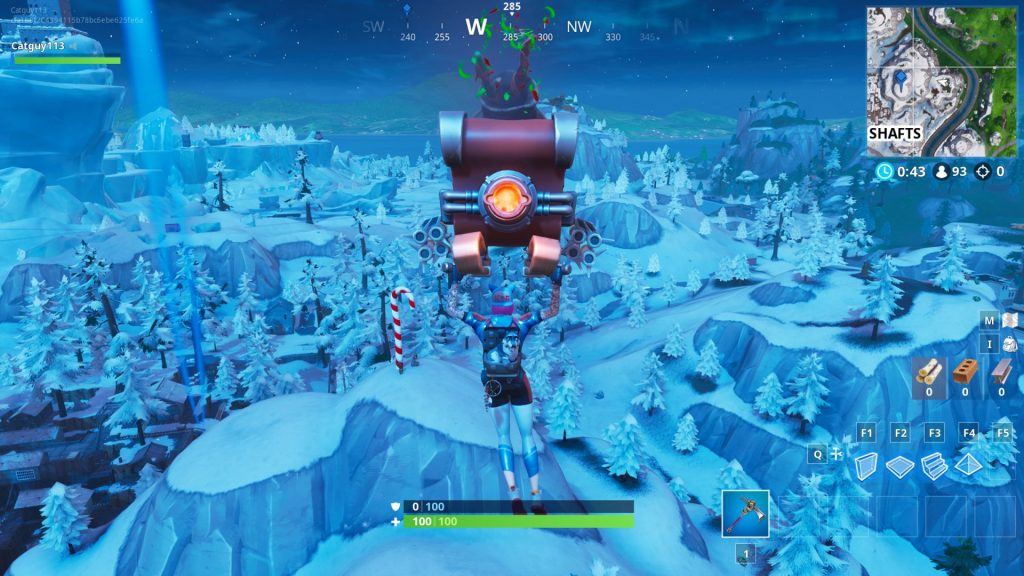
The anonymous second division player says:
“As soon as I come back from training, the first thing I do is turn on the Xbox to play Fortnite. I play for 8 to 10 hours a day – but once I also played for 16 hours without a break the day before a game.
Psychotherapist: Footballers are prone to addiction
A psychotherapist says: The Sun quotes psychotherapist Steve Pope, a specialist in addiction. He says:
- Footballers need to kill a lot of time
- Gaming is a “silent epidemic” – because footballers cannot be tested for it
- Footballers generally have an addictive personality, which also makes them good at their job.
- From a young age in training academies, footballers are trained to work to achieve a high – this fosters the idea that one must work to get a kick.
- If they are not playing football, they seek another kick through alcohol, drugs, betting, or gaming.
- The players game before a match to get their kick and then are “flat as a pancake”
- Gaming is a suitable substance for footballers because it can’t be detected in drug tests
Hasenhüttl cuts off the internet during away games
This is how the league reacts: Football coach Ralph Hasenhüttl currently trains Southampton. He has now announced that he will ban the internet in team hotels during away trips.
In his last club (RB Leipzig), he had the problem that players played until three in the morning – they need to be protected.
Hasenhüttl says:
“It’s not a small problem. To be honest, it’s the same as alcoholism or drug addiction.”
If governments do not treat the problem like an illness, clubs must protect their players.
Apparently, this also has a dark side. For example, the drop in form of Mesut Özil is being attributed to his enthusiasm for playing Fortnite, and they analyze his gameplay time.

Not only professional footballers seem to be susceptible to gaming addictions, but also a snooker pro succumbed to his addiction.
Hasenhüttl does not explicitly mention Fortnite, but it seems clear that he is referring to the game. He speaks of “addictive video games.”

This is how the mood has been so far: It has been known for some time that a lot of footballers play a lot of Fortnite.
During the football World Cup in Russia, it became known that many top players at the highest level are enthusiastic Fortnite players.
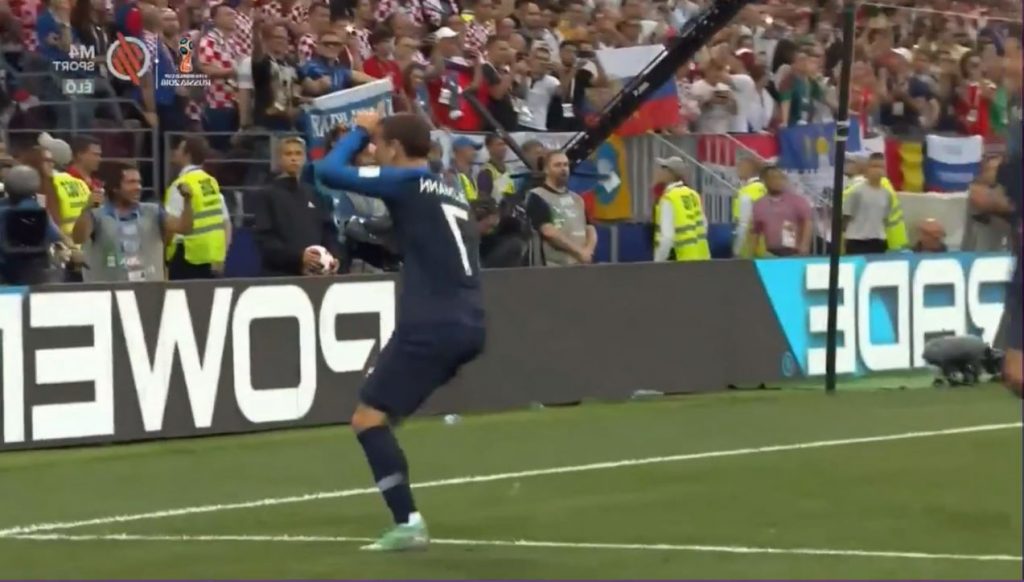
Even the top teams of the World Cup, such as France and England, played enthusiastically and celebrated their goals with the celebration from the game.
During the World Cup, this was portrayed rather positively – although there were already some negative signals. For instance, the German national coach Jogi Löw allegedly turned off the internet for his team because they were playing too much.
Apparently, this also has a dark side. For example, the drop in form of Mesut Özil is being attributed to his enthusiasm for playing Fortnite, and they analyze his gameplay time.
Not only professional footballers seem to be susceptible to gaming addictions, but also a snooker pro succumbed to his addiction.

Your opinion is important to us!
Do you like the article? Then let us know!