

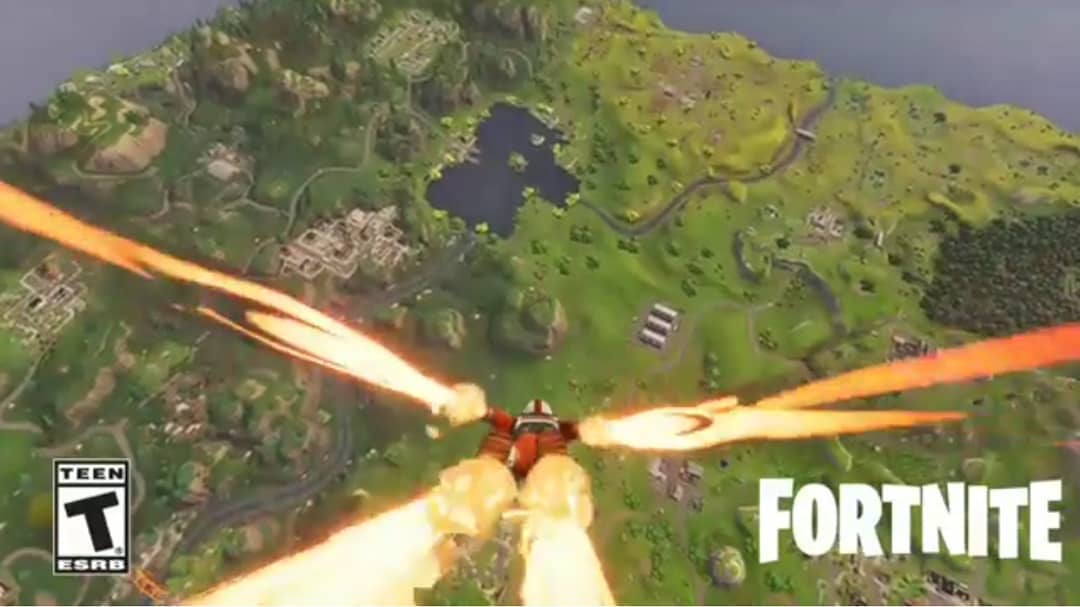
In Fortnite, there are big content patches every week with new modes. The Battle Royale has been developed from the ground up in just 2 months. Now, it is rapidly coming to mobile with iOS and Android. We ask: Why is everything happening so quickly there?

Fortnite virtually failed as a co-op shooter in the summer of 2017. But then Epic launched a battle royale mode just 2 months after the start of “Save the World”. With that, they overtook the competitor PlayerUnknown’s Battlegrounds, also because they reached the 75 million PlayStation 4 consoles that are in living rooms around the world.
Now Epic has pulled off the next stunt in record time and “just” ported Fortnite to mobile devices. And it’s the actual game itself – not a reduced mobile version. A stunt that was unexpected.
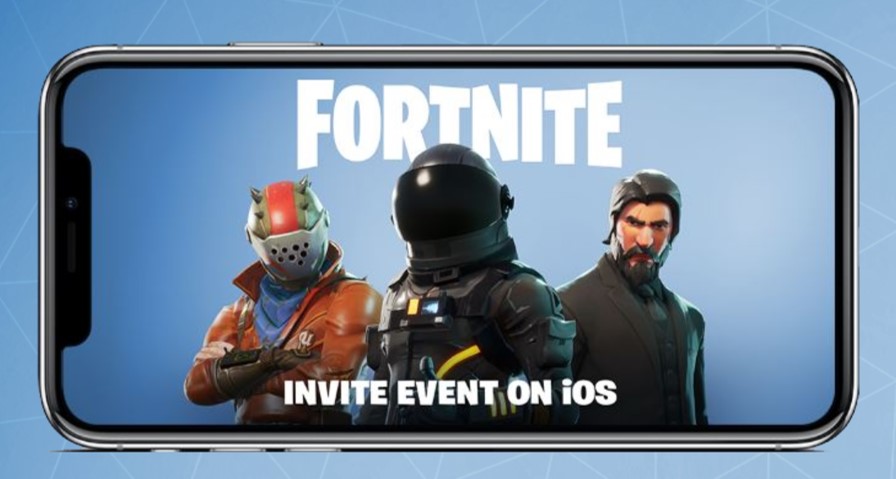
And all of this happened alongside the release of new content every week in the form of Limited Time Modes, new weapons and skins. Furthermore, Epic reacts in record time to fan feedback, solves bugs within hours, and maintains an incredible pace overall.
Considering how long ports to new platforms, new modes, or game content take for other games, even for those from renowned studios, one must ask: Why the hell is it all happening so damn fast with Fortnite?
We found three reasons.
Reason 1: “The Good Mood Reason” – We are just great
The marketing reason is mentioned by Epic’s Creative Director, Donald Mustard, in an interview with the US site Forbes when asked why Epic is able to do all of this so quickly.
Mustard states: “A really fantastic team, a company, and an engine. We understand what opportunity we have here and we are fully committed to it. We want to give everything we can to make Fortnite as beautiful and as fun as possible for everyone who plays it. We want to rewrite the rules of what a game can be.”
This is Epic’s good mood response: We just want to!
But let’s look deeper.
Reason 2: “It was all planned” – Epic wanted a hit
Another answer comes from the US magazine Polygon. They tell of a meeting last year with Epic developers when the co-op shooter Fortnite was previewed to journalists. At that time, Epic said: “This isn’t our first rodeo. It’s not even our second. Yes, it could be that it’s not even our third rodeo.”
Polygon states that the atmosphere during the meeting was such that Epic firmly believed in Fortnite’s success. Although the game did not convince journalists. But the studio was incredibly eager for a hit.
While Epic had enormous success with the Gears of War series on the Xbox 360, they had been trying for years to hit the next hype wave and capture a trend that would explode.
They had several irons in the fire:
- With Fortnite, they originally wanted to catch the Minecraft wave
- With Unreal Tournament, they aimed for eSports
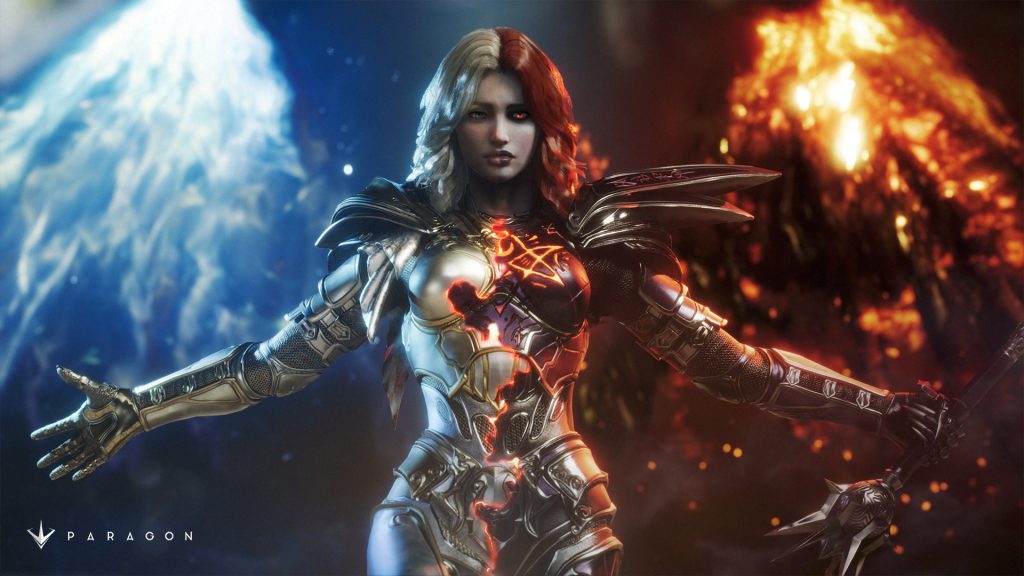
- And Paragon was intended to catch the wave of Dota 2 and League of Legends
When they recognized the opportunity to jump on the battle royale wave, they seized it and went all in.

Model: Destiny as a Lifestyle Game, but even more lively
With Fortnite: Battle Royale, Epic benefits from how they originally designed the PvE game Fortnite. It was not planned as a rigid game but as a changing, living game.
They explained this to journalists by referencing Destiny.
Polygon also quotes Mustard: “Destiny is a very living product. When you look at Destiny, it’s technically not free-to-play, but it’s designed that way. Everything is robust and can be continuously developed. It has a rhythm, a cadence, that is much more lively than a traditional game. We have those systems too, and ours are even more robust than Destiny’s.”
Fortnite was thus already designed to be rapidly developed – and as a battle royale game, it could achieve this success that the PvE game Fortnite was not allowed to experience.
But how exactly did Fortnite create these foundations?
Reason 3: The Engine
The biggest technical advantage Epic has is clearly the Unreal Engine used. It is developed by Epic itself.
While other “Triple-A” titles can only manage half-hearted mobile ports with their engines that take years, the flexibility of the Unreal Engine is remarkable.
Because the Unreal Engine was designed for mobile from the beginning.
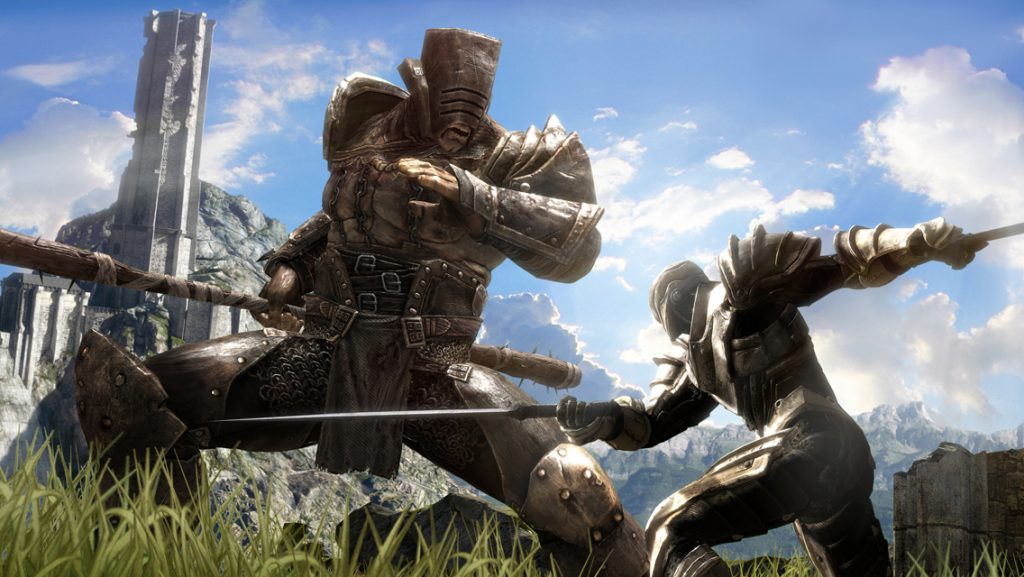
Polygon knows that Epic has been working with the developers of the hit mobile series “Infinity Blade” on their games for years to adapt the Unreal Engine for mobile. Therefore, the engine inherently has the capability to support iOS and Android.
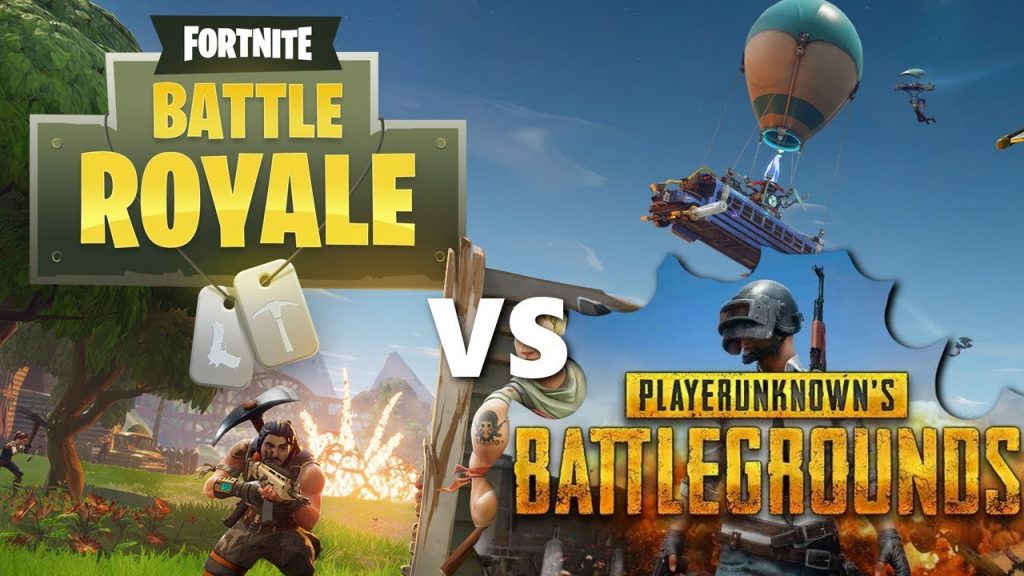
A game like PUBG needs Microsoft’s help to port their game to the Xbox One, partners with them and excludes the PlayStation 4 for a time. Epic does not need to enter such deals, allowing them to focus on maximum reach.
The flexibility of the engine can be fully exploited by Epic. This gives Epic and Fortnite an almost unfair market advantage.
Observers believe that Epic can penetrate regions with Fortnite through this enormous speed and flexibility that are unreachable for other games. The last game driven up by a young audience like this was Minecraft.
With a detour, Fortnite can indeed emulate the game it originally aimed to rise alongside.
If you want to stay updated on Fortnite, subscribe to our Facebook page for 100% news on Fortnite!
More about Fortnite:
Fortnite: Battle Royale – Tips from the best player in the world

Your opinion is important to us!
Do you like the article? Then let us know!