

At the beginning of the story of Endwalker, the latest expansion of Final Fantasy XIV, you will receive a very important item. Its origin lies in a Greek myth that everyone has heard of.
Please also use the spoiler function in the comments.

Like many other games, FFXIV extensively draws from various real-life areas. Concepts from philosophy, art, and literature as well as famous historical figures can be found as names of NPCs or places.
However, the developers most frequently rely on various mythologies and religions of the real world. From the god Odin to Hindu deities like Shiva, Garuda, and Lakshmi, to Susanoo from the Japanese Shinto tradition.
Accordingly, the most important item from the new expansion Endwalker also has its origins in mythology.
What item is it about?
After Hydaelyn has been silent with the Warriors of Light in Shadowbringers for many patches, there are finally some conversations with her again in Endwalker. You see her original form as Venat and during the first quests at level 80, you also receive a small gift from her.
This is a special flower that initially has no distinct name. However, it has the ability to change its color depending on the feelings of the people around it.
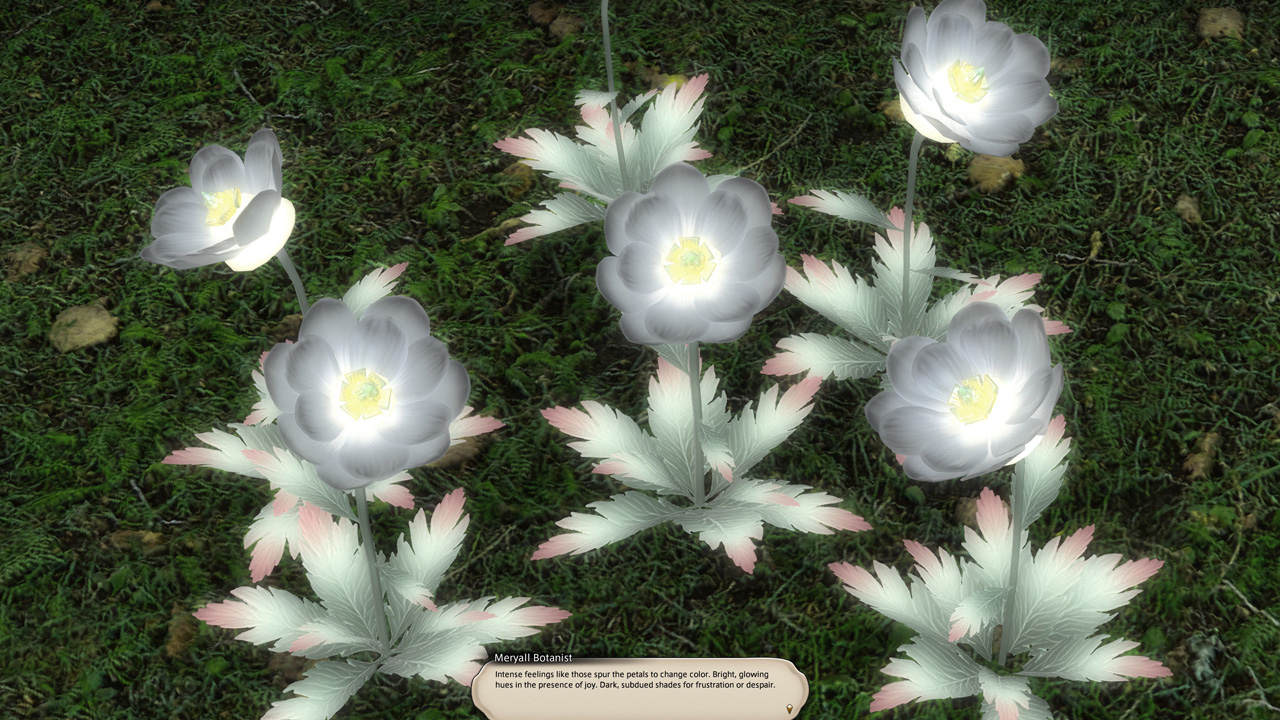
The item is considered extremely important by Hydaelyn. It is meant to accompany the Warrior of Light on their journey and point them in the right direction. And so, it is carried for a long time while trying to find out what the special flower is all about.
Eventually, players learn during their visit to the moon that the flower is named Elpis. And this name carries a lot of symbolism, as it originally comes from Greek mythology.
Elpis and Pandora’s Box
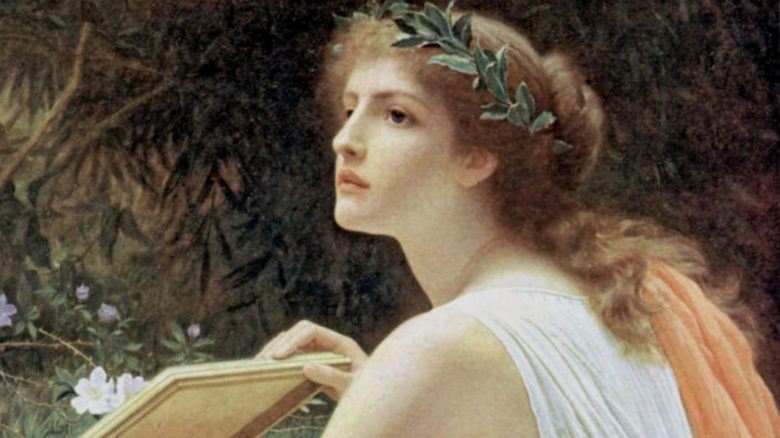
The myth of Pandora is one of the best-known stories of ancient Greece in Europe. Long ago, Zeus commanded the smith god Hephaestus to create a beautiful woman out of clay, who would be sent to Earth among the people.
From other gods, she receives gifts like musical talent, charm, and enchanting speech, but also curiosity and impetuosity. They name her Pandora, and she is presented as a gift to Epimetheus, the brother of Prometheus.
Contrary to the warnings of his brother, Epimetheus marries Pandora, but she brings a dangerous wedding gift with her. Zeus gives her a box that contains all the evils of the world and hope. Overwhelmed by her curiosity, Pandora opens the box, releasing the plagues.
In the end, only hope remained in the box, and her name was Elpis. In Greek mythology, Elpis is also depicted as a goddess who appears as a young woman holding flowers or a cornucopia in her hands.
She is now the only benevolent goddess still among humans, while the evils ravage the world and make life difficult. All others have retreated to Olympus with the end of the golden age, which ended with the release of the evils.
And while the poet Theognis laments that the world and humanity have turned bad, he also states that they can still trust in Elpis. For hope will offer them comfort and help in dark times.
What does it mean for FFXIV? The concept of hope for a better tomorrow runs through FFXIV like a red thread. Again and again, the player character and their NPC friends fight, hoping that the world will be a little better because of it. The story of FFXIV constantly reminds that although there is much bad and evil in the world, one should not give up hope.
Whether during the Dragon War in Heavensward, the retaking of Doma and Ala Mhigo in Stormblood, or the rescue of the first shard in Shadowbringers. The characters fight and hope despite vanishingly small chances and the terrible losses they suffer along the way.
In Endwalker, this hope takes the form and function of the flower, namely to guide the player character on the right path to prevent the end of the world.
What do you think of the symbolism of the Elpis flower in Endwalker? Do you find it fitting? How do you like the add-on so far? Let us know in the comments and please use the spoiler function.
Final Fantasy XIV brings new expansion Endwalker – Release date and all info

Your opinion is important to us!
Do you like the article? Then let us know!