


YouTuber and FaZe co-owner Richard “FaZe Banks” Bengston stated in a podcast that a few years ago he operated a lucrative gambling site for CS:GO. Many can’t believe he admits this so openly. Because four years ago, a scandal was brewing.

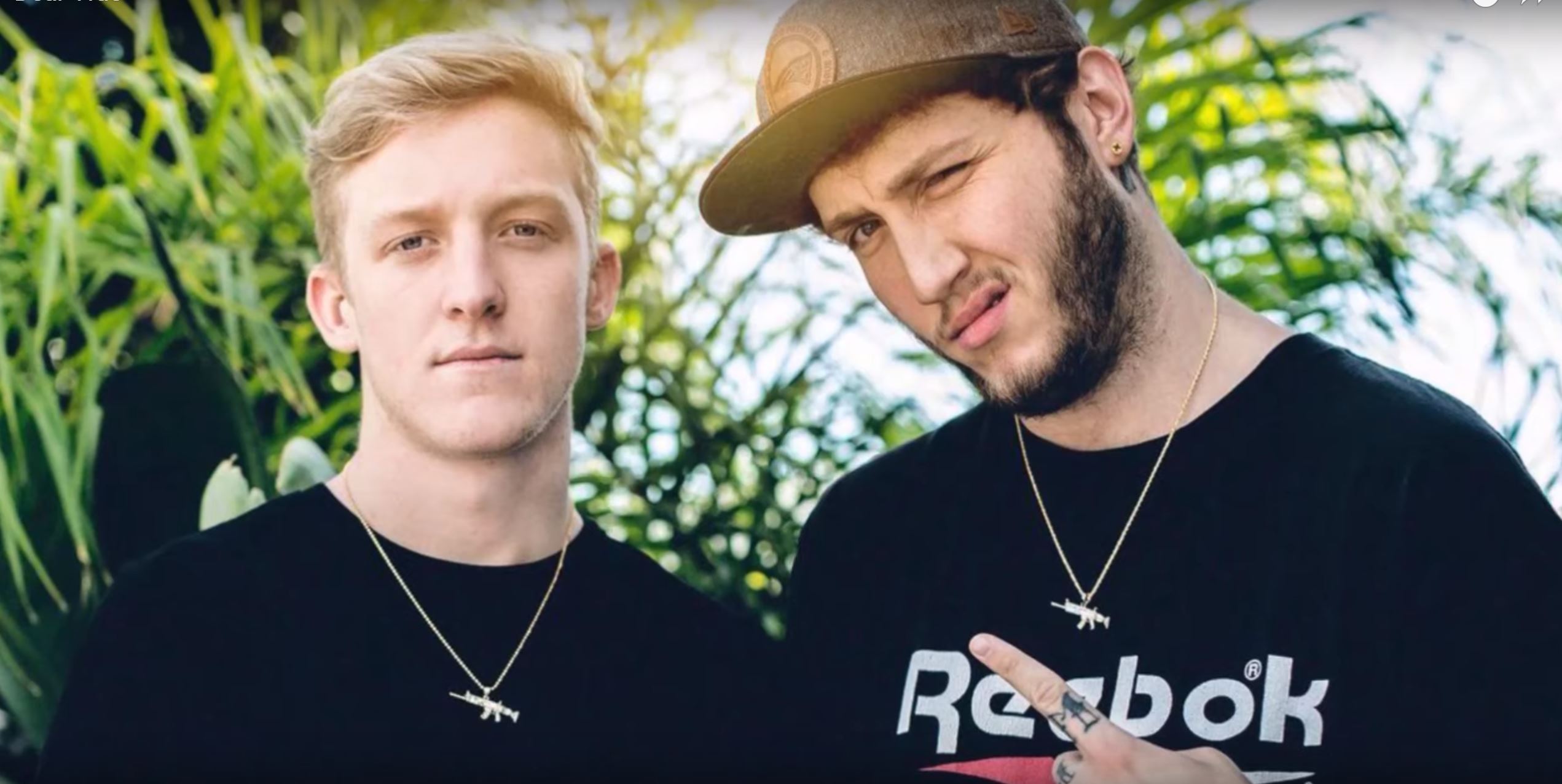
This is Banks: FaZe Banks (28) is one of the owners of FaZe Clan and a YouTuber with 5.37 million followers. He has been involved in Esports for many years and has enormous influence. The “FaZe Clan” is considered one of the most important Esports organizations in the world. The organization recognized the potential in channels like YouTube early on and consistently turned it into a business. Today, they not only have Esports athletes under contract but also professional content creators, especially on YouTube.
For instance, it was FaZe Banks who early on recognized the potential in today’s Twitch superstar Turner “Tfue” Tenney and recruited him for the FaZe Clan. However, this relationship later fell apart: Tfue even sued the FaZe Clan, claiming they made him sign a restrictive contract with terrible conditions.
Despite his enormous influence, FaZe Banks is not a cool business type but is often involved in strange situations. He was accused of trashing a hotel room in Las Vegas. Damages worth $30,000 were incurred. (via dexerto)
Lucrative Skin Betting for CS:GO
This is what Banks says: In a podcast (via youtube), Banks explains that he and his clan entered the lucrative field of “skin betting” in CS:GO a few years ago.
Since skins themselves do not have any material value in the real world, this operated in a legal gray area.
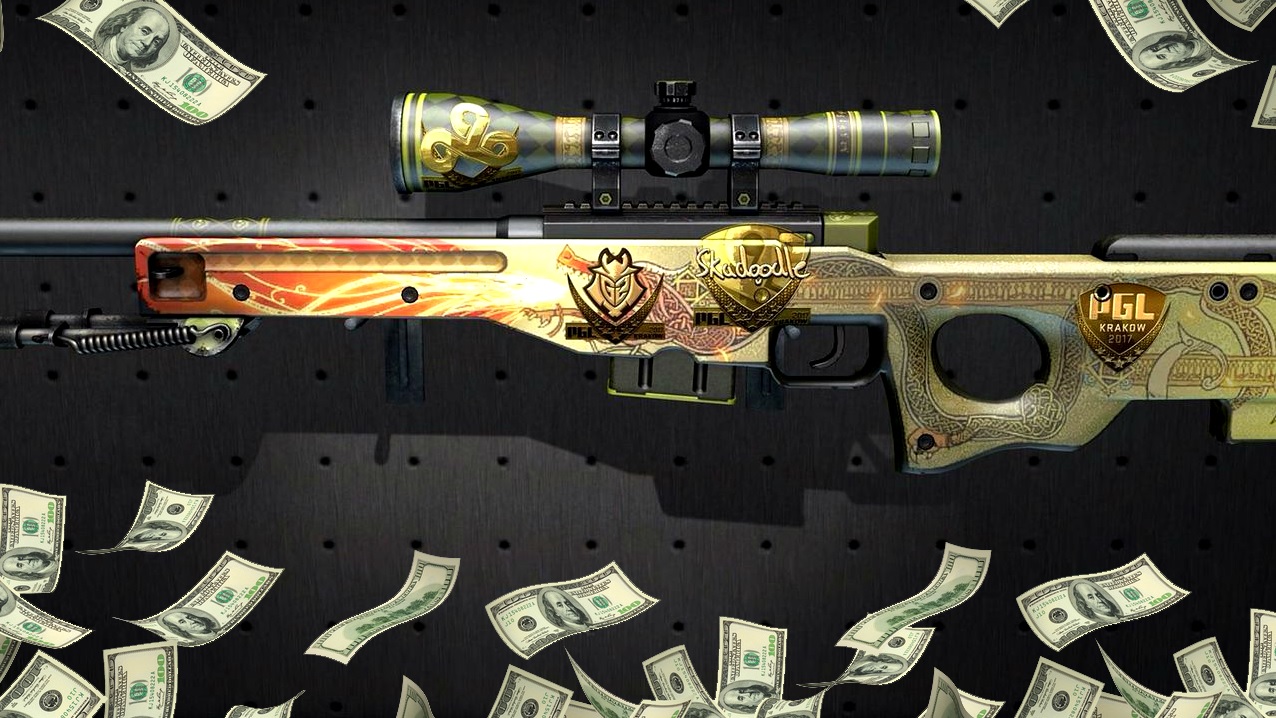
The idea emerged to set up a gambling site with FaZe Clan to raise enough money to buy a CS:GO team, which would have cost about one million dollars.
Banks says they flew to Antigua for this:
„This is an island in the Caribbean where it is legal to run a betting site as long as you have the permit and the necessary stuff. So we flew there privately, sat down with the guy in charge on the island, and basically paid him $100,000 and he gave us the license.”
FaZe Banks in a podcast
Banks says the site generated about $200,000 a day. After a few months, they shut the site down. According to Banks, they were one of the few organizations that did it “legally.” Even today, organizations still earn money in this way.
FaZe Banks does not disclose the name of the website.
Conflict of Interest and Fraud Allegations
Here’s why it’s sensitive: What Banks casually shares here was a case around 2016 that some wanted to uncover. Because gambling is a sensitive issue with CS:GO – often interests mix and questions arise:
- Is everything really above board with such sites?
- Are the gambling methods possibly manipulated?
- Are content creators promoting such sites involved in the financial success of the site themselves and are they transparent about it?
The YouTuber Jake Lucky posted screenshots on Twitter showing how four members of the FaZe Clan promoted the site “CS:GO Wild” in videos in 2015 and 2016: They made a lot of money there. The videos garnered up to 4.3 million views.
It is suspected that CS:GO Wild is the website Banks operated.
The sensitive part is that FaZe Clan operated a website without publicly admitting it and promoted it through their YouTubers.
The people investigating this said that the FaZe Clan had denied everything back then. What reporters have known for years is now public. But no one will care that they lied back then.
This is the player reaction: On Reddit, users are discussing FaZe Banks’ statements. They are surprised that he so openly admits what had previously been suspected but not proven:
- One user says: If I were his lawyer, I would advise him not to speak so openly about it. What is he thinking?
- Another calls FaZe Banks a “ticking time bomb for a lawsuit”
- Others, however, say: Nothing will happen to Banks after all.
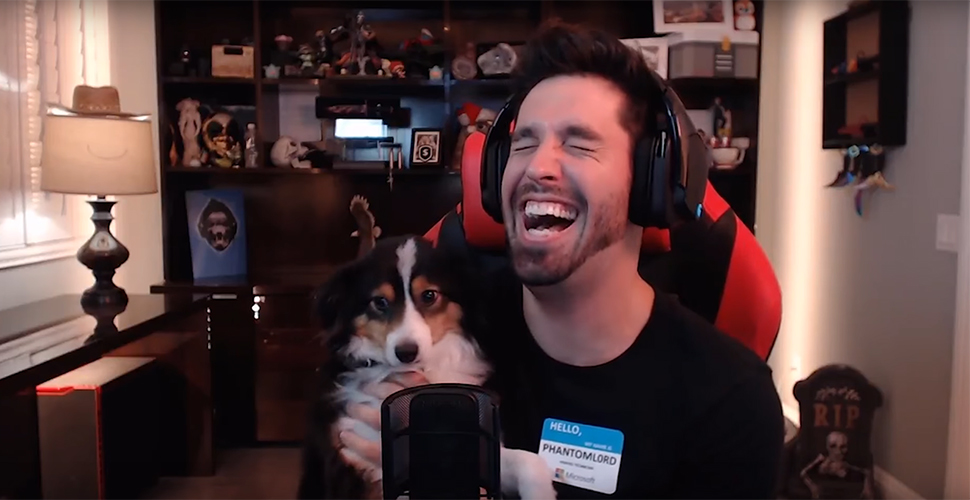
A Twitch streamer brought down by CS:GO betting was James “Phantoml0rd” Varga, a well-known former LoL streamer and former star of Twitch, who was banned from the platform in 2016.
Since then, Phantoml0rd has been suing Twitch claiming to have been treated unfairly.

Your opinion is important to us!
Do you like the article? Then let us know!